


Ghaf Tree
AED 65 – AED 700Price range: AED 65 through AED 700
Ghaf Tree | The National Tree and a Symbol of Sustainability in the UAE
is considered Ghaf Tree It is one of the UAE’s native desert trees and holds an important place in the country’s natural heritage and national identity. It is well adapted to hot and dry climatic conditions, making it a suitable choice for gardens, farms, and tree-planting projects.The tree combines aesthetic and environmental value; its canopy provides shade, while its roots help stabilize the soil and support its structure. The Ghaf Tree is scientifically known as Prosopis cinerariaand is closely associated with sustainability and the deep-rooted desert environment of the UAE.Ghaf Tree Specifications and Features
The Ghaf Tree has a range of natural characteristics that help it adapt to desert environments, including:- Deep Roots: Help the tree reach water available in deeper layers of the soil.
- Climate Tolerance: It can adapt to high temperatures and drought and tolerate certain levels of soil salinity.
- Feathery Green Leaves: Give the tree a distinctive natural appearance.
- Wide Canopy: Provides shade and adds aesthetic appeal to outdoor spaces.
- Notable Height: It can reach approximately 10–15 meters in height under suitable conditions.
- Small Flowers: Produces cream-colored flowers during the flowering season, which may attract bees and some beneficial insects.
- Soil Support: Its roots help stabilize the soil and reduce erosion.
Environmental and Aesthetic Uses
Ghaf Trees are used in a variety of spaces and projects due to their natural characteristics and strong connection to the local environment. Common uses include:- Providing shade in gardens, farms, and along roadsides.
- Supporting wildlife by providing shelter for some birds and other creatures.
- Contributing to tree-planting and environmental sustainability projects.
- Enhancing outdoor spaces and urban landscaping.
- Being incorporated into projects that highlight the UAE’s environmental and cultural heritage.
Why Choose a Ghaf Tree for Gardens and Farms?
If you are looking for a native tree that combines a natural appearance with the ability to adapt to hot climatic conditions, the Ghaf Tree can be a suitable choice for outdoor spaces where appropriate growing conditions are available. Its key benefits include:- A wide canopy that helps provide shade.
- Good adaptability to desert conditions.
- Environmental value through soil stabilization and support for biodiversity.
- A strong connection to the UAE’s natural and cultural heritage.
- An authentic appearance that adds a local character to gardens and farms.
Caring for the Ghaf Tree
To support healthy growth, it is recommended to consider the tree’s basic needs according to the site conditions and stage of growth:- Watering: Young trees need regular watering during the establishment stage, with the amount and frequency adjusted according to the weather and soil conditions. Once established, watering can be reduced based on the tree’s actual needs.
- Soil: Well-drained soil is preferred. The tree can adapt to different soil types, including certain soils with higher levels of salinity.
- Sunlight: It grows well in sunny locations that receive direct sunlight.
- Pruning: Light pruning can be carried out when needed to remove dry branches or shape the canopy, while taking the appropriate timing and tree condition into consideration.
Ghaf Tree: A UAE Symbol of Sustainability
The Ghaf Tree represents an important part of the UAE’s desert environment and natural heritage. It combines the ability to adapt to challenging climatic conditions with the benefits of providing shade and supporting soil and wildlife. Thanks to these characteristics, it is a valuable addition to gardens, farms, and tree-planting projects seeking to highlight the beauty of native trees and strengthen the UAE’s distinctive environmental character.Frequently Asked Questions (FAQs)
The Ghaf Tree is a native desert tree scientifically known as Prosopis cineraria. It is known for its ability to adapt to hot and dry conditions and is closely associated with the UAE’s natural heritage and national identi
Yes, it is suitable for growing in the UAE when provided with appropriate growing conditions. It is also known for its ability to tolerate heat, drought, and certain levels of soil salinity.
It can reach a height of approximately 10–15 meters under suitable growing conditions.
It can be grown in gardens, farms, and outdoor spaces, and is also used in tree-planting and landscaping projects that suit its natural requirements
It is distinguished by its deep roots, wide canopy that provides shade, feathery green leaves, and ability to adapt to desert conditions, along with its environmental and heritage value.
Related products
Emirati Sidr
السدر الاماراتي من الأشجار المحلية الأصيلة التي تتمتع بمكانة مميزة في البيئة والتراث الإماراتي، ويُعرف بقوة نموه وقدرته الجيدة على
Local Samar Tree
شجرة السمر المحلي | شجرة إماراتية أصيلة تتحمل المناخ الصحراوي تُعد شجرة السمر المحلي من الأشجار الأصيلة المرتبطة بالبيئة الصحراوية
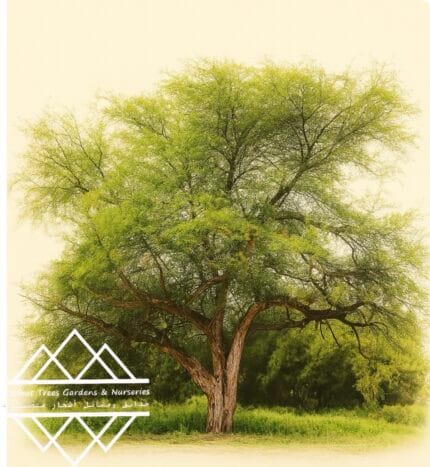
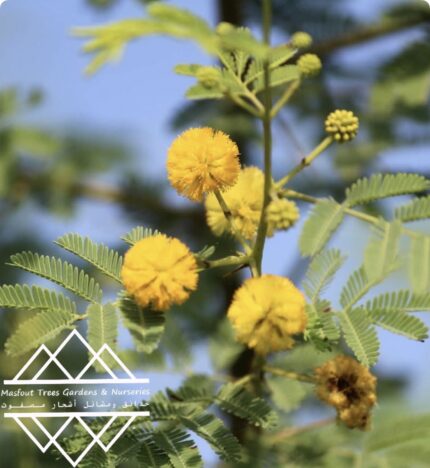
Qurṭ (Arabian Acacia)
شجرة القرط (الطلح العربي) | شجرة تراثية وظل مميزة في الإمارات شجرة القرط، المعروفة أيضًا باسم الطلح العربي، من الأشجار
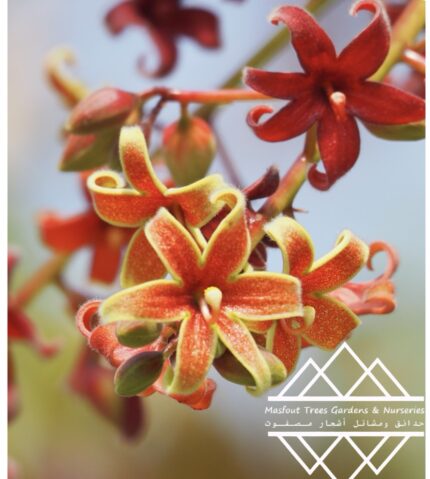

Salma Palm Tree
شجرة كف سلمى – Sterculia quinqueloba | شجرة ظل مميزة في الإمارات تُعد شجرة كف سلمى (Sterculia quinqueloba) من الأشجار
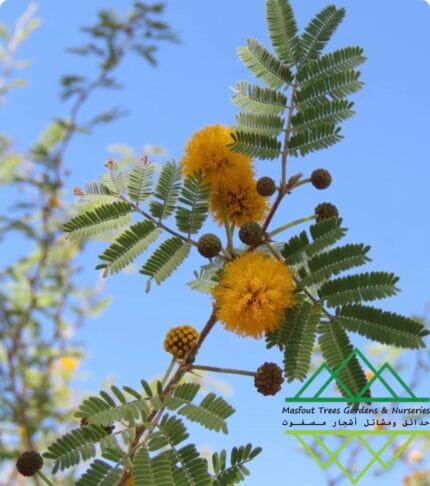

Amber Talh or Al-Fitnah
طلح العنبر (الفتنة) من الأشجار العطرية المميزة التي تتأقلم مع الأجواء الحارة والظروف الصحراوية، وتتميز بأزهارها الصفراء الكروية ذات الرائحة
