Egyptian Zebda Mango: Appearance, Flavor, Characteristics, and Fruiting Season
Egyptian Zebda mango is one of the well-known local mango varieties in Egypt. It is characterized by its relatively large fruits, rich flesh texture, and naturally sweet flavor. It is popular among mango enthusiasts and fruit growers, particularly those interested in varieties suitable for fresh consumption, juice preparation, and other food products.
The Zebda mango tree is known for its vigorous growth and large size. Fruit characteristics and ripening time may vary depending on the growing region and agricultural conditions. Understanding the characteristics of Egyptian Zebda mango can help growers select suitable seedlings and identify the tree's requirements before planting.
1. What Is Egyptian Zebda Mango? Key Characteristics of the Variety
Zebda mango is a well-known Egyptian local variety. Its trees are characterized by vigorous growth and relatively large size, as well as good cold tolerance compared with some other mango varieties.
Some of the main characteristics of the Zebda mango tree include:
A strong-growing tree with a relatively large size.
Noticeable vegetative growth.
Young leaves that tend to have a reddish-brown color.
Good production potential under suitable growing conditions.
Alternate bearing, which may cause differences in fruit production between seasons.
Tree size and growth characteristics vary depending on soil type, irrigation practices, and pruning methods. Therefore, sufficient space should be provided when planting Zebda mango trees in gardens and farms.
2. Egyptian Zebda Mango Appearance and Fruit Size
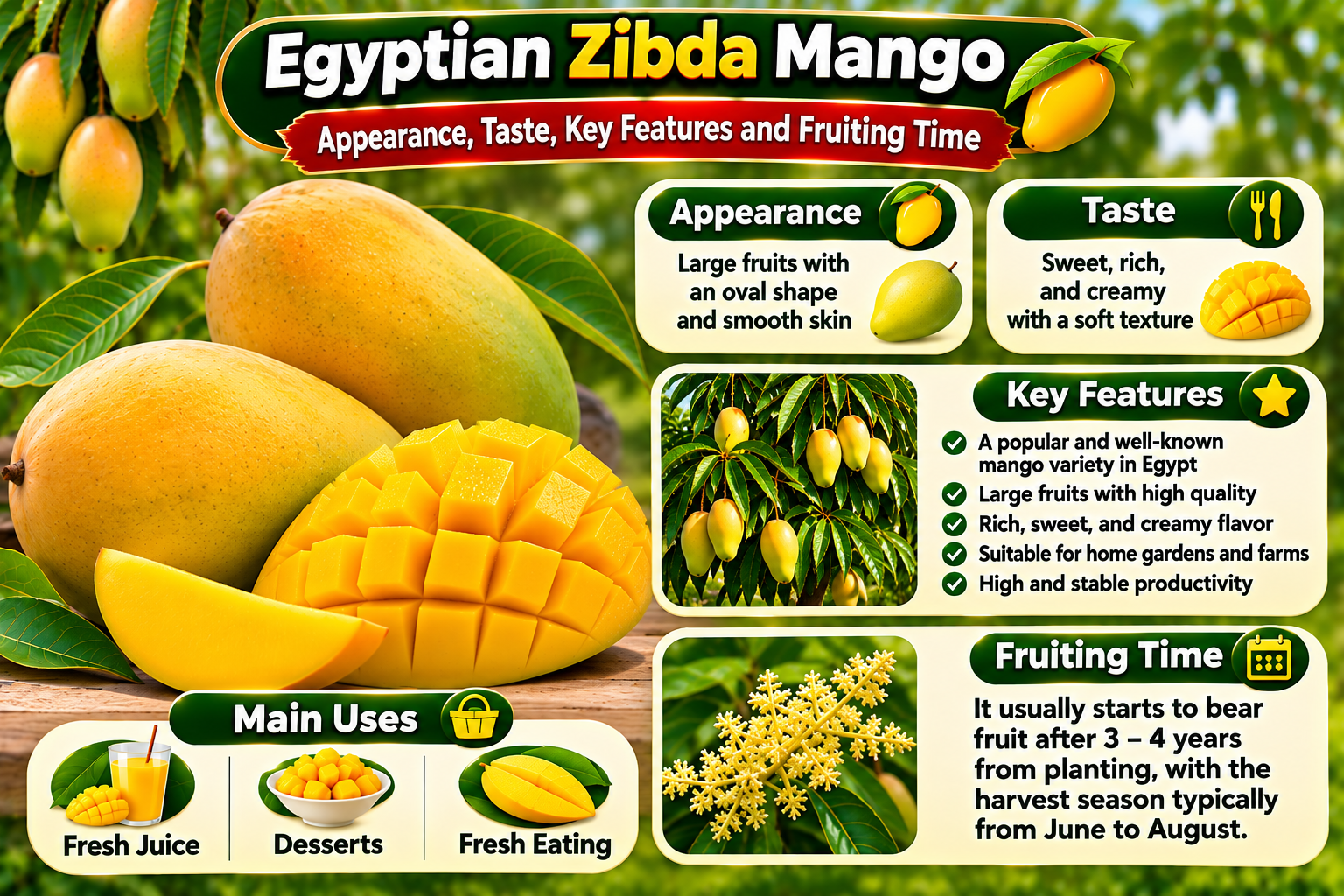
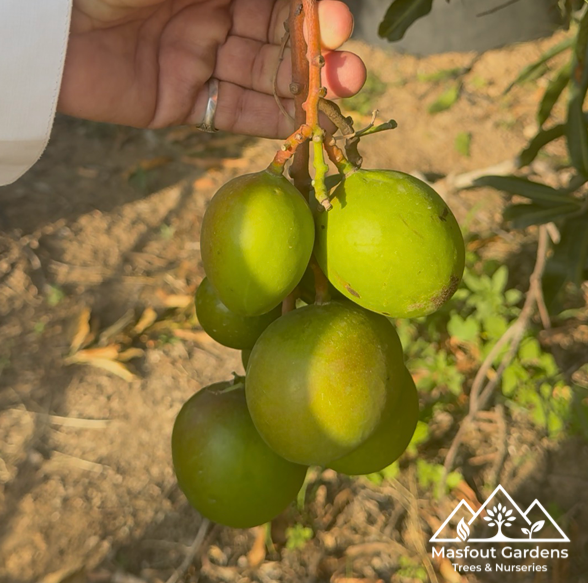
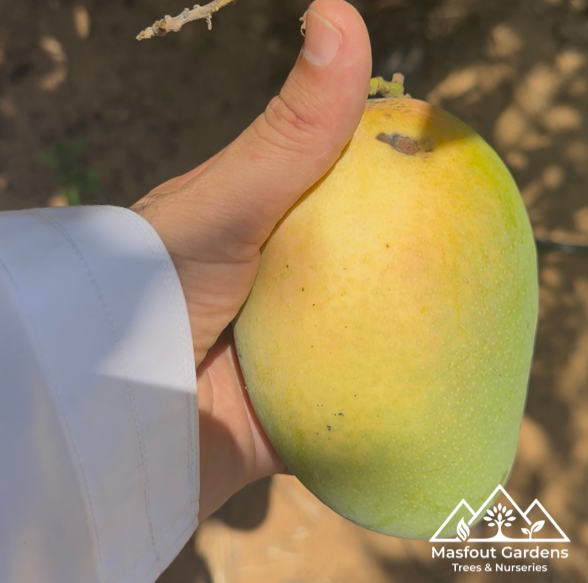
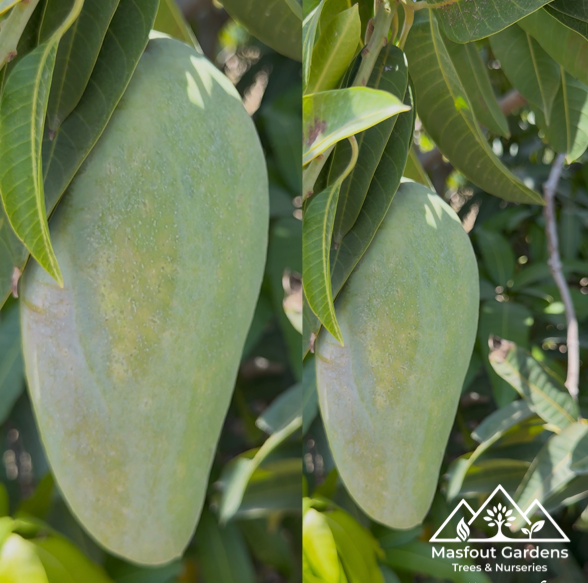
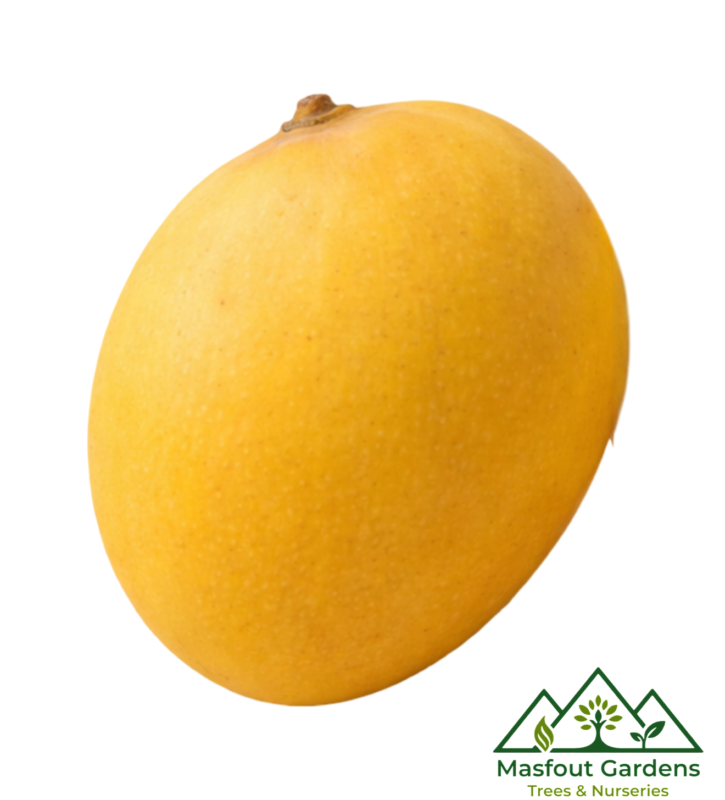
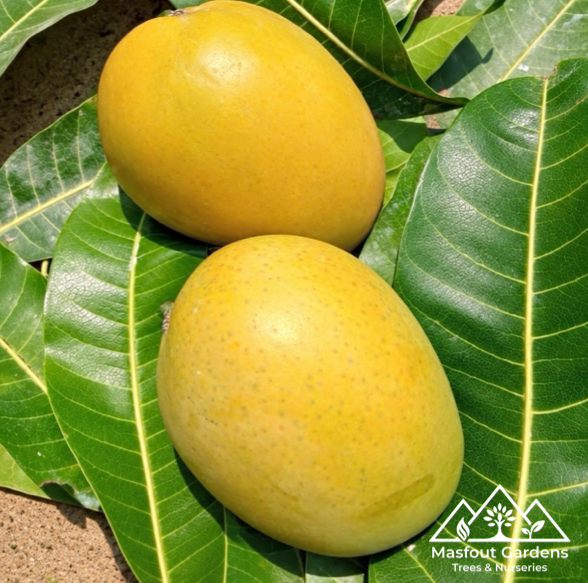
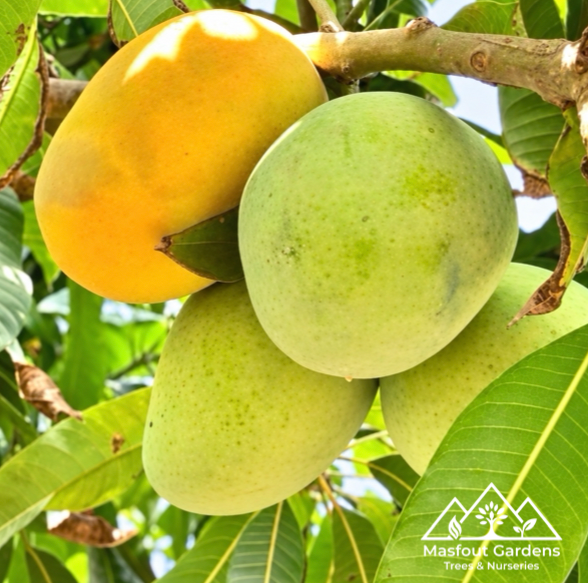
Fruit appearance is one of the distinctive characteristics of Egyptian Zebda mango. Its fruits are relatively large, with a broad oval shape that tends toward roundness and may appear slightly flattened.
Some of the main fruit characteristics include:
Shape: Broad oval, slightly flattened.
Size: Relatively large, with some agricultural descriptions reporting weights of approximately 500–750 grams.
Skin color: Dark green, which may turn yellow or greenish-yellow as the fruit ripens.
Skin texture: Relatively smooth and thick.
Flesh color: Yellow to orange.
The flesh contains some coarse and soft fibers near the skin, while the inner portion generally has a smoother texture.
Understanding these characteristics helps distinguish Zebda mango from other Egyptian mango varieties.
3. Egyptian Zebda Mango Flavor and Flesh Texture
Egyptian Zebda mango is known for its sweet, rich flavor and distinctive fruity aroma. Its flesh has a relatively buttery texture, with some fibers located near the skin.
Zebda mango fruits are used to prepare juices and various food products. They can also be enjoyed fresh, depending on consumer preferences and the fruit's ripeness.
Some of the main flesh characteristics include:
A sweet and distinctive flavor.
Yellow to orange flesh color.
Relatively smooth texture in the inner portion.
Some fibers near the skin.
A good flesh proportion relative to fruit size.
Understanding the flavor and flesh texture of Zebda mango makes it easier to compare this variety with other Egyptian mango varieties and identify its potential uses.
4. Egyptian Zebda Mango Fruiting Age and Fruit Ripening Season
The time required for a mango tree to produce fruit varies depending on its age, propagation method, variety, climatic conditions, and level of care. Regarding the ripening season, Egyptian Zebda mango is generally classified as a relatively late-season variety.
Its fruits usually ripen and are harvested during September and October, although the exact timing may vary depending on the growing region and local conditions.
It is important to distinguish between the age at which a tree starts producing fruit after planting and its annual fruit ripening season. The former depends on seedling age and propagation method, while the latter is influenced by the variety and local climate.
Zebda mango trees may also exhibit alternate bearing, meaning that fruit production can be higher in one year and lower in the following year.
Monitoring tree health and maintaining appropriate irrigation, nutrition, and pruning practices can help support healthy growth and good fruit production.
5. Growing Egyptian Zebda Mango and Caring for the Tree
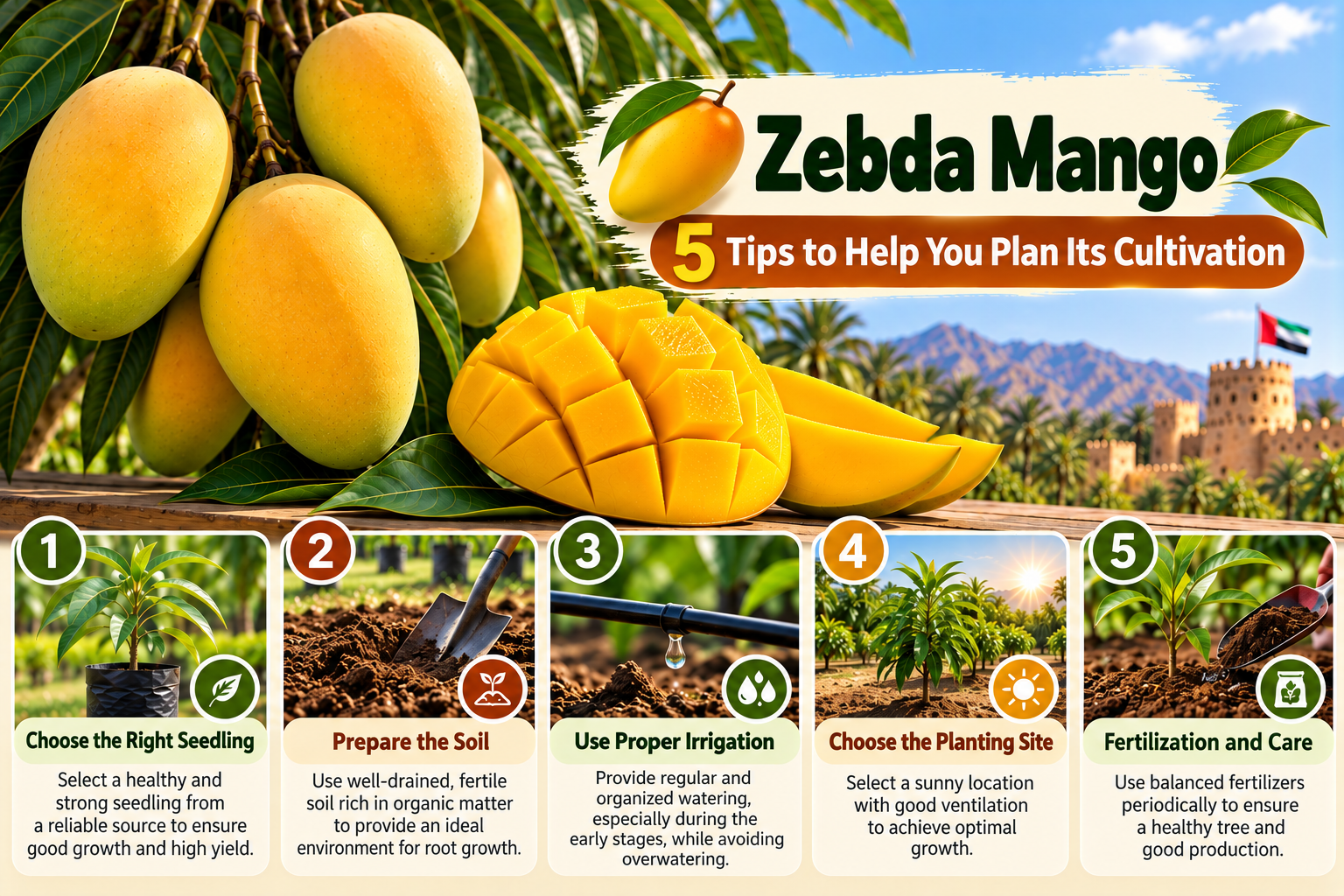
Egyptian Zebda mango requires suitable growing conditions to support healthy development and fruit production.
Some important planting and care requirements include:
Location: Choose a sunny location with sufficient space for the tree to grow.
Soil: Provide well-drained soil that supports healthy root development.
Watering: Adjust irrigation according to tree age, soil type, and climatic conditions.
Fertilization: Follow a balanced fertilization program suitable for the tree's age and growth stage.
Pruning: Remove dry and overlapping branches when necessary and maintain a suitable canopy structure.
Pest monitoring: Regularly inspect leaves, branches, and fruit to identify possible infestations early.
When growing Zebda mango in the UAE, consider high temperatures, irrigation water quality, and soil salinity. Choosing healthy seedlings from a reliable supplier is also important.
It is advisable to consider the tree's expected size at maturity before determining planting distances, as this variety is known for its vigorous growth and relatively large canopy.
Conclusion
Egyptian Zebda mango is distinguished by its relatively large fruits, yellow-orange flesh, sweet and rich flavor, and characteristic buttery texture. These qualities make it a recognized local variety with various fresh consumption and food preparation uses.
The fruits generally ripen during September and October, although the timing varies according to the growing region and agricultural conditions. The tree is also characterized by vigorous growth and a relatively large size, while fruit production may vary between seasons due to alternate bearing.
Understanding Zebda mango's appearance, flavor, and growing requirements can help you select suitable seedlings and provide the right conditions for healthy tree development and fruit production.