Kenyan Ghazal Mango Ripening and Harvest Season: 5 Important Facts About Harvest Time
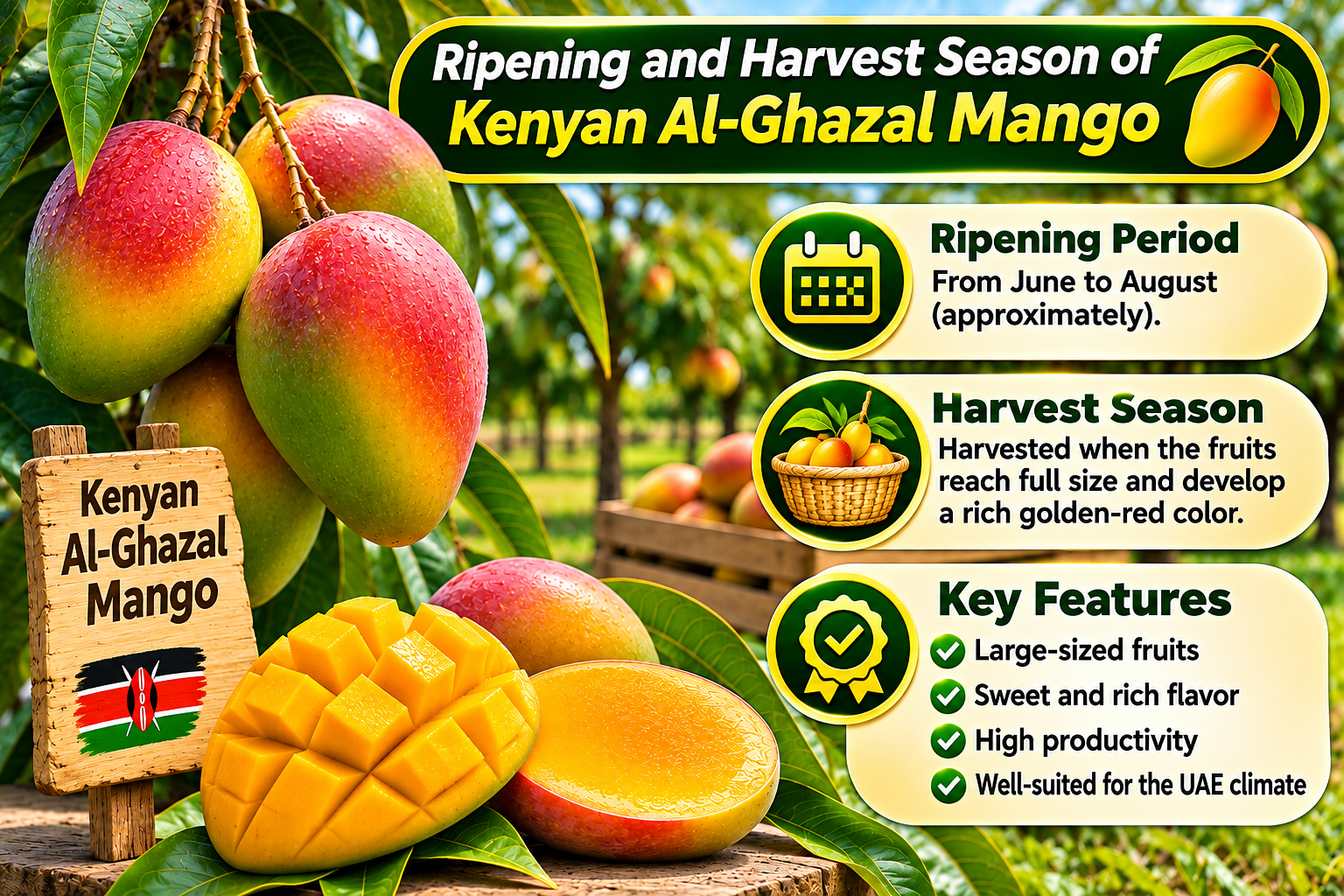
The Kenyan Ghazal mango ripening and harvest season is an important topic for mango enthusiasts and growers interested in cultivating this variety in the UAE. Understanding the stages of fruit development and the factors that influence ripening helps determine the appropriate harvest time and maintain fruit quality.
Ripening and harvest dates vary depending on the growing location, climatic conditions, and tree care. It is therefore important to distinguish between the general mango production season in Kenya and the fruiting and harvest schedule of trees grown in the UAE.
1. When Does the Kenyan Ghazal Mango Ripening and Harvest Season Begin?
Mango harvest dates in Kenya vary from one region to another. In general, the main mango production season in several Kenyan growing areas extends from October to March, while some coastal areas have a shorter additional season from May to July.
However, these dates refer to general mango production seasons in Kenya and do not establish a specific harvest schedule for the Kenyan Ghazal variety. Harvest timing may also change depending on rainfall and local climatic conditions.
2. What Are the Ripening Stages of Kenyan Ghazal Mango?
Mango fruits pass through several stages before reaching the appropriate maturity for harvesting. These include:
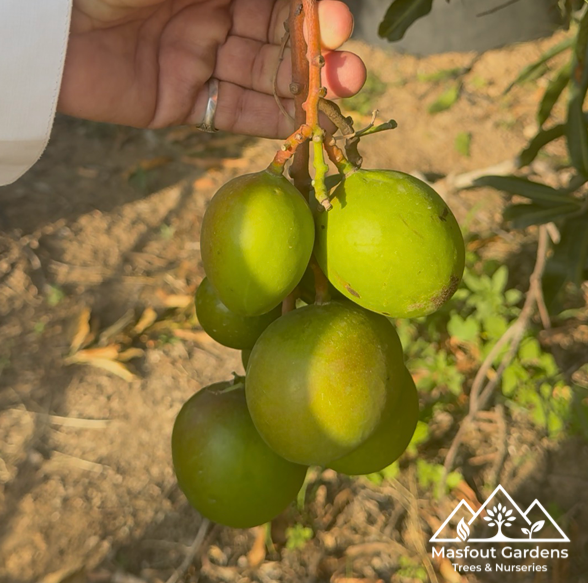
Fruit formation: Begins after successful pollination and fruit set, when the fruits are still small.
Fruit development: The fruit gradually increases in size as the flesh and seed develop.
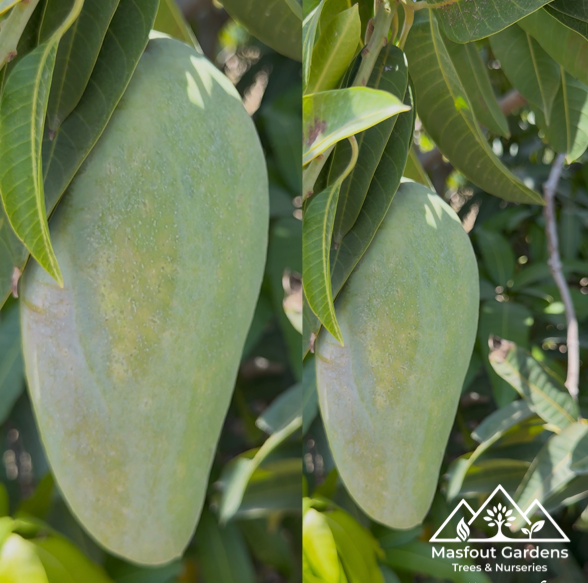
Maturity: The fruit reaches its expected size and begins to show changes in its characteristics.
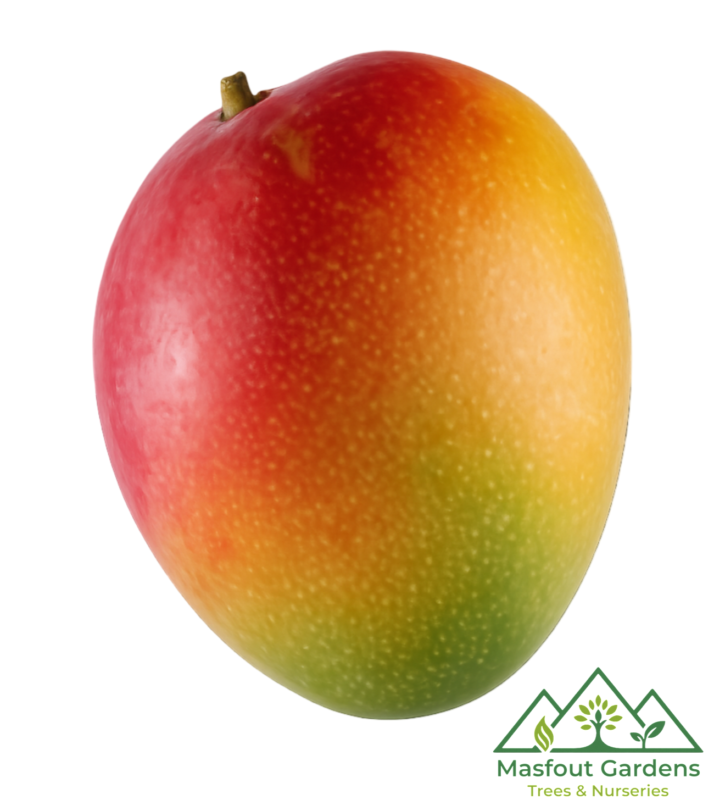
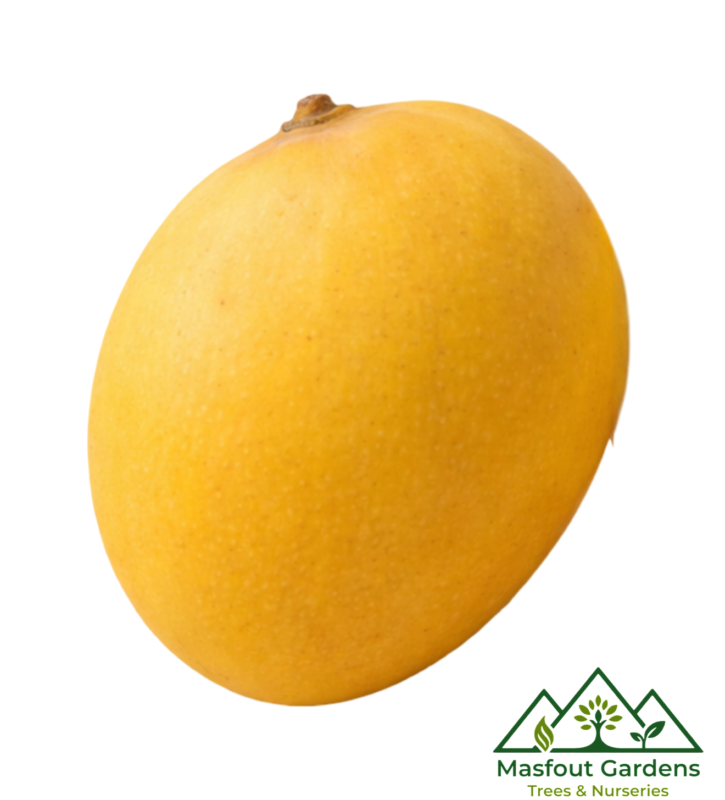
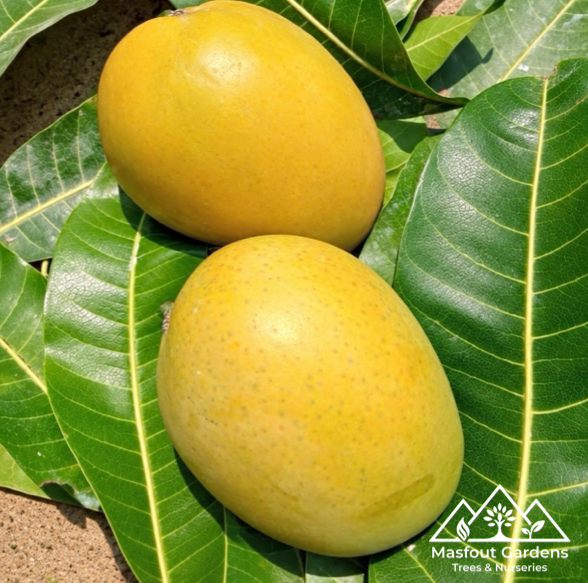
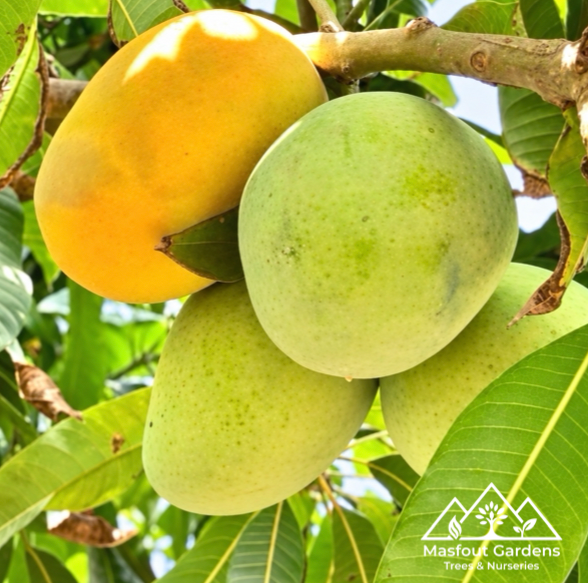
Ripening: The fruit develops changes in skin color, aroma, and texture according to its variety.
Monitoring these stages helps growers estimate harvest time rather than relying on calendar dates alone.
3. How Can You Tell When Kenyan Ghazal Mango Fruits Are Ready for Harvest?
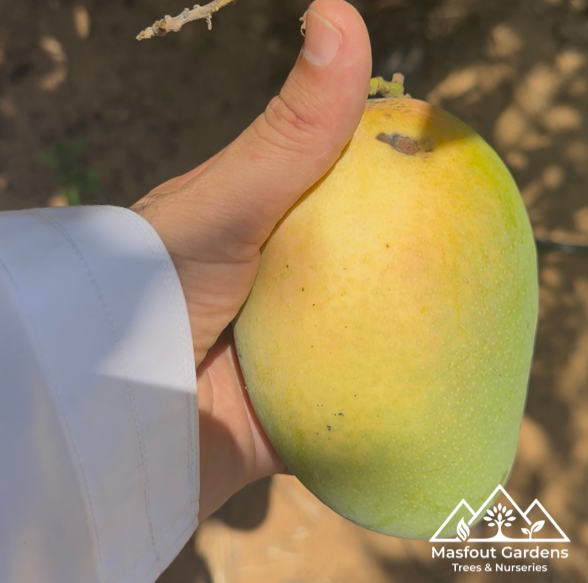
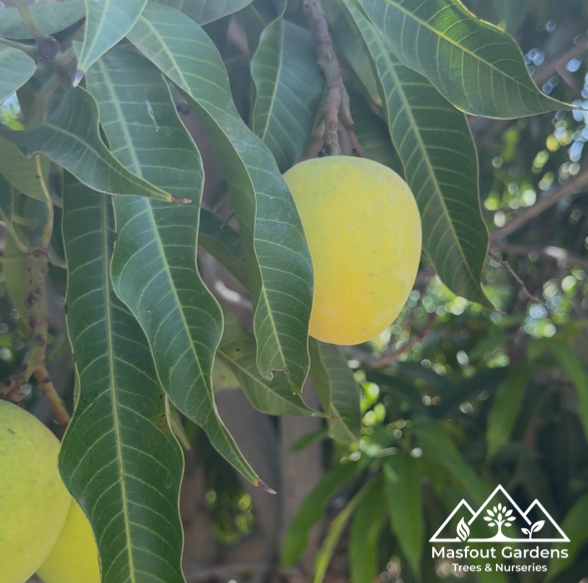
Skin color alone is not always a reliable indicator of mango maturity, as fruit colors differ between varieties. Other signs to monitor include:
The fruit reaches its expected size and shape.
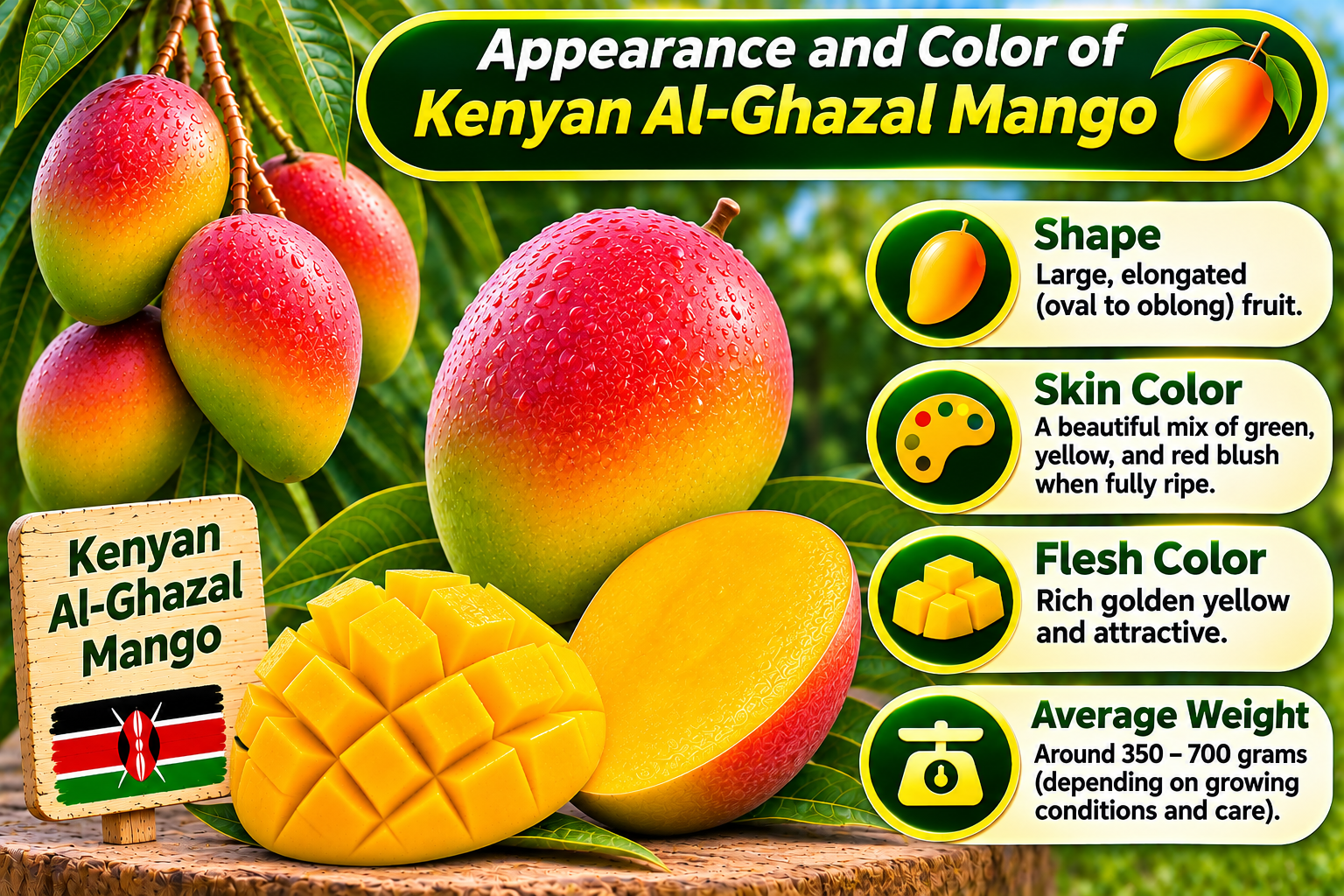
The skin develops color changes associated with the variety.
The fruit's aroma develops as it approaches ripeness.
The fruit becomes easier to separate when it reaches the appropriate maturity stage.
It is advisable to confirm the specific maturity indicators of Kenyan Ghazal mango with the supplier or an agricultural specialist, especially when growing this variety for the first time.
4. What Factors Affect the Kenyan Ghazal Mango Harvest Season?
The Kenyan Ghazal mango ripening and harvest season is influenced by several factors, including:
Geographical location: Flowering and harvesting dates vary between growing regions.
Rainfall: Rainfall patterns influence flowering and fruit development.
Temperature: Temperature conditions affect tree growth and fruit development.
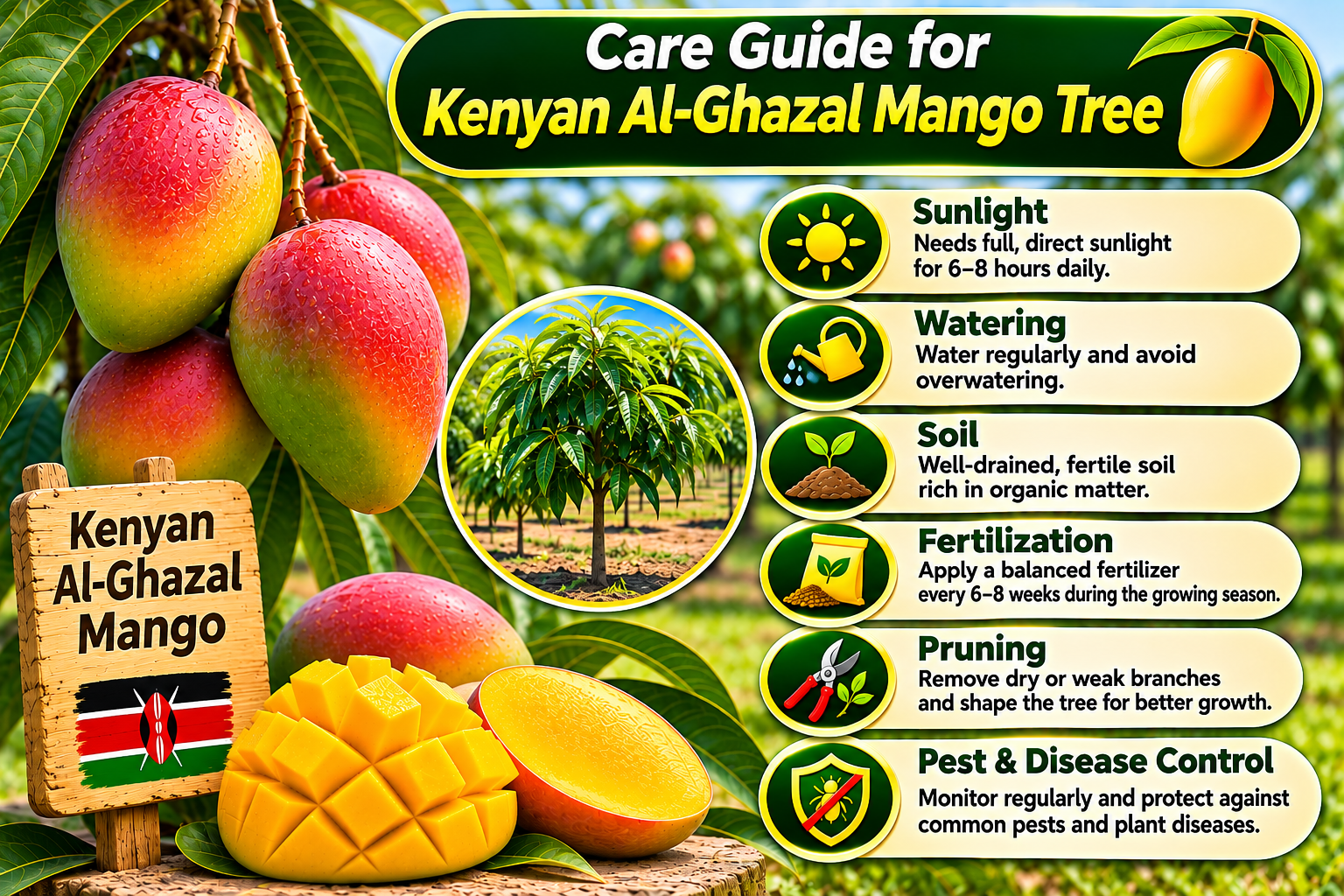
Irrigation and nutrition: Appropriate care supports healthy tree and fruit growth.
Variety characteristics: Mango varieties differ in fruit development periods and ripening times.
Research on mango production in Kenya highlights seasonal differences between growing regions. Climate variations may also influence harvest schedules.
5. How Are Kenyan Ghazal Mango Fruits Harvested and Their Quality Maintained?
Fruits should be harvested when they have completed their development and reached the appropriate maturity stage. Handle them carefully to avoid bruising and scratches that may affect their quality during transportation and storage.
Important post-harvest guidelines include:
Use suitable tools to pick fruits without damaging branches.
Avoid dropping fruits or stacking them in a way that causes pressure.
Sort the fruits and remove damaged ones.
Place fruits in clean, suitable containers for transportation.
Store them under conditions appropriate for their maturity and intended storage period.
Conclusion
The Kenyan Ghazal mango ripening and harvest season depends on the growing location, climatic conditions, and stage of fruit development. October to March is a main mango production season in several Kenyan regions, with an additional coastal season. However, these dates should not be treated as confirmed harvest dates for this specific variety or for trees grown in the UAE.
Monitoring fruit development, checking maturity indicators, and handling fruits carefully during harvesting can help maintain their quality. Growers are advised to ask the nursery about the expected fruiting and harvest schedule under local growing conditions.
Further Reading: