Protecting Mango Seedlings from Winter Cold in the UAE
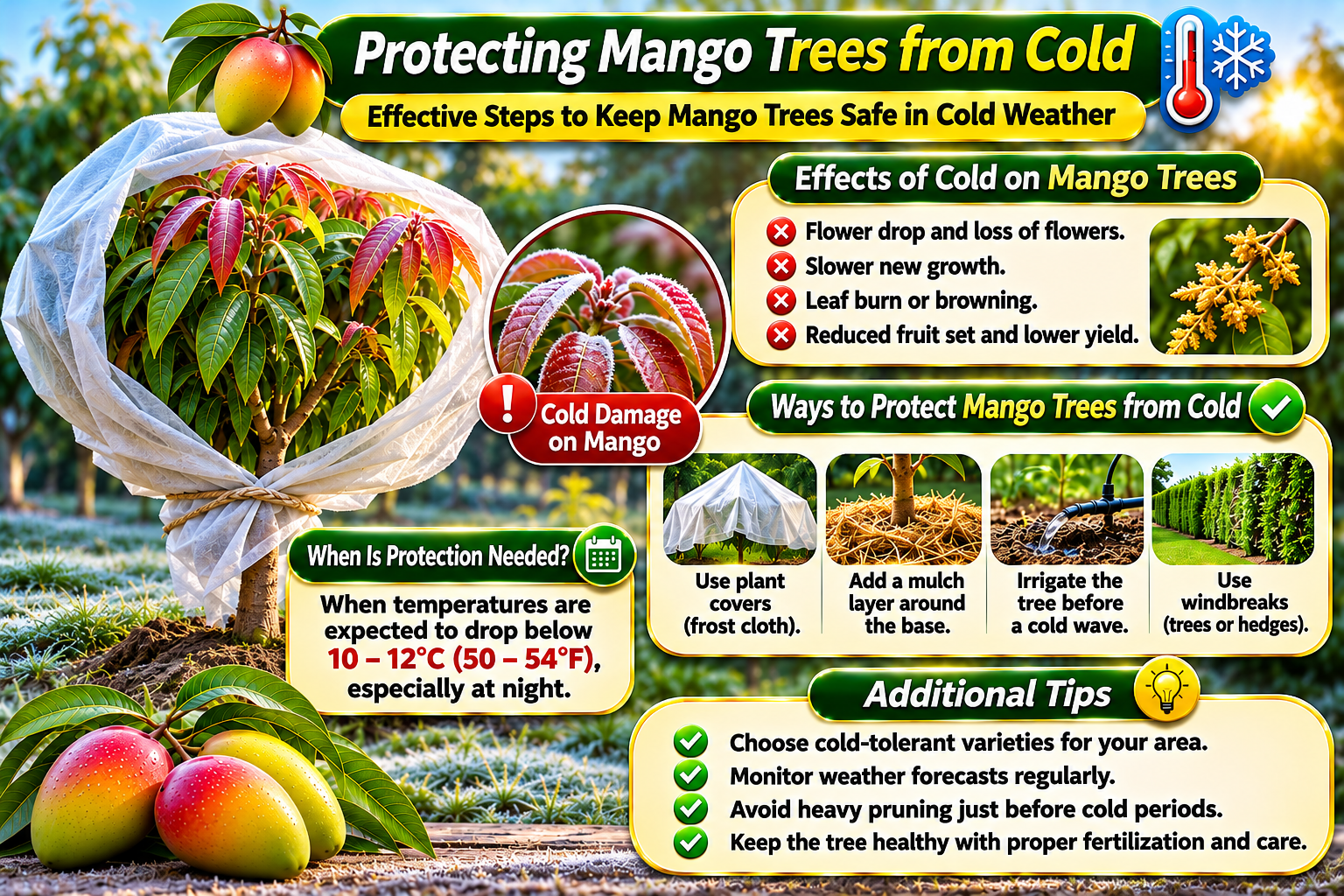
Mango seedlings need special care during winter, particularly when cold spells or noticeable drops in nighttime temperatures are expected. Protecting mango trees from cold is an important step in maintaining young seedlings and reducing the risk of damage to newly developed leaves and branches.
Weather conditions vary across the UAE, and seedlings are also affected by their age, planting location, and exposure to wind. Therefore, protecting mango trees from cold involves more than simply covering the seedling. It also includes preparing for cold spells, choosing suitable covering materials, and monitoring the plant after the cold weather has passed.
Why Do Mango Seedlings Need Protection from Cold?
Mango trees are tropical plants that are sensitive to low temperatures, and young seedlings are generally more vulnerable than mature trees. Cold weather may affect newly developed leaves and growing tips. The severity of the damage depends on the temperature, how long the cold conditions last, and the surrounding environment.
Protecting mango trees from cold requires understanding the seedling's condition and planting location. Exposure to open areas, wind, plant age, and soil conditions can all influence the level of risk. Therefore, there is no single temperature threshold that applies to every mango variety and every region of the UAE.
How to Prepare for Mango Cold Protection Before a Cold Spell
Before temperatures are expected to drop, inspect the seedling and its planting location, and prepare suitable protection materials. Early preparation helps you protect mango trees from cold in an organized way rather than searching for quick solutions after temperatures have already fallen.
Key preparation steps include:
Monitor the weather forecast: Check the expected temperatures in your area during the night and early morning.
Assess the seedling's location: Check whether it is planted in an exposed area or directly exposed to wind.
Inspect the plant: Make sure the stem and leaves are healthy, with no broken or damaged parts.
Prepare the covering: Choose suitable horticultural fabric or another breathable covering material.
Prepare the supports: Use appropriate supports to prevent the covering from pressing against the leaves and branches.
Best Way to Cover Mango Seedlings in Winter
You can use breathable horticultural fabric or a clean, lightweight cloth suitable for plant protection. It is best to secure the covering over a simple frame around the seedling, leaving enough space so that it does not press against the leaves and branches.
When covering mango seedlings in winter, follow these steps:
Cover the seedling before the expected cold period begins.
Secure the covering properly to prevent the wind from moving it.
Leave enough space around the leaves and branches.
Avoid sealing the seedling tightly inside plastic.
Remove the covering or provide ventilation during the day when temperatures rise, depending on weather conditions.
Covering is an essential part of protecting mango trees from cold, but it is important to choose suitable material and avoid leaving it on the plant continuously without considering temperature changes throughout the day.
Sealed plastic coverings are not recommended because they can trap heat and moisture during the day. You should also avoid improvised heating methods or lighting any heat source near the plant.
Protecting Potted Mango Trees from Cold
Protecting a potted mango tree differs from protecting a seedling planted directly in the ground because the pot can be moved to a more sheltered location when a cold spell is expected.
If your mango seedling is growing in a pot, follow these steps:
Move the pot to a location that is as sheltered as possible from wind and cold.
Choose a covered area or a suitable spot near a wall, while ensuring adequate light and ventilation.
Make sure the pot has drainage holes to allow excess water to escape.
Monitor soil moisture and avoid keeping the soil waterlogged.
Avoid moving the seedling repeatedly between locations with significantly different conditions.
Moving the pot to a suitable location can reduce the seedling's exposure to harsh weather. This can complement other mango cold-protection measures, including the use of horticultural coverings.
For more information about growing mango trees in containers, see our Guide to Growing Mango Trees in Pots.
Should Watering and Fertilization Change During Winter Mango Care?
You should not automatically change the watering or fertilization schedule simply because winter has arrived. Check the soil moisture first, taking into account the seedling's condition, soil type, and drainage.
Avoid waterlogging the soil, especially when the weather is cold and the soil takes longer to dry. At the same time, do not leave the roots in dry soil for extended periods. As for fertilization, do not use it as a way to warm the plant or treat the effects of cold weather. Instead, determine whether fertilizer is needed based on the seedling's condition and actual requirements.
Protecting mango trees from cold means providing suitable growing conditions rather than adding random amounts of water or fertilizer. Monitor the soil and leaves before making any changes to your usual care routine.
How to Monitor a Mango Seedling After a Cold Spell
After a cold spell has passed, do not rush to remove parts that appear damaged or carry out heavy pruning. Begin by inspecting the seedling and recording any changes that appear over the following days. Monitoring the plant after cold weather is an important part of protecting mango trees from cold.
Follow these monitoring steps:
Inspect both new and older leaves for changes in color or signs of wilting.
Check branch tips and the main stem for visible signs of damage.
Check soil moisture and drainage around the roots.
Record the date of the cold spell and the conditions the seedling experienced.
Take photographs of affected areas so you can compare their condition during later inspections.
Not all signs of cold damage appear immediately after a cold spell ends. It is therefore better to continue monitoring the plant rather than making quick decisions about pruning or fertilization before assessing its condition.
Mistakes to Avoid When Protecting Mango Trees from Cold
Some unsuitable practices may increase the risk of problems instead of protecting the seedling. Here are some common mistakes to avoid:
Treating one temperature as a universal threshold for all mango varieties and regions of the UAE.
Leaving the covering on the seedling all day without considering rising daytime temperatures.
Using sealed plastic that prevents ventilation.
Tying the covering too tightly around branches and leaves.
Using improvised heating methods near the plant.
Increasing watering or fertilization without checking the seedling's actual needs.
Pruning damaged parts immediately after a cold spell without monitoring their condition first.
Avoiding these mistakes helps ensure that mango cold-protection measures are appropriate for the seedling's condition and allows you to monitor the plant without carrying out unnecessary procedures.
When Should You Consult an Agricultural Specialist?
If you notice persistent damage to the leaves or branches, or a clear decline in the seedling's condition after a cold spell, it is best to consult a specialist to assess the plant and determine the appropriate next steps.
Prepare the following information before seeking advice:
The seedling's age and variety, if known.
Whether it is planted in the ground or growing in a pot.
Its location and level of exposure to wind.
The temperatures it experienced and how long the cold conditions lasted, if this information is available.
Clear photographs of the leaves, stem, and damaged areas.
The type of covering used and the protection measures you applied.
This information can help with a more accurate assessment of the plant and determine whether additional measures are needed after applying mango cold-protection practices.
Conclusion
Protecting mango trees from cold begins with preparing before cold spells, monitoring weather forecasts, and choosing a suitable breathable covering. Potted seedlings can also be moved to a sheltered location. After the cold weather passes, inspect the leaves, branches, and soil, and record any changes before taking further action.
Paying attention to mango cold-protection methods and monitoring each seedling according to its location and age can help you make suitable care decisions throughout winter, without resorting to unnecessary measures that the tree may not need.
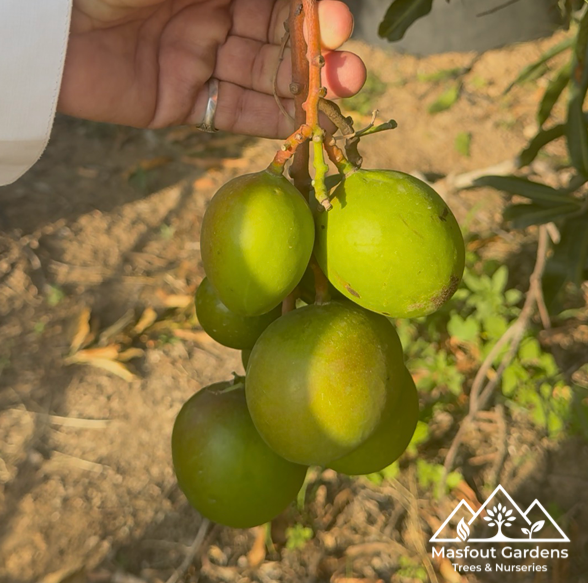
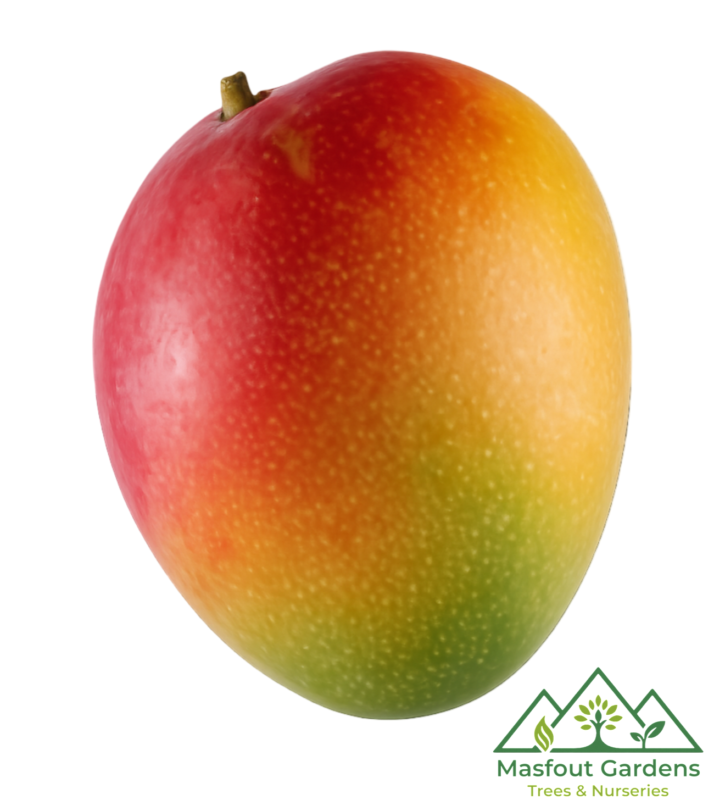
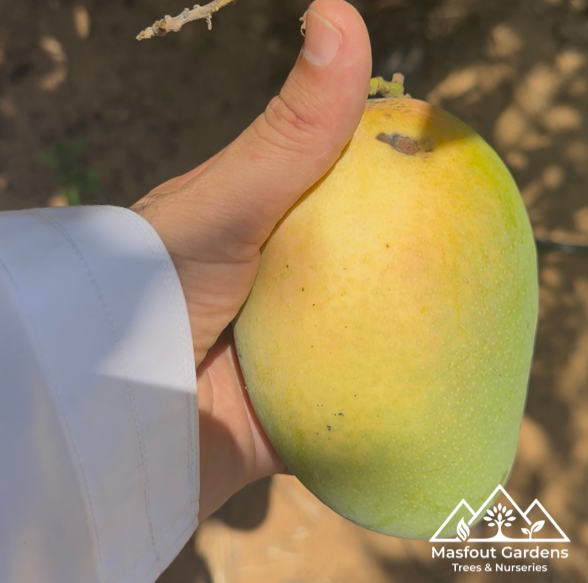
Planning to grow a mango tree in your garden? Browse the mango varieties available at Masfout Gardens, and ask about seedling specifications and planting-site requirements before placing your order.