Fruit Flies in Mangoes: Monitoring, Prevention, and When to Seek Expert Advice
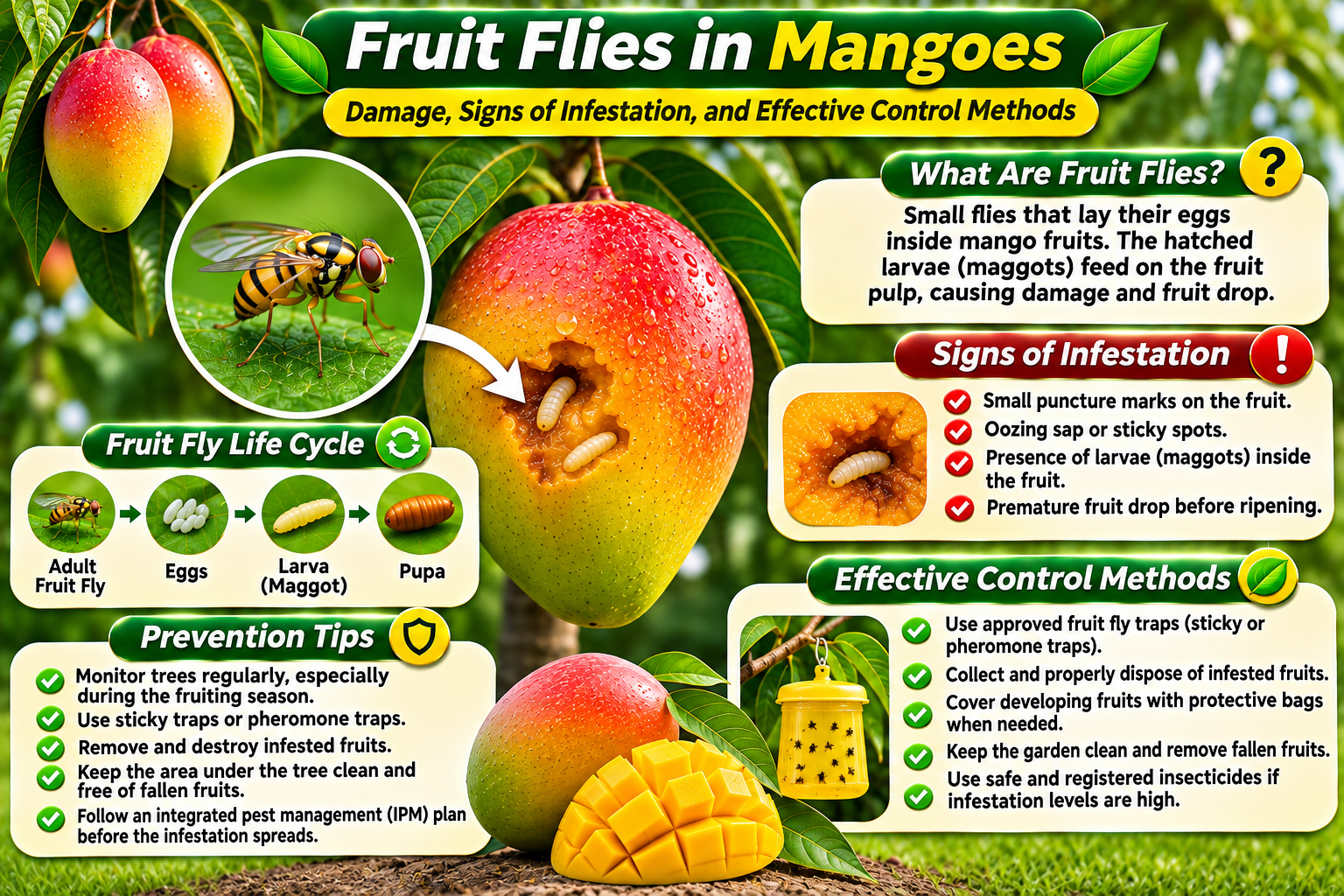
Fruit flies in mangoes are among the pests that require attention during fruit development and as mangoes approach maturity. Certain fruit fly species can damage mango fruits and reduce their quality. However, the appearance of spots or soft areas on the mango skin is not enough to confirm an infestation, as these symptoms may also result from other types of damage or problems associated with fruit ripening and growing conditions.
Managing fruit flies in mangoes therefore requires regular monitoring, careful documentation of symptoms, and professional diagnosis before taking any control measures. This approach helps assess the situation more accurately and prevents unconfirmed symptoms from being mistaken for an insect infestation.
1. Why Does Identifying Fruit Flies in Mangoes Require Professional Diagnosis?
Fruit flies include several species that differ in their host plants, behavior, and response to monitoring methods. Therefore, using the general term "fruit fly" does not necessarily identify the species present in an orchard.
In the UAE, the EPPO database records the presence of the peach fruit fly (Bactrocera zonata). Local agricultural references also associate this species with mango trees and other fruit crops. However, its presence in the country does not mean that every case of mango fruit damage is caused by this particular species. Identifying the pest at the affected site remains essential before choosing an appropriate management approach.
Accurate diagnosis helps distinguish insect damage from other causes of fruit deterioration and determines whether further monitoring or professional intervention is necessary.
2. What Signs Indicate That Mango Fruits Should Be Inspected?
Several indicators deserve attention when monitoring fruit flies in mangoes, particularly when they appear together or recur on multiple fruits. These may include:
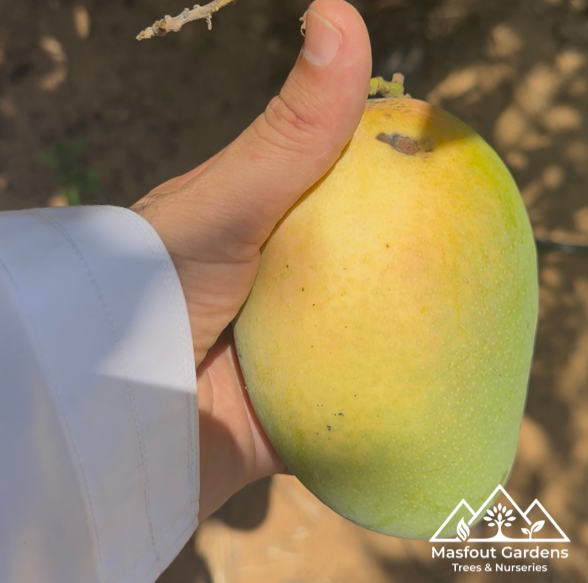
Small spots or unusual marks on the fruit surface.
Soft or discolored areas around a specific part of the skin.
Unusual secretions or changes on the fruit surface.
Signs of internal damage identified during an expert examination.
Premature fruit drop accompanied by other symptoms that require investigation.
These signs may indicate a problem, but they do not provide conclusive evidence of an infestation. Damaged mangoes can be affected by various factors, so the external appearance alone should not be used to identify the pest.
3. The Difference Between a Suspected and a Confirmed Infestation
It is important to distinguish between suspecting the presence of fruit flies in mangoes and confirming an infestation. Suspicion begins when unusual symptoms are observed on the fruit, while confirmation requires an appropriate examination to identify the nature of the damage and, where possible, the pest responsible.
Diagnosis may involve examining affected fruits, assessing internal and external symptoms, and inspecting the insect or its developmental stages if available. This examination is best carried out by an agricultural specialist or an accredited diagnostic authority, particularly when the pest's identity is unclear.
This distinction helps prevent the use of unsuitable control methods and avoids confusing fruit fly damage with other problems affecting mango fruits.
4. How to Document the Situation Through Photos and Observations
Regular documentation helps track changes over time and provides useful information for specialists. When fruit flies in mangoes are suspected, it is helpful to record the following:
The date when the symptoms were first noticed.
The location of the affected trees.
The fruit development stage and how close the mangoes are to maturity.
An approximate count of fruits showing similar symptoms.
The presence of fallen fruits or recurring damage in a particular area.
Take clear photographs of the fruit's exterior, along with a general photograph of the tree and its location in the orchard. If internal symptoms are observed, document them safely and leave their identification to a specialist. Avoid editing photographs or assigning names to insect species that have not been verified.
5. What Is the Role of Fruit Fly Traps in Mango Monitoring?
Traps are used in mango fruit fly monitoring programs to track the activity of certain insect species and observe changes in their populations. However, trap types, attractants, and placement methods vary depending on the target species and the purpose of monitoring.
Not all traps are suitable for detecting every fruit fly species. Finding an insect in a trap does not necessarily confirm that mango fruits are infested. Likewise, the absence of insects in a trap does not prove that the orchard is free of the pest.
Trap results are more useful when assessed alongside fruit observations and field inspections. A specialist can help select the appropriate monitoring method and interpret the findings. Traps are monitoring tools, not a standalone solution to the problem.
6. How Can Orchard Management Help Prevent Fruit Damage?
Preventing fruit fly problems in mangoes starts with regular attention to orchard conditions and fruit monitoring. No single practice should be assumed to prevent infestation completely. The following measures can help improve monitoring:
Inspect trees and fruits regularly, especially as the fruit approaches maturity.
Observe fallen or damaged fruits and record where they are found.
Maintain orchard cleanliness and organize fruit collection according to local agricultural guidelines.
Monitor neighboring trees if similar symptoms appear.
Avoid moving fruits or plant waste suspected of being infested to other locations without first checking the relevant guidelines.
Damaged or fallen fruits should be handled according to instructions issued by the relevant agricultural authority. Procedures may vary depending on the pest species, level of suspicion, and local requirements. Avoid choosing disposal or transportation methods without appropriate guidance.
7. When Should You Seek Expert Help for Fruit Flies in Mangoes?
A professional assessment is recommended when symptoms repeatedly appear on an increasing number of fruits, unusual internal damage is observed, or premature fruit drop occurs alongside similar symptoms. Expert help is also advisable when insects found in traps cannot be identified or the cause remains unclear after an initial inspection.
If there are indications of a pest subject to quarantine or official plant health controls, contact the relevant agricultural authority and follow its instructions regarding inspection, sample collection, and the movement of fruits or plant materials.
A specialist can identify the pest, assess the situation, and recommend an appropriate monitoring and management approach in accordance with local regulations. Control decisions should not be based on a single photograph or symptom, and no treatment product should be used without an appropriate diagnosis and approved guidance.
Conclusion
Fruit flies in mangoes require careful monitoring that begins with observing the fruits and documenting symptoms, followed by verifying the nature of the suspected infestation before taking action. Traps and good orchard management can improve monitoring, but they do not replace professional inspection when an infestation is suspected. The earlier and more accurately the problem is diagnosed, the easier it becomes to select an appropriate management approach based on orchard conditions and local agricultural guidelines.