How to Harvest Mangoes: 8 Steps for Picking Fruit Safely and Carefully
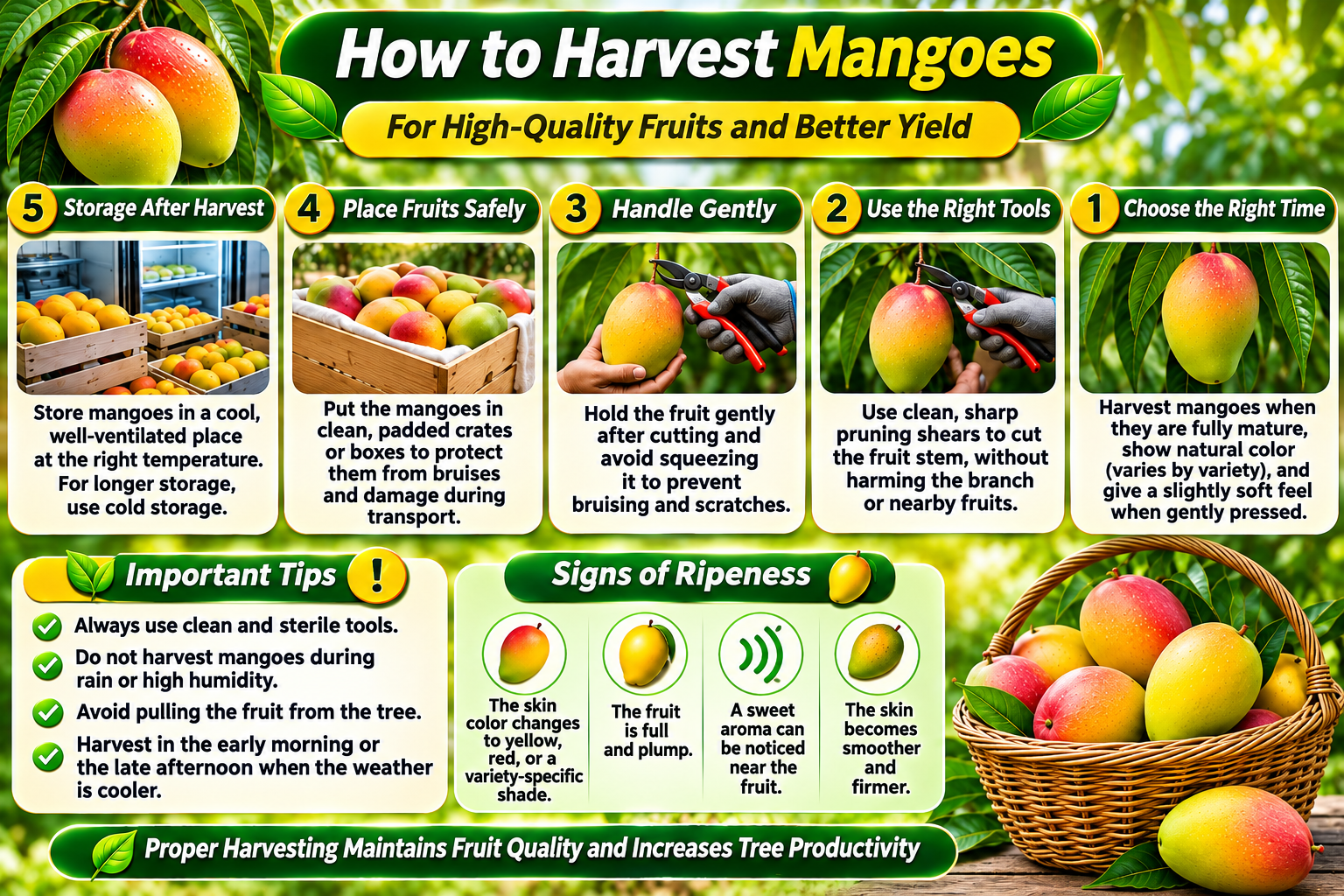
The quality of a mango harvest begins with how the fruits are handled while being picked from the tree. Following the right mango harvesting method helps reduce scratches and bruising while protecting the fruit and branches as much as possible. Harvesting mangoes involves more than simply removing the fruit from the tree. It also includes preparing the tools and containers, choosing a safe way to reach the fruit, and collecting and sorting the harvest carefully.
Whether you are picking mangoes from a home garden or an orchard, understanding how to harvest mangoes from the tree helps organize the process and avoid mistakes that may affect fruit quality.
1. Check Whether the Mangoes Are Ready for Harvesting
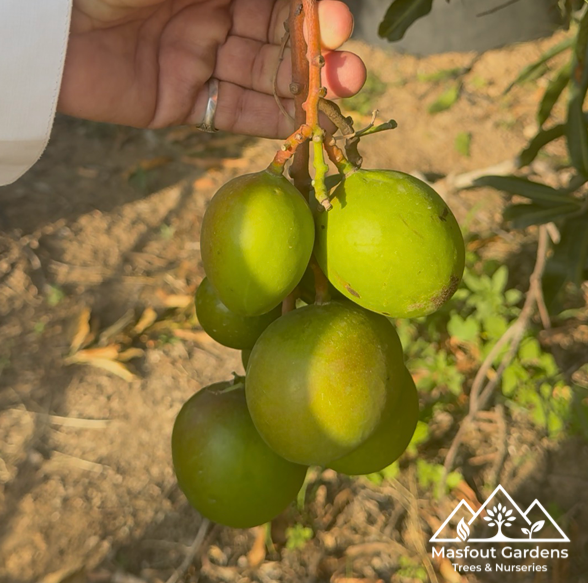
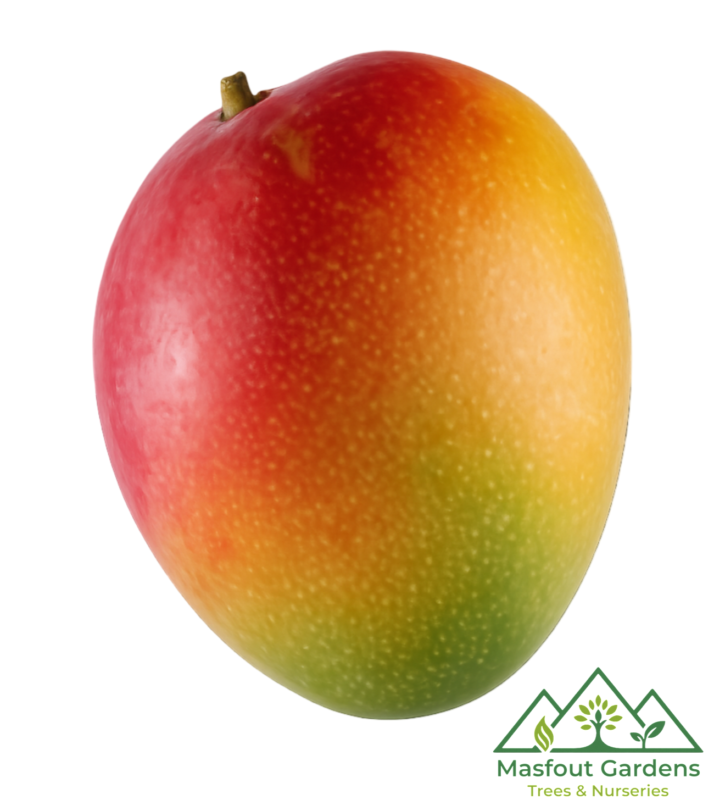
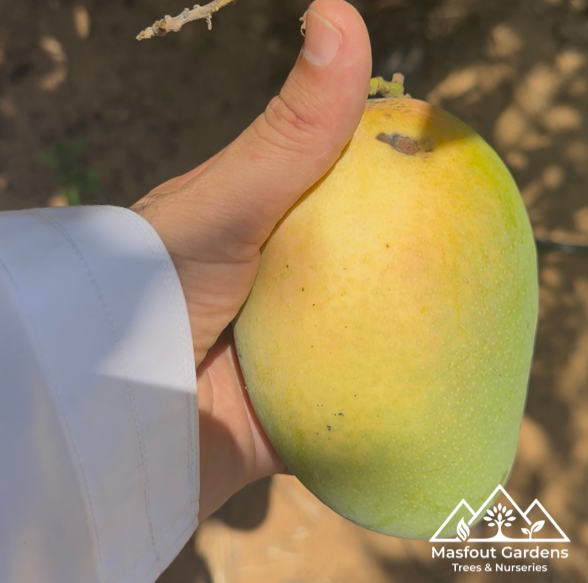
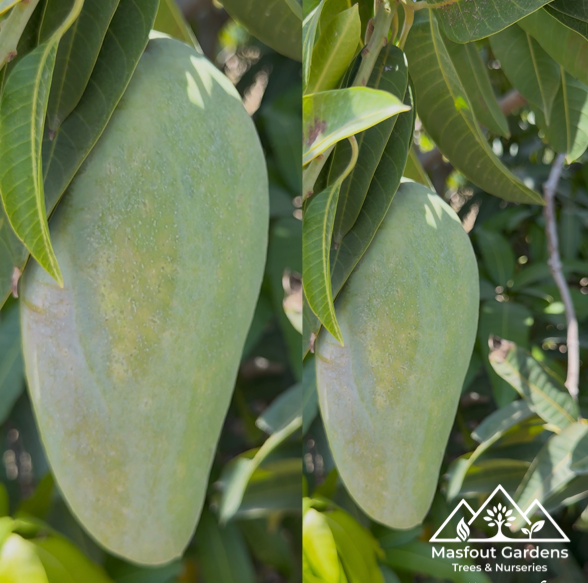
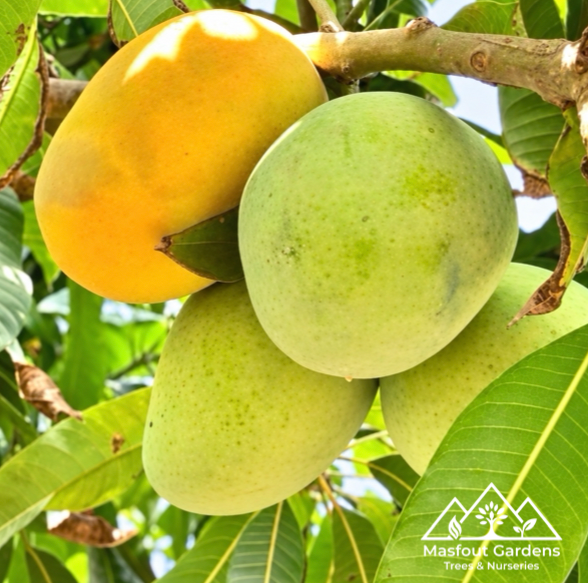
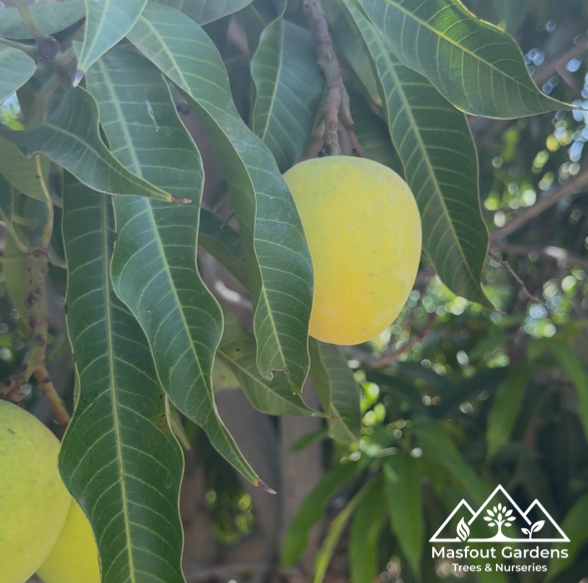
Before harvesting mangoes, it is important to make sure the fruits have reached a suitable stage for picking. Skin color alone should not be used as the only indicator, as mango color varies from one variety to another. Some varieties may remain green even when they are approaching maturity.
Several indicators can help you assess whether the fruit is ready, including:
Reaching the typical size and shape of the variety.
Looking fuller compared with smaller fruits on the tree.
Changes in skin color or the appearance of maturity signs associated with the variety.
Following orchard records or specialist recommendations about the appropriate harvesting stage.
If you are unsure whether the fruits are ready, consider assessing a sample or consulting someone experienced in harvesting the same variety. This helps determine the right time before applying the mango harvesting method to the entire crop, rather than picking the fruits too early.
2. Prepare Mango Harvesting Tools and Containers
Preparing the necessary tools before harvesting helps make the process more organized. It also reduces repeated handling and the risk of moving the fruit in unsuitable ways. Choosing the right equipment is an essential part of the mango harvesting method, as unsuitable tools may damage the fruit or branches.
Depending on the tree's height and the surrounding conditions, you may need:
Suitable harvesting shears: For separating fruits that are within easy reach. Make sure they are clean and safe to use.
A specialized picking tool: A purpose-designed tool may help reach higher fruits from a safe position.
Suitable collection containers: Choose clean, sturdy containers with an interior surface that will not scratch the fruit.
Work gloves: These can help when handling fruit and branches and reduce direct contact with sap.
A safe access method: Choose an appropriate option based on the tree's height and location, while avoiding unsafe climbing.
Avoid using improvised or unsuitable equipment. Do not pile the fruits too high inside the containers, as pressure between them may cause bruising that is not immediately visible during collection.
3. Reach the Fruits Safely
The best way to reach mangoes depends on the tree's height, branch density, and the location of the fruits. Therefore, assess the area before starting and identify which fruits can be reached easily and which require suitable equipment or professional assistance.
When following a mango harvesting method, avoid standing on branches or pulling them forcefully to reach the fruit. Branches may break, and losing balance while working at a height can lead to injuries.
If the fruits are located in high or difficult-to-reach areas, it is better to seek help from a qualified professional with the appropriate tools and experience rather than attempting unsafe climbing or using unsuitable equipment.
4. Separate the Fruit from the Tree Without Damaging It
Removing mangoes requires careful, controlled movements to prevent damage to the skin or the branch carrying the fruit. This is one of the most important stages of the correct mango harvesting method, as rough handling may cause cuts or bruises that affect fruit quality.
Follow these general steps:
Hold the fruit gently without squeezing its sides.
Identify where the fruit stem connects to the branch.
Use a suitable harvesting tool to separate the fruit instead of pulling it forcefully.
Avoid twisting the fruit or bending the branch with excessive force.
Place the fruit directly into the collection container without throwing it or allowing it to fall to the ground.
These steps help reduce mechanical damage during harvesting. The separation tool should be suitable for the fruit's size and location. Avoid using improvised sharp tools or unsuitable knives.
5. Handle Mango Sap After Picking
Sap may emerge from the point where the fruit is separated from the tree. Therefore, it is important to handle the fruit carefully to prevent sap from spreading across its surface or contaminating other fruits.
Avoid stacking fruits immediately after picking if visible sap is still present. Arrange them in the containers in a way that allows them to be handled separately, following appropriate practices for the variety and packaging method.
It is also advisable to avoid contact between mango sap and the skin or eyes. Wear suitable gloves and wash your hands after finishing the work. If sap comes into contact with the eyes, rinse them with clean water and seek medical advice if irritation continues.
This is an important part of the mango harvesting method and post-harvest handling. Care does not end when the fruit is separated from the tree; it continues throughout collection and initial preparation.
6. Collect and Sort the Fruits Carefully
After separating the fruits from the tree, the next stage is collection and sorting. This is an important part of the mango harvesting method because the way fruits are placed and transported may affect their condition.
Keep the following points in mind during collection:
Place fruits gently inside the containers instead of throwing them.
Avoid excessive pressure or overfilling containers.
Separate fruits with visible damage or signs of deterioration from healthy ones.
Use clean containers suitable for transportation.
Minimize unnecessary transfers from one container to another.
Initial sorting helps assess the condition of the harvest and organize fruit handling after picking. Visible bruises or cuts should not be ignored, as they may affect fruit quality later.
7. Common Mistakes to Avoid When Harvesting Mangoes
Some damage may occur because of rushing or using unsuitable equipment. The following are common mistakes to avoid when applying a mango harvesting method:
Pulling fruits forcefully: This may tear the stem connection or damage part of the branch.
Dropping fruits on the ground: This may cause bruises or cracks in the skin.
Using unsuitable containers: Rough surfaces or overcrowded containers may scratch the fruit.
Relying on skin color alone: Fruit color varies by variety and is not enough to determine harvesting readiness.
Climbing trees to reach the fruit: This may increase the risk of falling and breaking branches.
Ignoring sap: Poor handling may contaminate other fruits or cause skin irritation.
Avoiding these mistakes makes harvesting more organized and helps reduce damage during fruit collection.
8. When Should You Seek Professional Assistance?
Not all mango trees can be harvested in the same way. Tree height, branch density, crop size, and the surrounding ground conditions all influence the best approach.
Professional assistance may be necessary in the following situations:
Most of the fruits are located in high areas that are difficult to reach.
Dense or tangled branches make movement difficult.
A large quantity of fruit needs to be collected within a limited time.
You are unsure about the appropriate harvesting stage for the variety.
Separating the fruits without damaging nearby branches or fruit is difficult.
A specialist can help select suitable tools and organize harvesting according to the tree's condition and location. This can reduce risks associated with unsafe access and improper fruit handling.
Conclusion
The right mango harvesting method involves more than simply separating the fruit from the tree. It begins with checking whether the crop is ready, preparing the harvesting tools and containers, choosing a safe way to reach the fruits, and handling both the fruit and sap carefully during collection and sorting.
A well-organized harvesting process can help reduce bruises, scratches, and damage to both the fruit and branches. Use suitable equipment, avoid forceful pulling or unsafe climbing, and seek professional assistance whenever the tree's condition requires it.
To explore the available varieties, visit the Mango Category at Masfout Gardens and ask about the varieties that suit your needs.
For specialized guidance on handling mangoes after harvesting, refer to the University of Florida UF/IFAS Guide to Mango Postharvest Practices.