Red New Mango Leaves: 5 Points to Help You Assess Their Condition
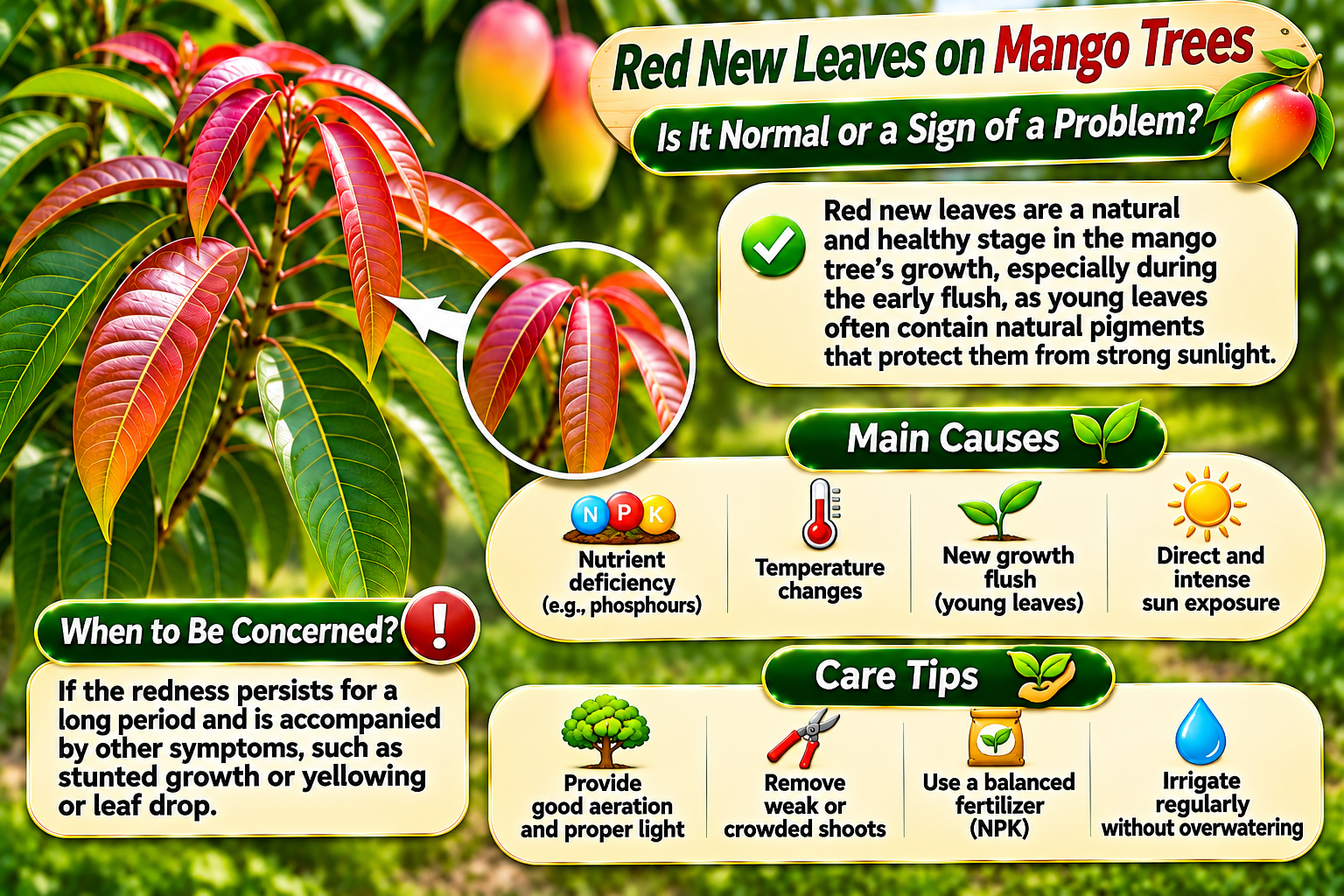
Mango seedling owners may notice that newly emerging leaves appear red or coppery rather than the familiar green. This raises an important question: Is the redness of new mango leaves a normal part of growth, or could it indicate a problem that needs further investigation?
In many cases, red new mango leaves are associated with the natural development of the leaf, particularly in certain mango varieties whose young growth may appear red, coppery, or purple. However, not every change in leaf color should automatically be considered normal. The shape and overall condition of the leaves should also be observed.
Understanding the stages of mango leaf development and monitoring changes in color can help you assess the situation more accurately. In this guide, we explore why new mango leaves turn red, when they usually become green, and which signs may require further inspection—without resorting to unnecessary spraying or fertilizing.
Why Do New Mango Leaves Appear in Different Colors?
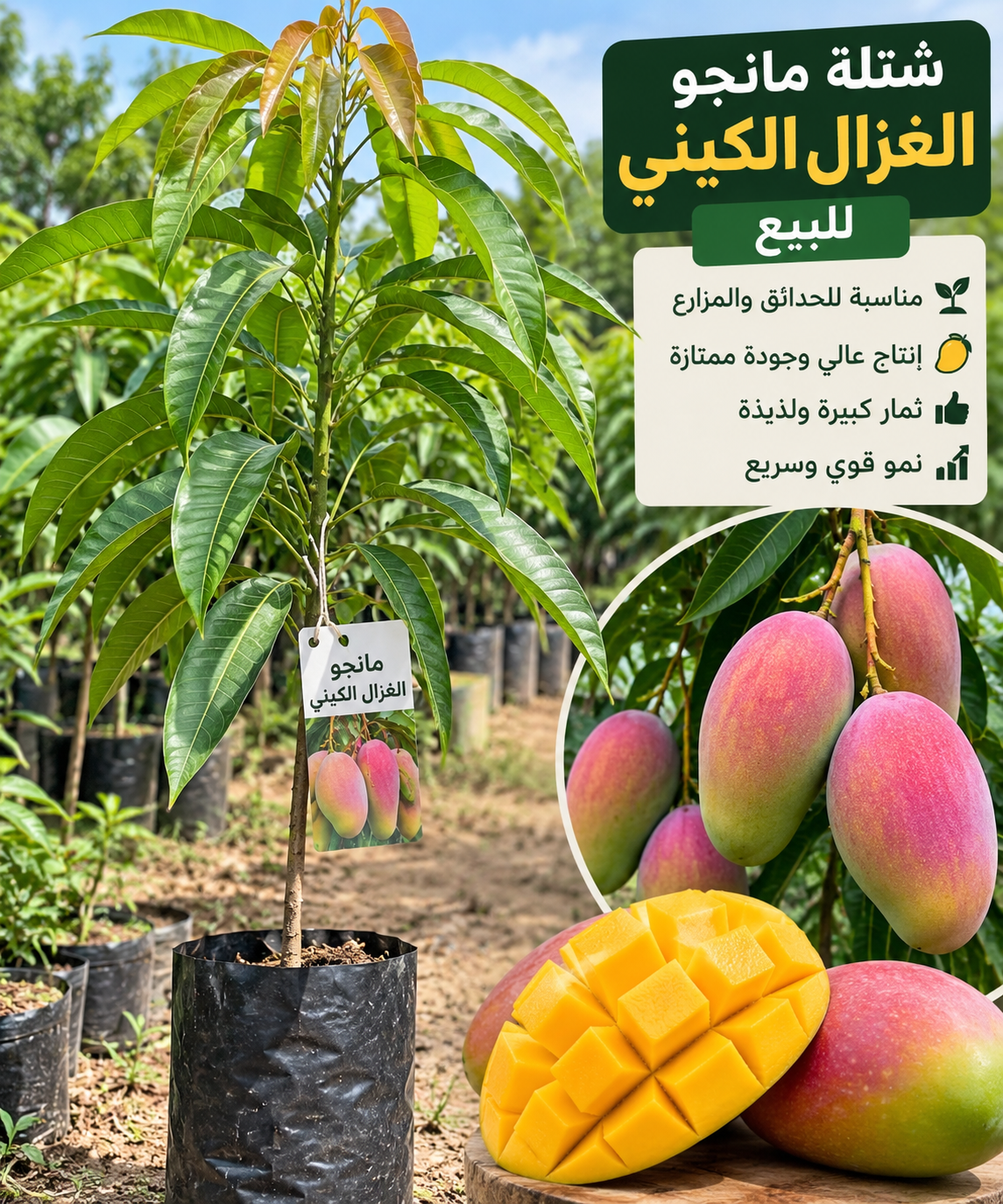
Mango trees typically produce new leaves in growth flushes. During each flush, buds develop and produce a group of young leaves. These leaves may appear in different colors, including pink, red, copper, and purple, while other varieties produce light green new growth.
Red new mango leaves are associated with the leaf's stage of development and the genetic characteristics of the variety. Some mango varieties naturally produce distinctly red or purple young leaves, while others have coppery or yellowish-green shades.
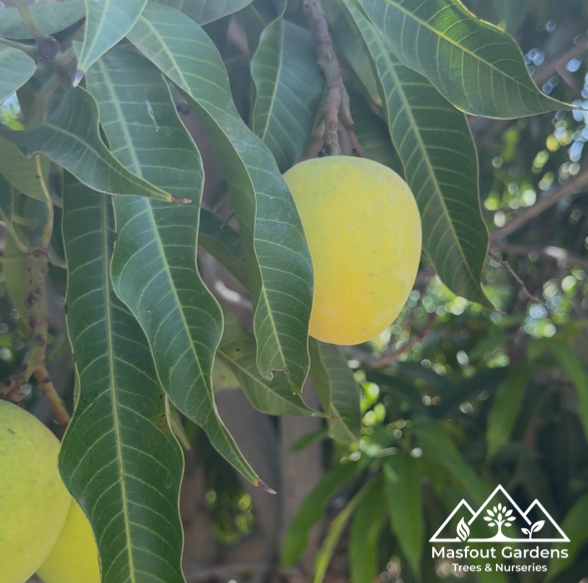
As the leaf continues to grow and its tissues develop, its appearance gradually changes until it becomes green at maturity. Therefore, red new mango leaves may be a normal feature, particularly when the leaves remain healthy and the tree continues to grow steadily.
A difference in color between young and mature leaves does not necessarily indicate a nutrient deficiency or disease. Any comparison should take into account the age of the leaf and the mango variety.
How Can You Distinguish Young Leaves from Mature Leaves?
Identifying the age of a leaf can help explain why its color differs from that of surrounding foliage. Young leaves usually emerge at the tips of branches, near developing buds. They often appear in groups of similar age as part of the same growth flush.
Mature leaves, on the other hand, are generally firmer and have a darker green color than leaves that are still expanding and developing.
When you notice red new mango leaves, pay attention to these five points:Leaf position: Is the red or coppery color limited to the branch tips where new growth appears?
Leaf Position: Is the red or coppery color present at the branch tips, where new growth emerges?
Leaf age: Are the colored leaves smaller and softer than the surrounding green leaves?
Growth pattern: Did the colored leaves emerge together as part of one growth flush?
Branch condition: Is the branch continuing to grow without drying out or experiencing tip dieback?
Extent of the color change: Is the color limited to young leaves, or does it also appear on fully developed foliage?
These observations can help you determine whether the redness is related to leaf age or whether other changes require further monitoring and inspection.
Do Red Mango Leaves Turn Green?
Yes. In many mango varieties, young leaves gradually turn green as they develop. During this process, they may pass through several shades, starting with red, copper, or purple before becoming lighter or greener and eventually reaching their mature green color.
Therefore, red new mango leaves do not necessarily indicate a problem, especially when their color changes gradually as the leaves mature.
However, there is no fixed number of days that applies to every mango tree. Leaf development is influenced by the variety, environmental conditions, and growth stage. A study involving specific mango varieties recorded the transition of some colored young leaves to green over a period of three to four weeks. However, this should not be treated as a universal timeline for all mango varieties or growing conditions.
Rather than relying on a specific date, monitor the leaves themselves. Is their color gradually changing? Are they becoming firmer and reaching their full size? These observations provide a more reliable way to assess red new mango leaves than judging the seedling from a single photograph.
What Signs May Require Further Inspection?
Leaf color alone is not enough to determine whether a problem is present. However, if red new mango leaves are accompanied by other changes, it is worth examining the foliage, branches, and seedling more closely.
Signs that deserve attention include:
Noticeable leaf deformation: Such as curling, wrinkling, or irregular leaf shapes.
Unusual spots: Particularly dark or spreading spots, or areas accompanied by dry tissue.
Stunted growth: When leaves fail to expand fully or a growth flush appears noticeably weak.
Drying or branch-tip dieback: Such as young leaves drying out or the condition of the supporting branch deteriorating.
Recurring symptoms: When abnormal changes appear in successive growth flushes rather than being limited to a single flush.
These signs may be associated with different issues, including disease, insect activity, or environmental stress. The cause cannot be identified from leaf color alone. Some mango diseases can also affect young growth and cause leaf deformation, making it important to examine leaf shape as well as the redness of new mango leaves.
How Can You Document the Condition of Mango Leaves?
If you notice red new mango leaves, recording how the condition develops can help you determine whether the color change is temporary and related to young growth or whether it is progressing in a way that requires specialist assessment.
Use the following monitoring checklist:
Date of leaf emergence: Record when the new growth flush first appeared.
Follow-up photographs of the same branch: Take pictures from a similar angle and under comparable lighting so you can track color changes.
A photograph of the entire tree: This helps show the overall condition of the foliage and the distribution of colored growth.Location of the color change: Note whether it appears only on young leaves or also affects mature leaves.
Location of the Color Change: Identify whether the color appears only on young leaves or also affects mature leaves.
Recent changes: Record any recent transplanting, spraying, or fertilizing before the color change appeared.
Accompanying symptoms: Note whether there is leaf deformation, spotting, drying, or stunted growth—or whether none of these symptoms are present.
This information gives a specialist a clearer picture of the situation and helps them assess red new mango leaves before recommending any action.
Mistakes to Avoid When Mango Leaves Turn Red
Reacting too quickly to a change in leaf color can lead to unnecessary treatments. Here are some common mistakes to avoid:
Removing red leaves simply because their color differs from that of mature leaves.
Applying additional fertilizer without a diagnosis or a recommendation based on proper assessment.
Spraying pesticides simply because the leaves appear red or coppery.
Comparing leaves from different mango varieties and assuming that a color difference means one of the trees has a problem.
Treating leaf color as a reliable way to identify a mango variety. Young leaf color may help describe certain varieties, but it is not sufficient on its own to establish a tree's identity.
The right approach to red new mango leaves begins with observation and documentation, not with a quick gardening treatment that the tree may not need.
When Should You Seek Specialist Assessment?
Seek a horticultural assessment if red new mango leaves are accompanied by noticeable deformation, spreading spots, drying, or branch-tip dieback, or if abnormal new growth appears repeatedly across multiple growth flushes.
When contacting a specialist, provide clear photographs of both young and mature leaves, along with pictures of the affected branch and the entire tree. Include the seedling's age, if known, when the color change first appeared, and any recent transplanting, spraying, or fertilizing.
This documentation can help with the initial assessment, although it does not replace a direct inspection when symptoms are severe or persistent. Avoid choosing a pesticide or adding fertilizer based solely on a photograph of the leaf color.
Conclusion
Red new mango leaves may be a normal part of a growth flush. In certain varieties, young leaves emerge in shades of red, copper, or purple before gradually turning green as they mature.
However, assessing their condition requires monitoring leaf age, shape, and development, as well as watching for accompanying symptoms. Not every red leaf indicates disease, and a change in color does not automatically mean the tree has a nutrient deficiency.
If you are planning to grow mango trees, explore the mango seedlings available at Masfout Gardens and ask about the variety and seedling specifications before placing your order.