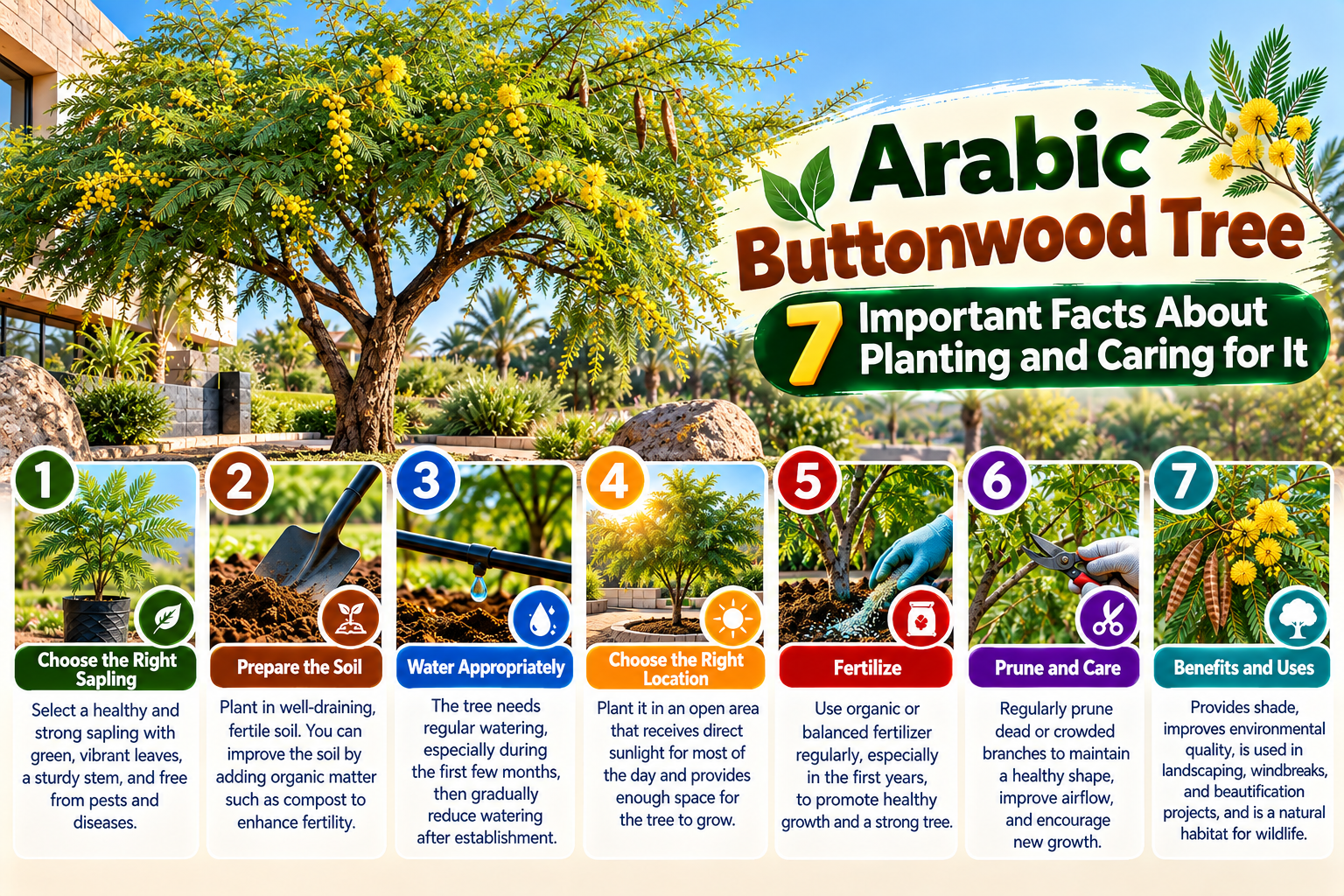
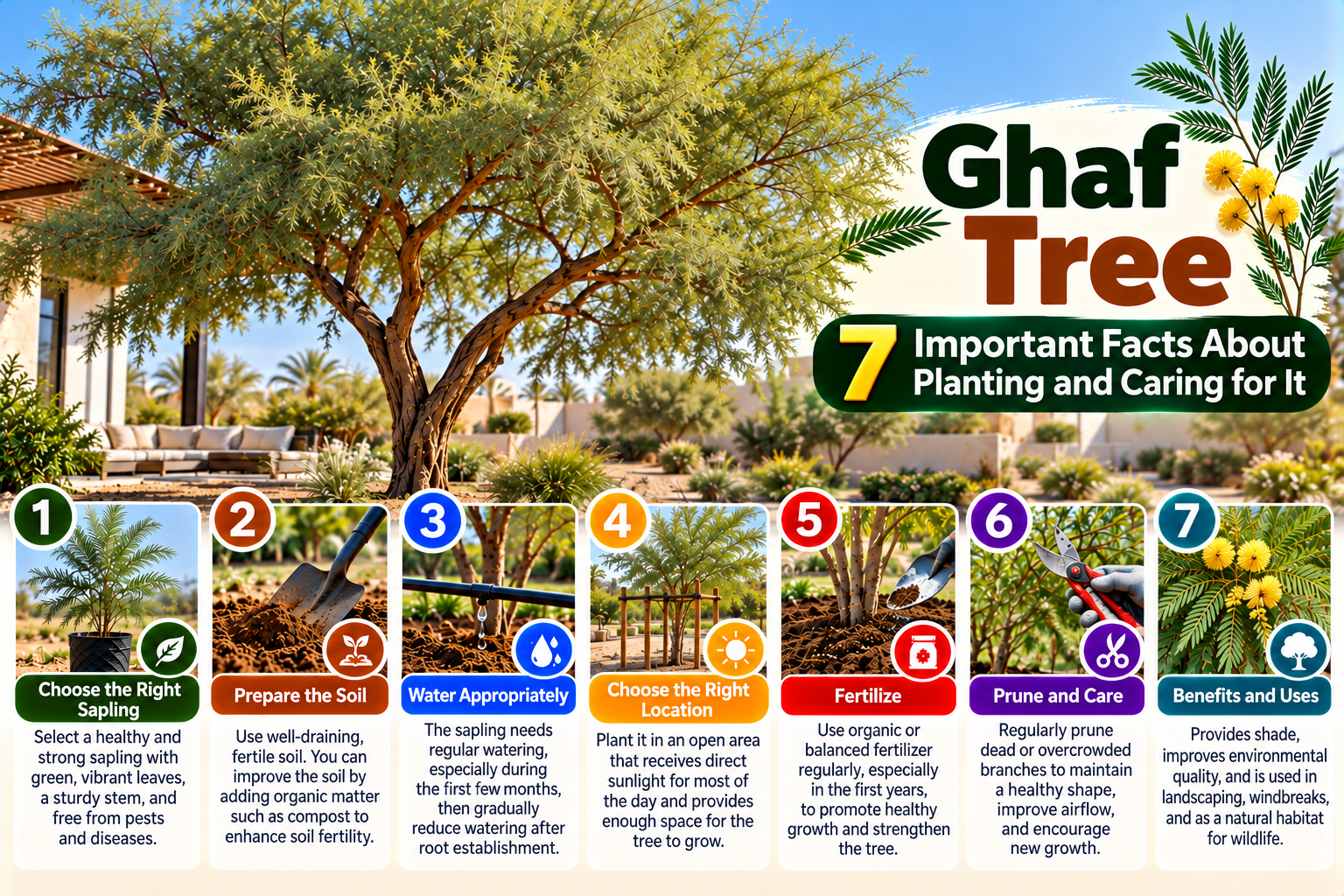
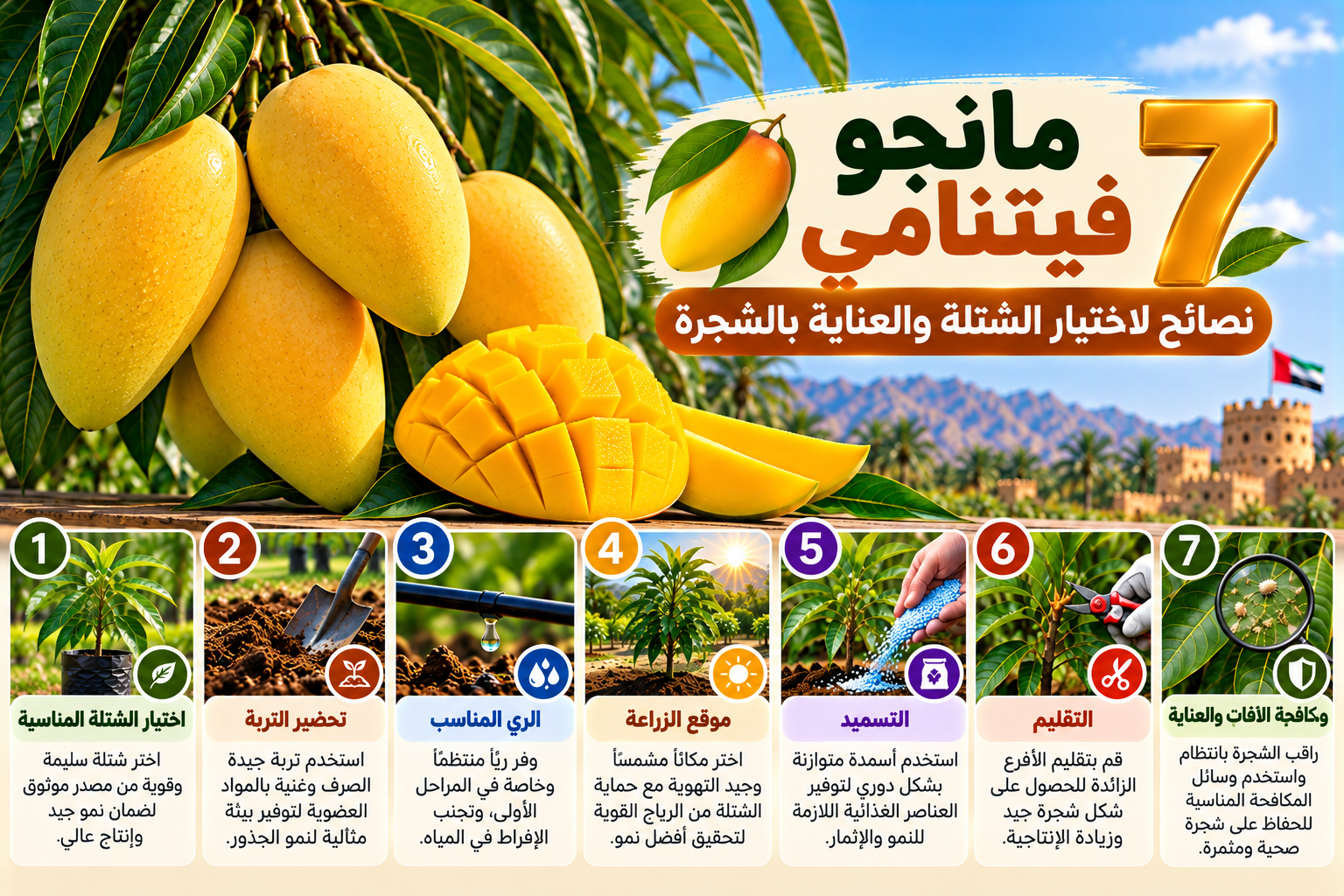
Arabian Acacia Tortilis: 7 Essential Facts Before Buying and Planting the Tree
The
is a tree worth considering when looking for suitable trees for gardens and outdoor spaces. Before choosing this tree for your garden or farm, it is important to understand its scientific name, growth characteristics, growing requirements, and suitability for the climate conditions at the planting site.
If you are considering adding the Arabian Acacia Tortilis to your tree collection, here are seven key facts to help you learn about it and prepare for planting and caring for it.
1. What Is the Arabian Acacia Tortilis?
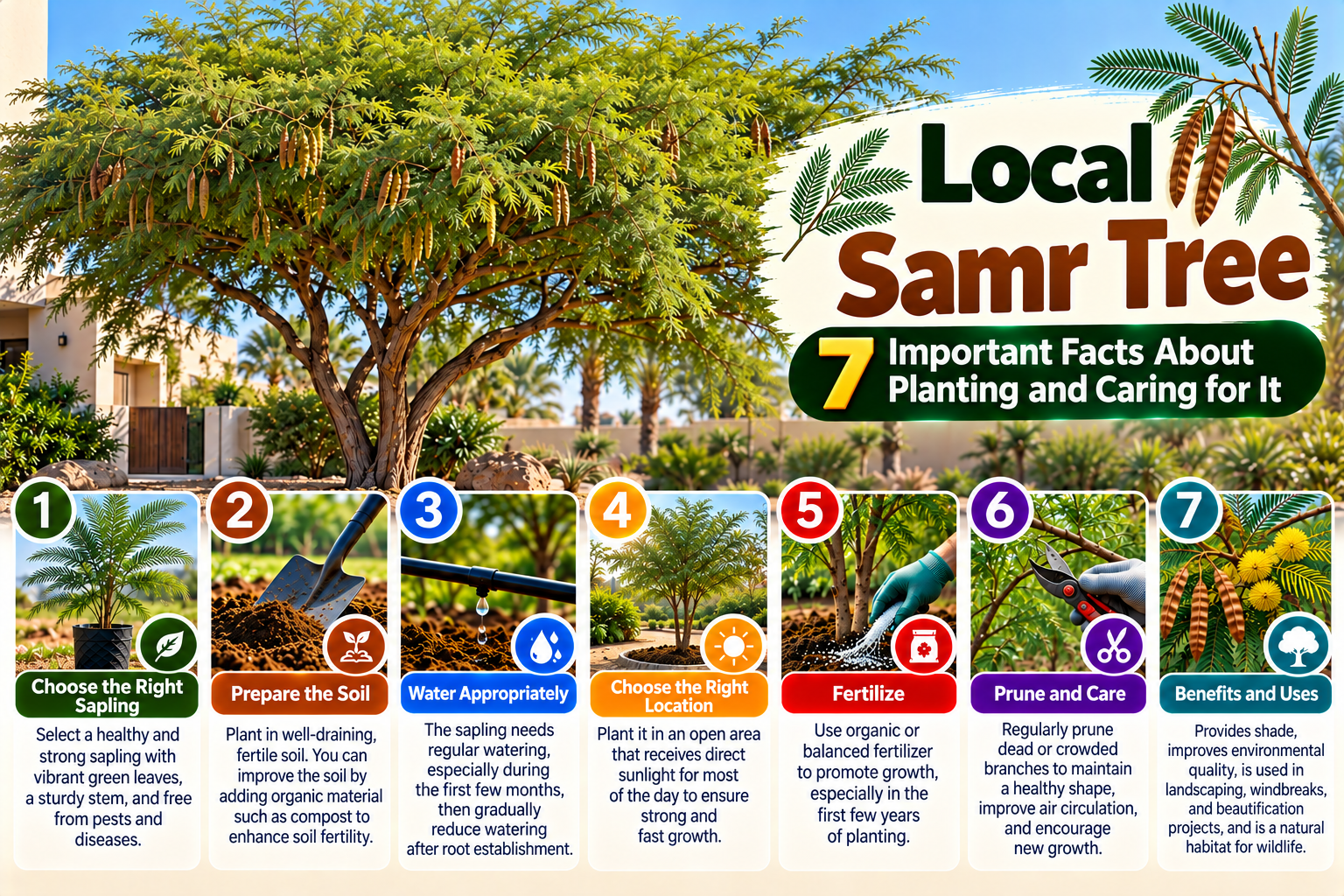
The name Arabian Acacia Tortilis is associated with common names used for trees in the acacia group, and the name is used on the related product page at Masfout Gardens. This species is also known as the Local Samar Tree in some regions.
Before purchasing the tree, it is advisable to verify the scientific name on the plant label or in the product description, as common names may vary from one region to another and similar names may be used for different species.
Knowing the scientific name also helps you find more accurate information about the tree’s characteristics and its soil, water, and sunlight requirements.
2. What Are the Main Characteristics of the Arabian Acacia Tortilis?
When learning about acacia trees, you can observe the shape of the canopy, branches, and leaves, as these characteristics help distinguish different species. The species typically features a relatively broad canopy, and its branches may spread outward, creating a natural appearance suitable for outdoor spaces.
The tree’s appearance and mature size vary depending on environmental conditions, the plant’s age, and its growth pattern. Therefore, it is important to review the characteristics of the specific species before choosing a planting location, especially if the tree will be planted near buildings or walkways.
3.How to Choose the Right Arabian Acacia Tortilis Sapling
Making the right choice starts with inspecting the sapling and verifying its identity and source. When visiting the nursery or reviewing the product page, pay attention to the following points:
Make sure the plant is the intended species.
Inspect the leaves, branches, and trunk for any visible signs of damage.
Check that the roots are healthy whenever inspection is possible.
Ask about the sapling’s height, pot size, and suitability for transportation.
Ask for suitable guidelines on transplanting the sapling into the ground.
Obtain clear information from the nursery about the tree species and its propagation method.
These steps help you choose a suitable sapling and reduce potential problems caused by a lack of information about the species or its growing conditions.
4. Is Arabian Acacia Tortilis Suitable for Growing in the UAE?
Growing trees in the UAE requires considering temperatures, soil conditions, drainage, and the plant’s needs during periods of extreme heat. Understanding whether a specific species is suitable for local conditions is an important step before purchasing.
If you are planning to grow Arabian Acacia Tortilis in a home garden or outdoor space, ask the nursery whether the sapling is suitable for your area and about its care requirements during summer and after transplanting it into the ground.
It is also advisable to choose a location that allows the tree to grow to its mature size, while maintaining adequate distance from buildings, utilities, and neighboring trees.
5. What Is the Best Location for Planting the Tree?
Choosing a planting location depends on the tree’s expected size, sunlight requirements, and soil conditions. Before planting Arabian Acacia Tortilis, it is best to prepare the site and ensure it is suitable for root and branch growth.
Consider the following:
Choose a location that meets the species’ sunlight requirements.
Ensure the soil provides adequate drainage.Ensure that the soil provides adequate drainage.
Provide sufficient space for the tree to grow in the future.
Avoid underground utilities and narrow walkways when planning the planting location.
Ensure easy access to the tree for watering and routine care.
Planning ahead helps you organize the space and avoid the need to relocate the tree once it has grown.
6. How to Care for Arabian Acacia Tortilis After Planting?
The tree’s needs vary depending on its age, weather conditions, and soil type, so care should
Monitor soil moisture and ensure adequate watering while the sapling establishes itself, while avoiding overwatering.
Regularly inspect the trunk, branches, and leaves to identify any unusual changes.
Avoid waterlogging around the roots and ensure the soil is suitable for the species.
Pruning: Remove dead or damaged branches when necessary, using appropriate methods.
Avoid applying fertilizers indiscriminately. Instead, ask about the species’ requirements and follow appropriate recommendations.
Monitor Weather Conditions: Monitor the seedling during periods of extreme heat, especially in the early stages after planting.
There is no single watering or fertilization schedule that suits all trees, as proper care depends on the plant's condition and the site's growing conditions.
7. What Should You Know Before Buying Arabian Talh Qarat Seedlings?
Before completing your purchase, review the product description and verify the scientific name, seedling size, and available care information. If you plan to grow the tree in a home garden, consider the space it may need once fully grown.
You can visit the [Local Samar Tree product page on Masfout Gardens](https://masfoutgardens.com/product/---acacia-tortilis-2/) to review the available product information and check availability.
Gathering information before purchasing helps you choose a tree that suits your planting space and growing conditions, rather than relying on the common name alone.
Conclusion
Selecting Arabian Talh Qarat begins with verifying the plant’s identity and understanding its requirements before planting. Choose a healthy seedling, prepare a suitable planting site, and consider the soil type, irrigation needs, and local climate conditions.
Before purchasing, review the product details and ask the nursery for guidance on the tree’s specific requirements, so you can plan its planting and care more effectively.