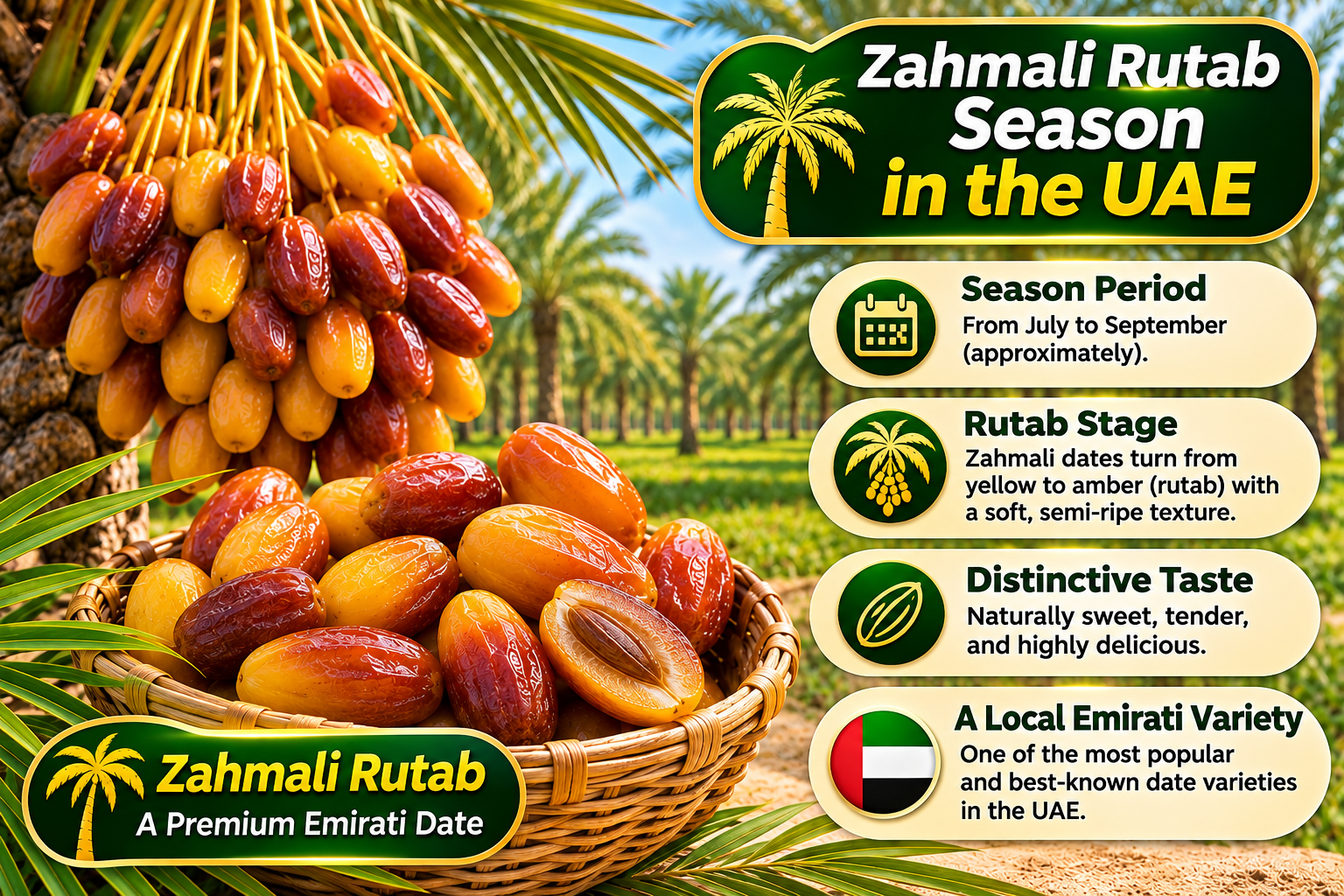
Zamli Rutab Harvest Season in the UAE: 5 Facts About Timing and Harvesting Stages
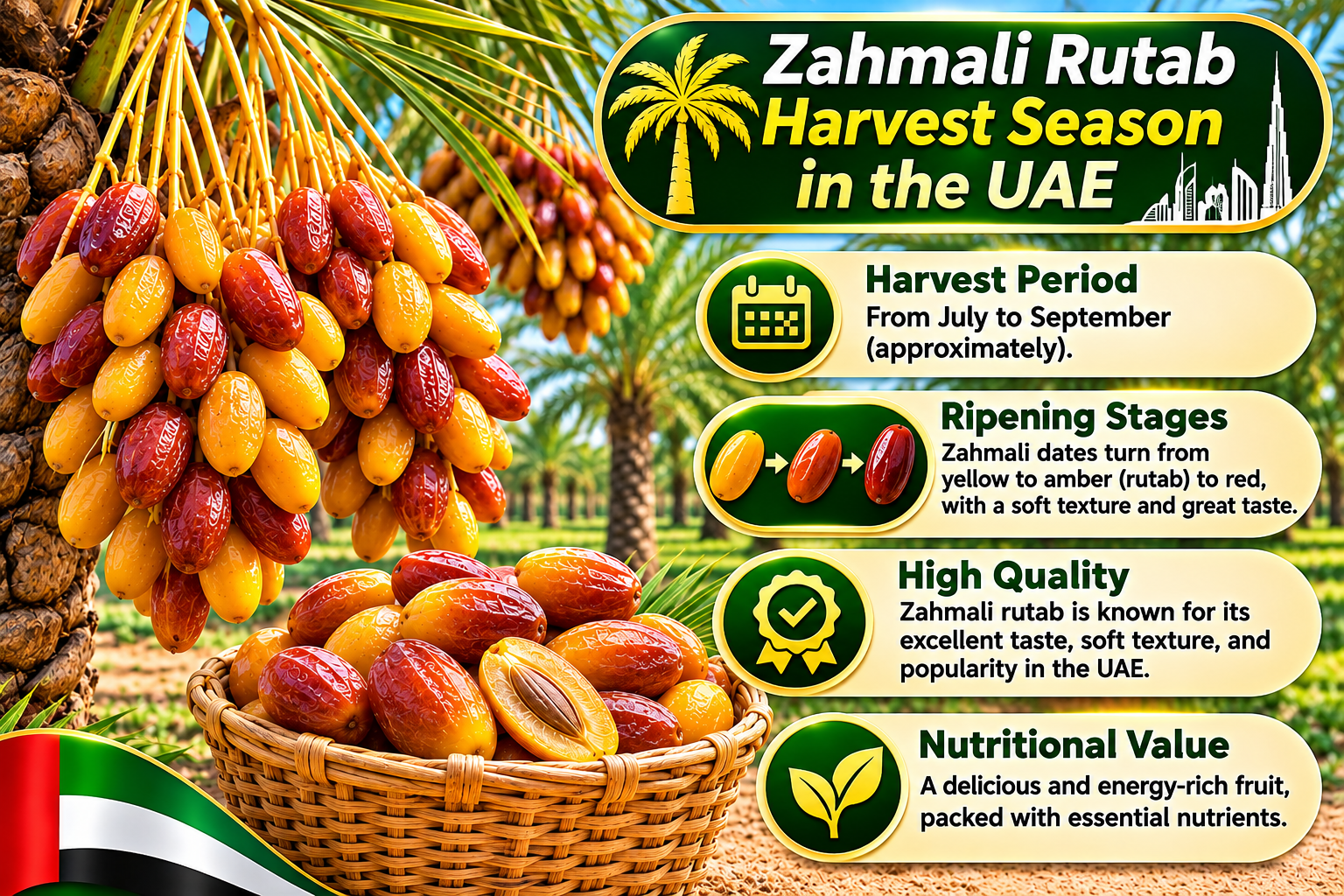
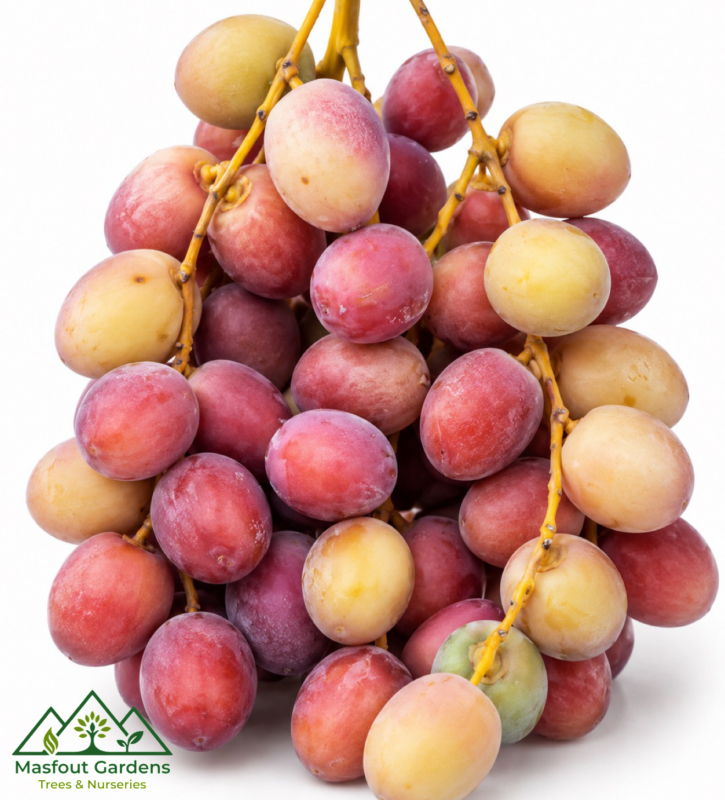
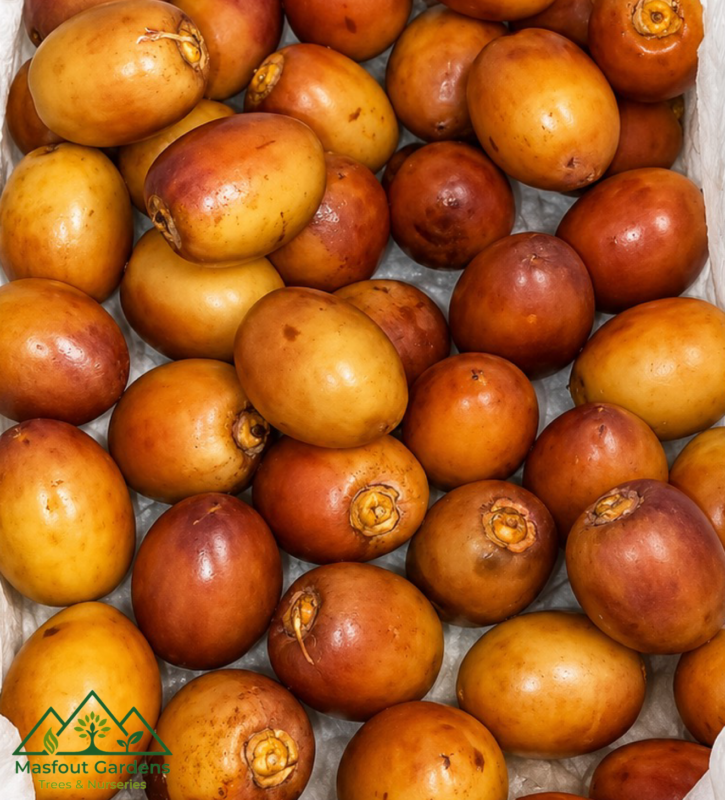
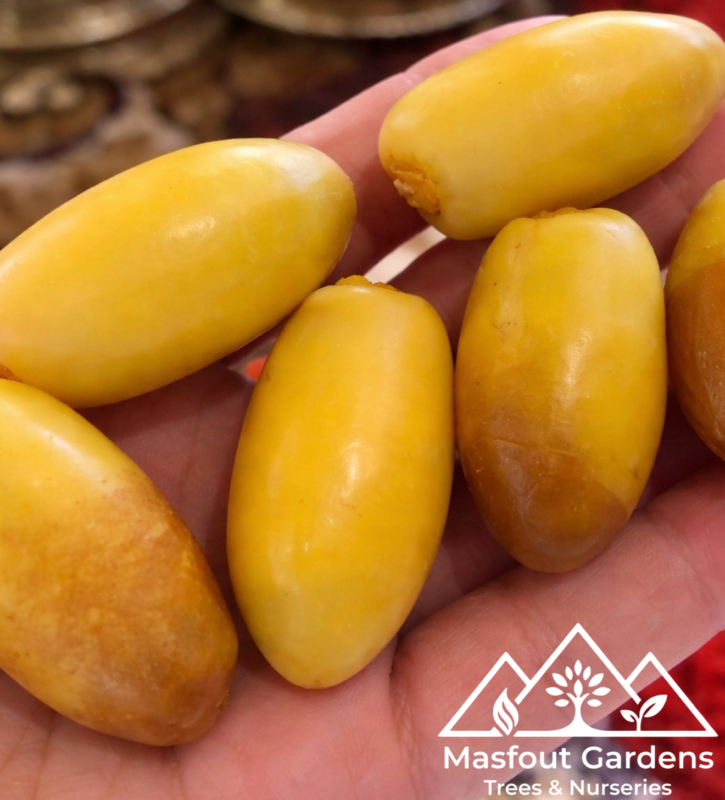
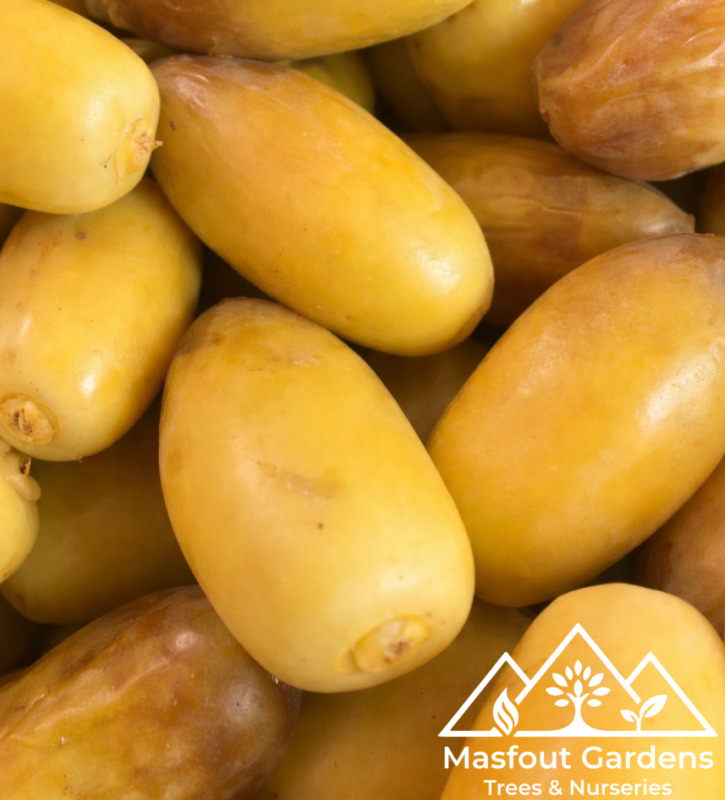
The Zamli rutab harvest season in the UAE depends on the ripening stages of the dates and the growing conditions surrounding the palm tree. As the fruits develop from Bisr (Khalal) to Rutab, their color, texture, and moisture content gradually change.
Understanding the Zamli rutab harvest season in the UAE helps growers identify the appropriate harvesting stage, monitor fruit maturity, and maintain fruit quality after picking. The exact timing may vary depending on the growing location, weather conditions, and palm tree care.
1. When Does the Zamli Rutab Harvest Season Begin in the UAE?
The timing of the Zamli rutab harvest season in the UAE varies according to the growing region, climatic conditions, and fruit maturity. Rather than relying on a fixed calendar date, growers should monitor the fruit's development and look for signs that indicate it has reached the appropriate stage for harvesting.
Therefore, it is advisable to monitor the fruits regularly rather than rely on a specific date to determine the right time to harvest the Rutab.
2. What Are the Ripening Stages of Zamli Dates Before Harvest?
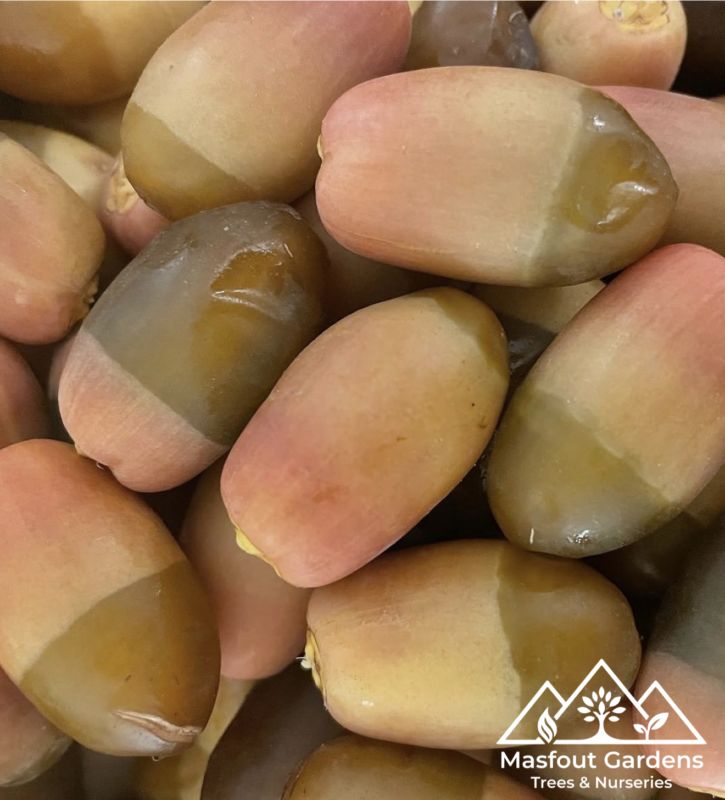
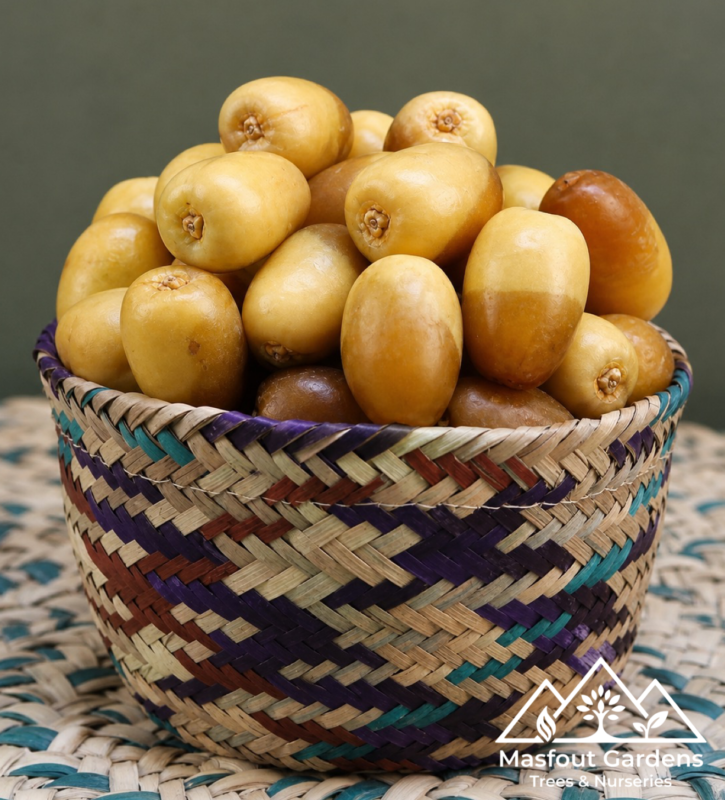
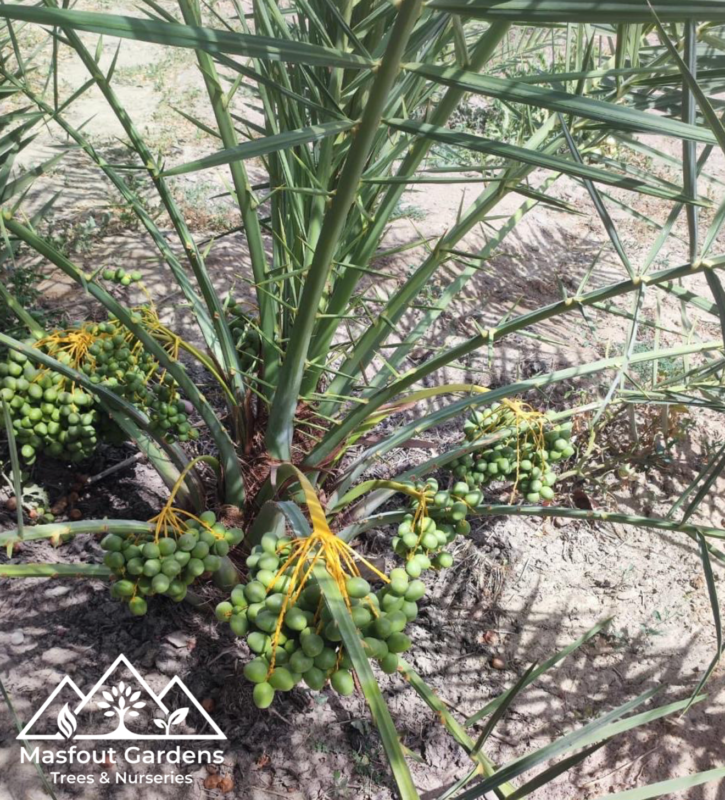
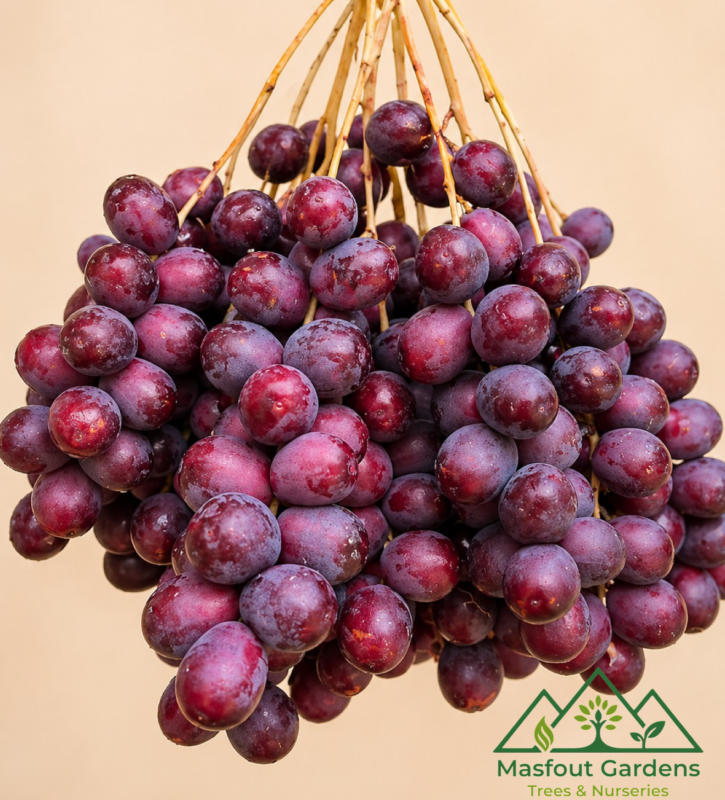
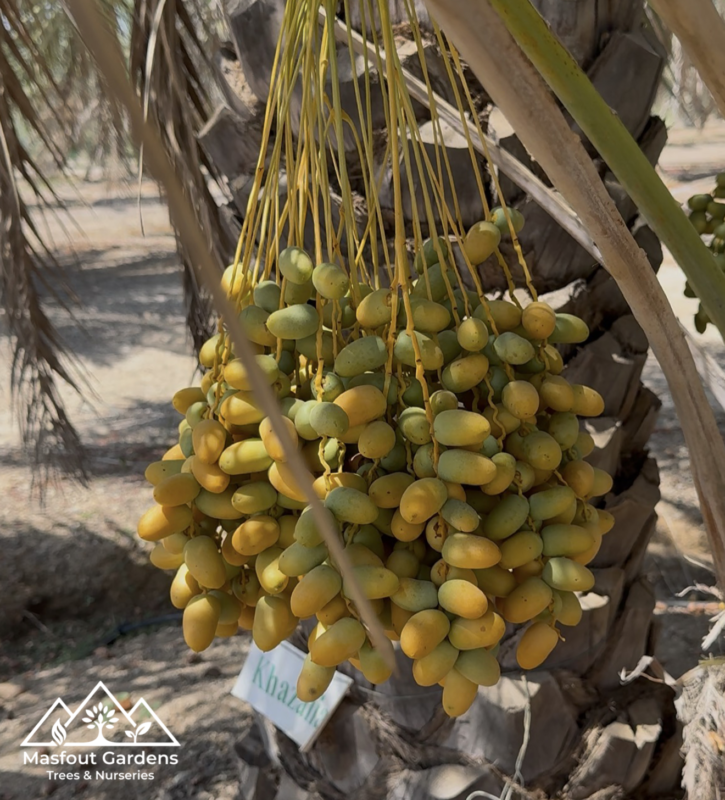
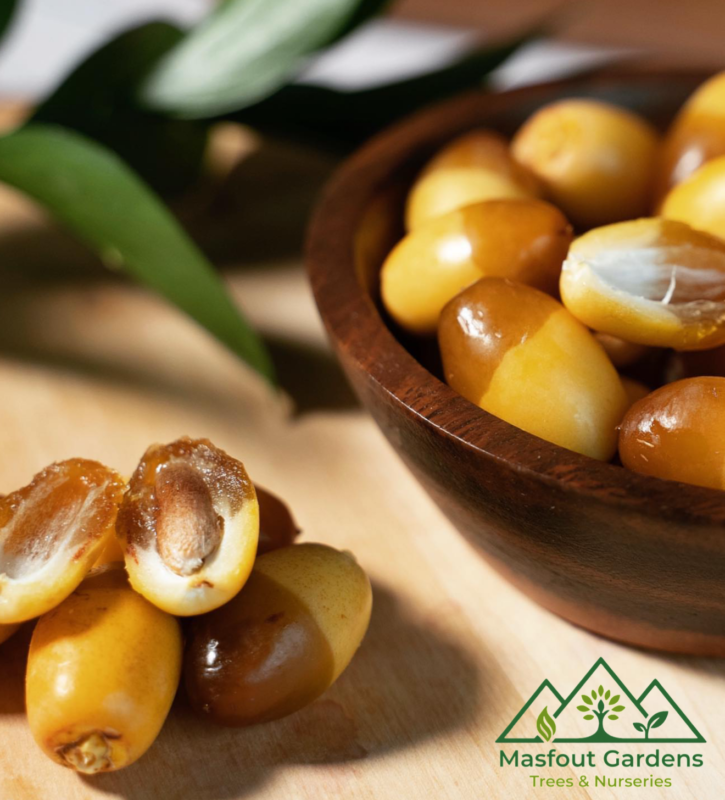
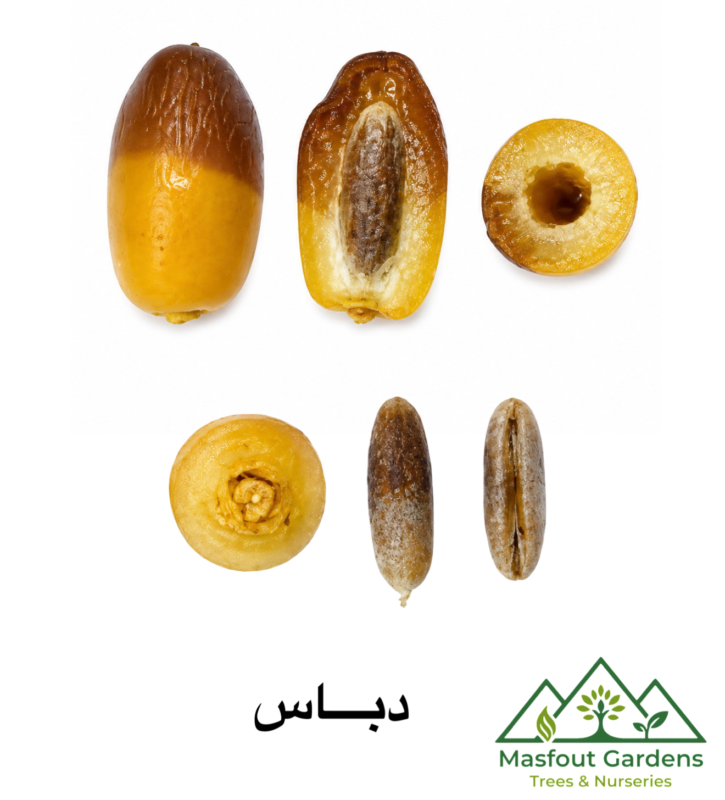
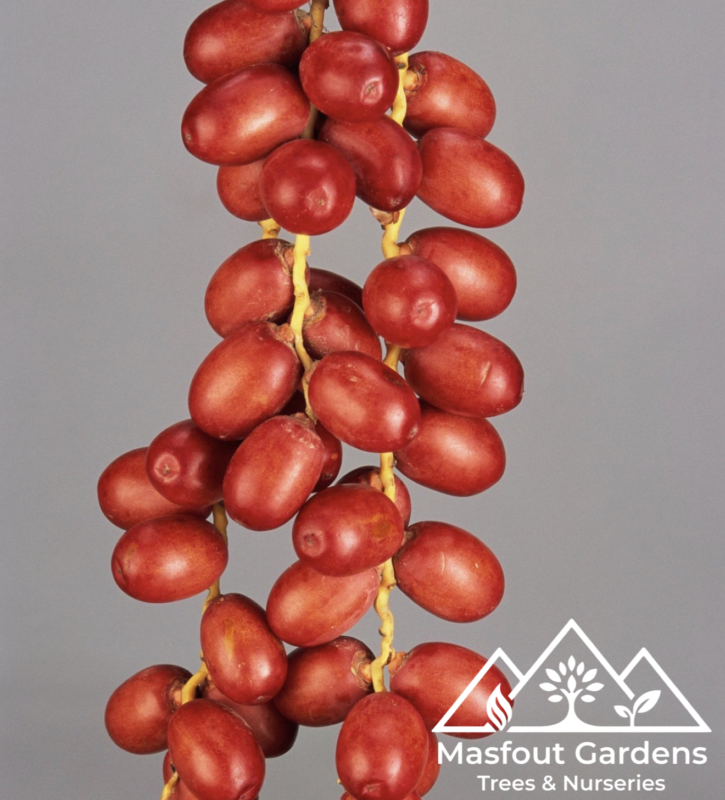
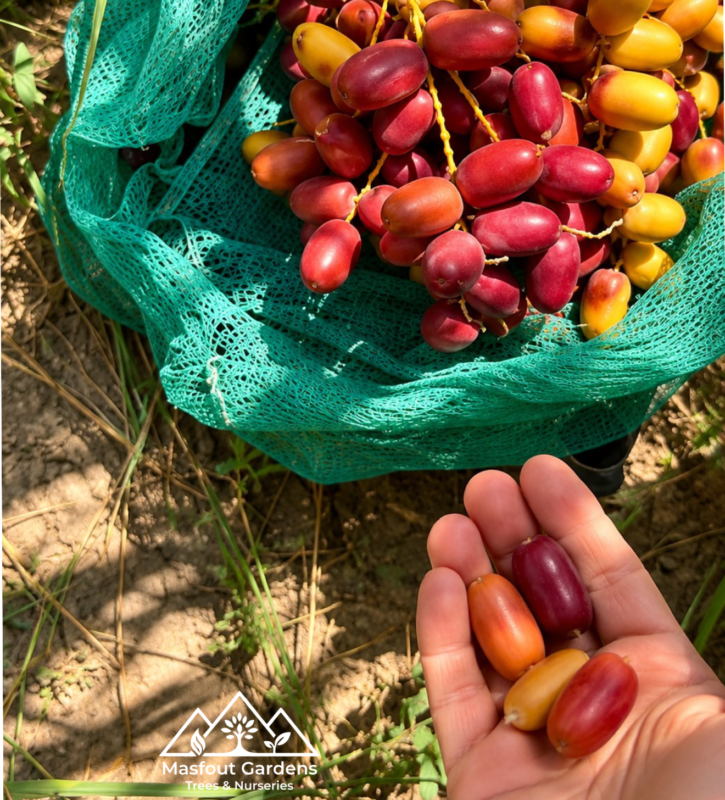
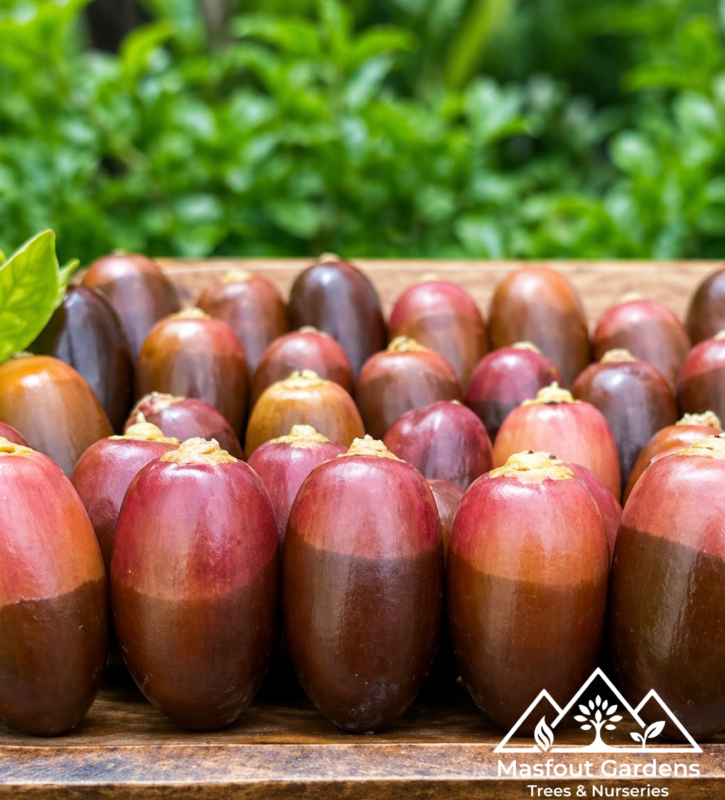
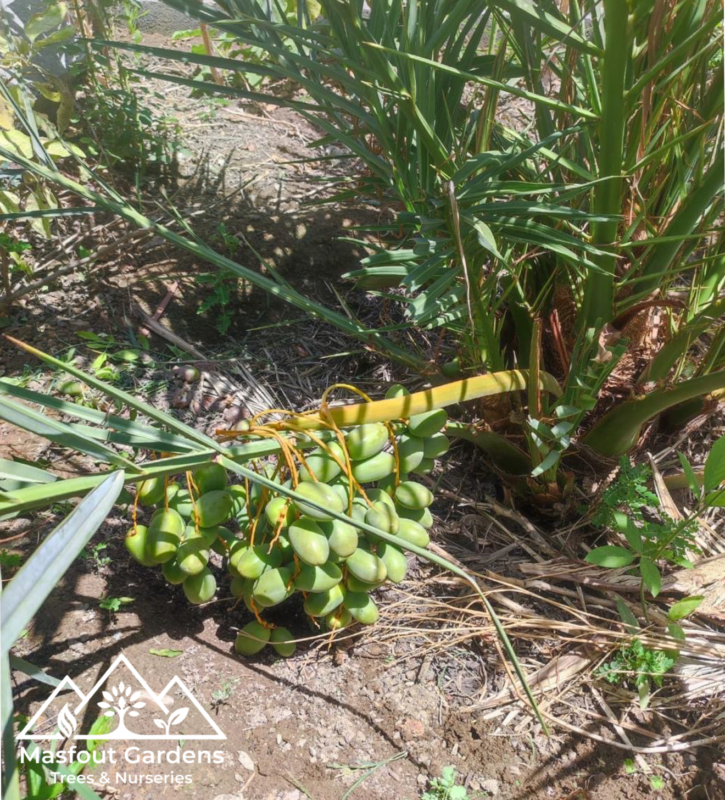
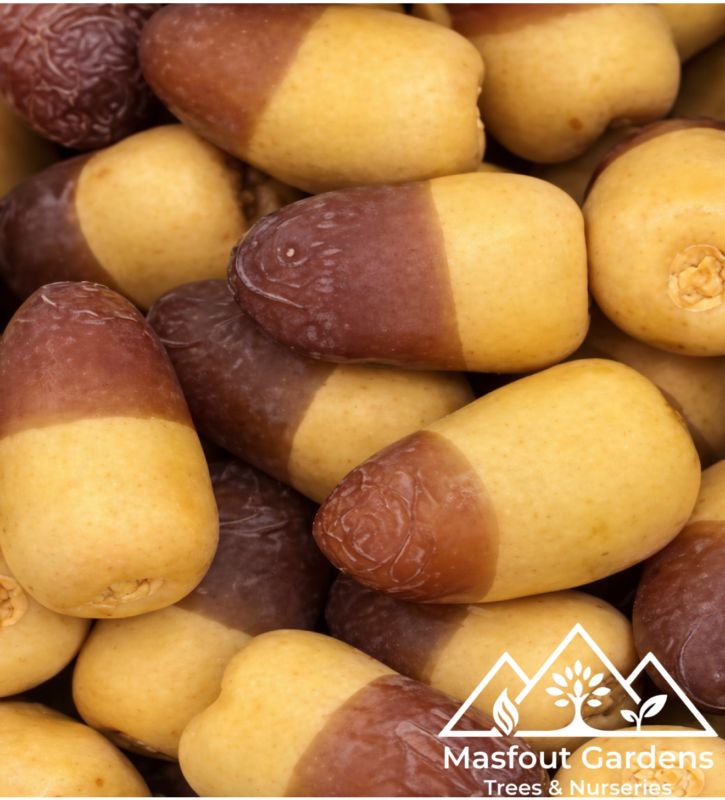
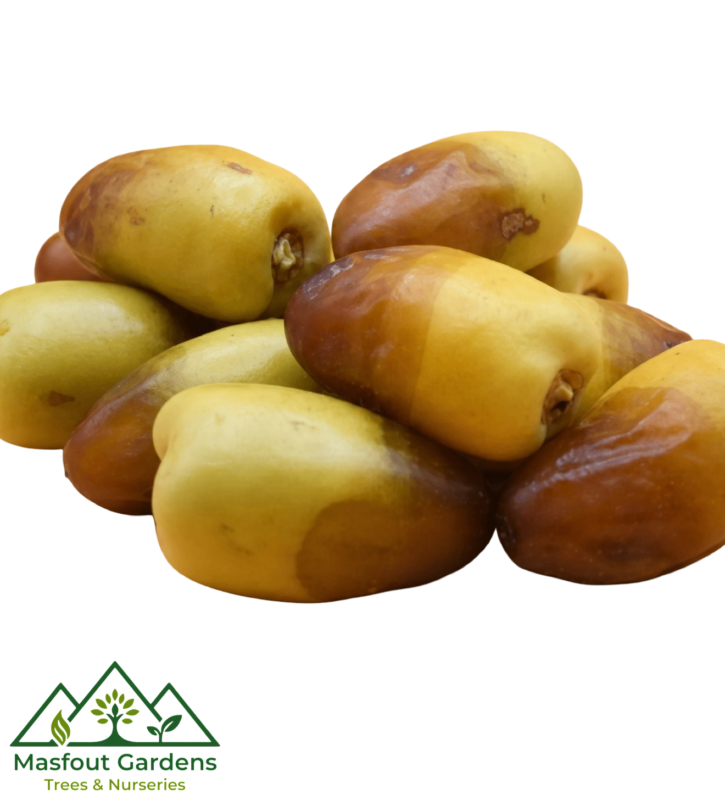
Zamli dates pass through several stages as they develop, beginning with the Khalal or Bisr stage, when the fruits are firmer. Their characteristics then gradually change as they ripen until they reach the Rutab stage.
Understanding these stages helps monitor the and determine the appropriate harvesting time based on the desired level of ripeness.
3. How Can You Tell When Zamli Rutab Is Ready for Harvest?
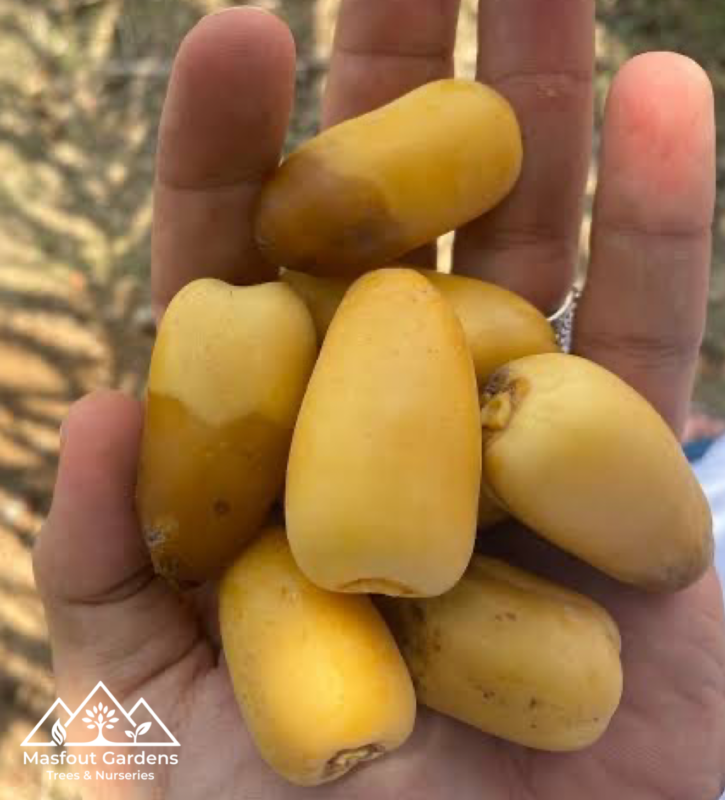
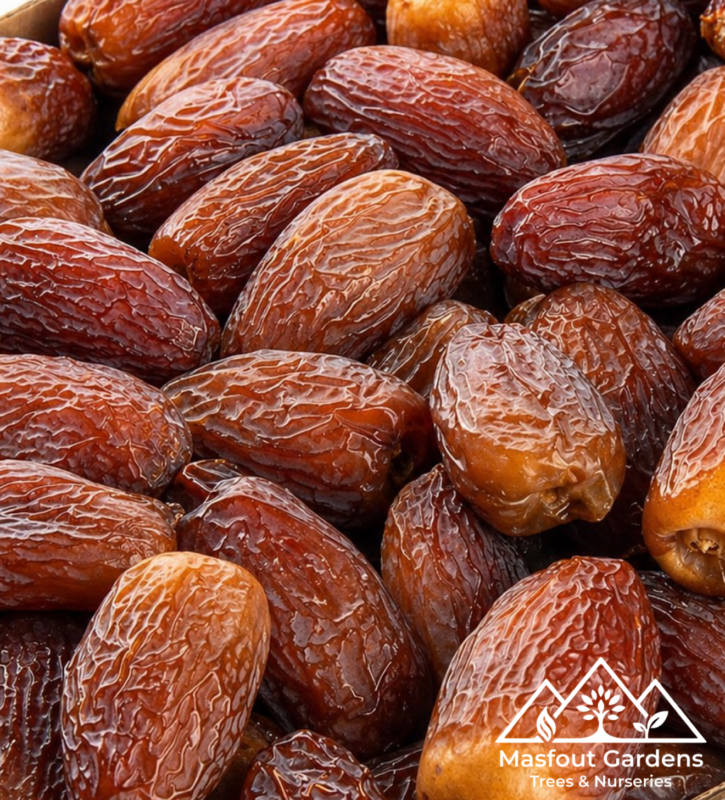
Rutab ripeness can be identified by observing changes in the fruit's color, softness, and texture. It is advisable to inspect several fruits on the same bunch to assess how fully they have ripened, as not all fruits may mature at the same time.
This monitoring helps ensure that the fruits are harvested at the appropriate stage, avoiding both premature and delayed harvesting.
4. What Factors Affect the Zamli Rutab Harvesting Time?
Several factors can influence the timing of the Zamli rutab harvest season in the UAE, including:
Temperatures During the Fruit Development Stages
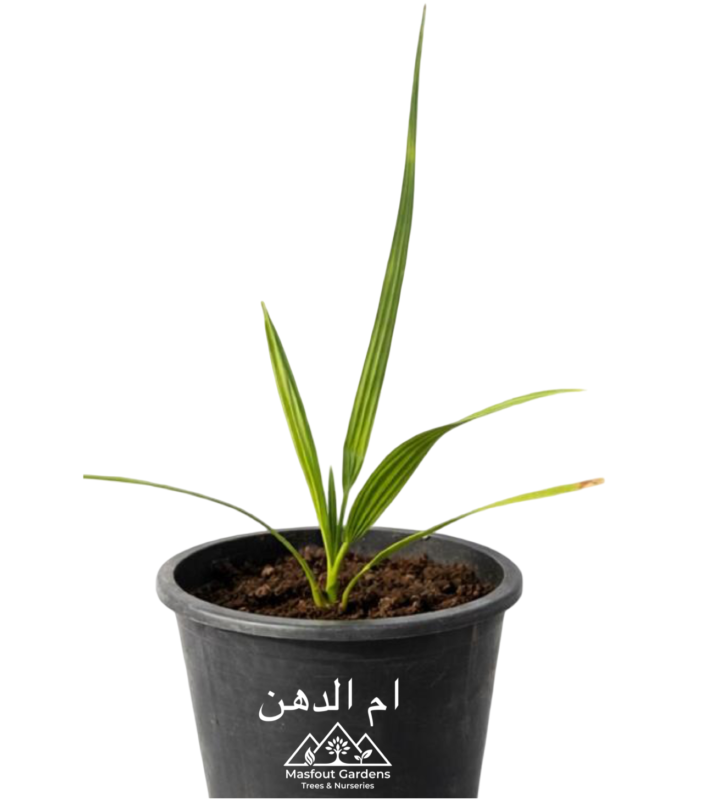
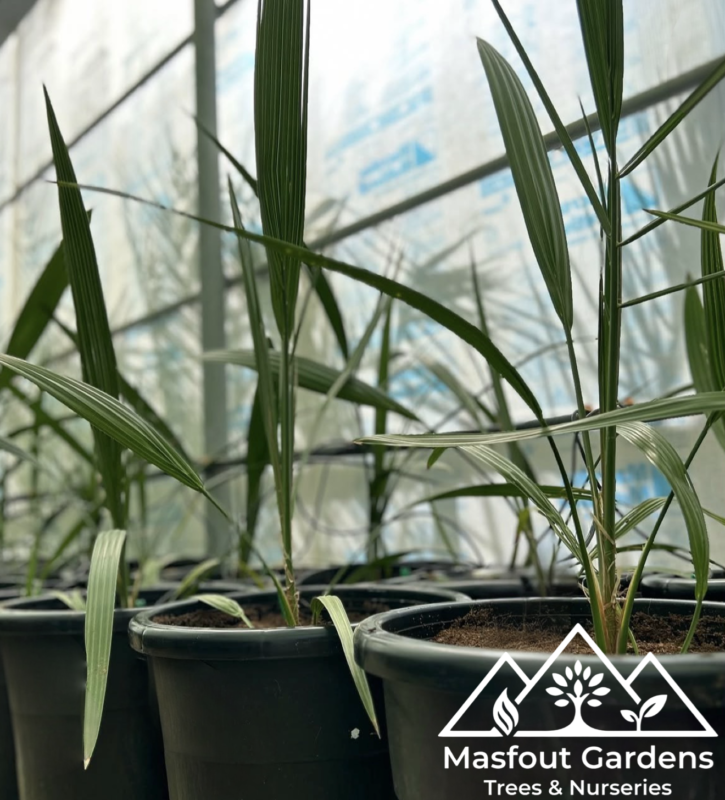
The Palm Tree's Age and Health Condition
Regular Irrigation and Water Availability
Soil Type and Salinity Level
Nutrient Supply and Agricultural Care
Weather Conditions During the Ripening Period
These factors affect the rate of fruit development and the time it takes to reach the Rutab stage.
5. How Should Zamli Rutab Be Harvested and Stored?
Zamli rutab should be collected carefully to avoid bruising or damaging the fruits. Suitable tools and safe harvesting practices are important, particularly when handling bunches positioned high on the palm.
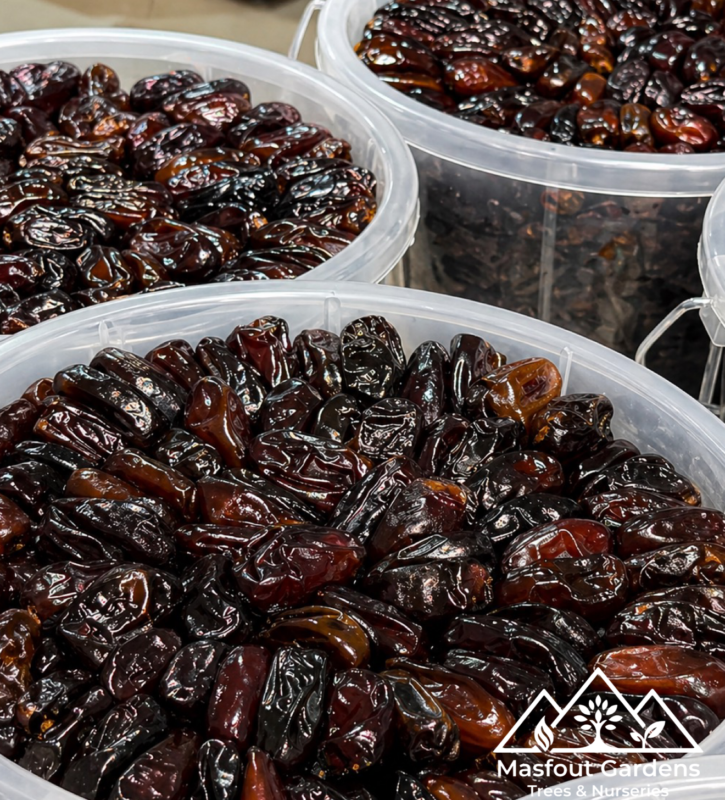
After harvesting, the fruits should be sorted to remove damaged or unsuitable pieces. Place the rutab in clean, suitable containers and store it under appropriate refrigeration conditions to help preserve its quality and slow deterioration.
Conclusion
The is an important stage in date production, requiring continuous monitoring of fruit ripening and careful selection of the appropriate harvesting time. Paying attention to the condition of the palm tree and fruit bunches, along with proper post-harvest handling, helps maintain Rutab quality and make the most of the harvest.