Zamli Rutab Season in the UAE: 5 Facts About Ripening and Harvesting
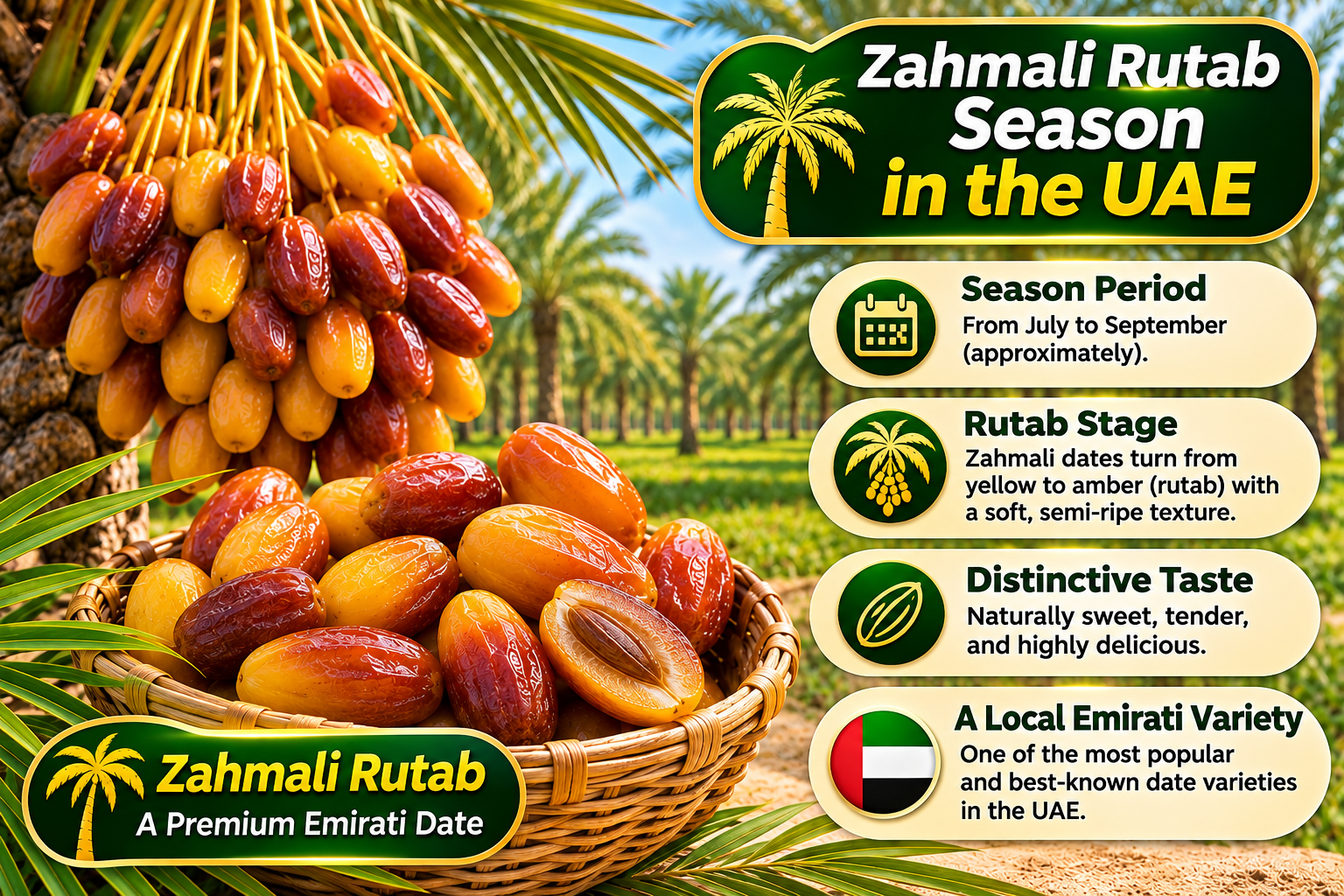
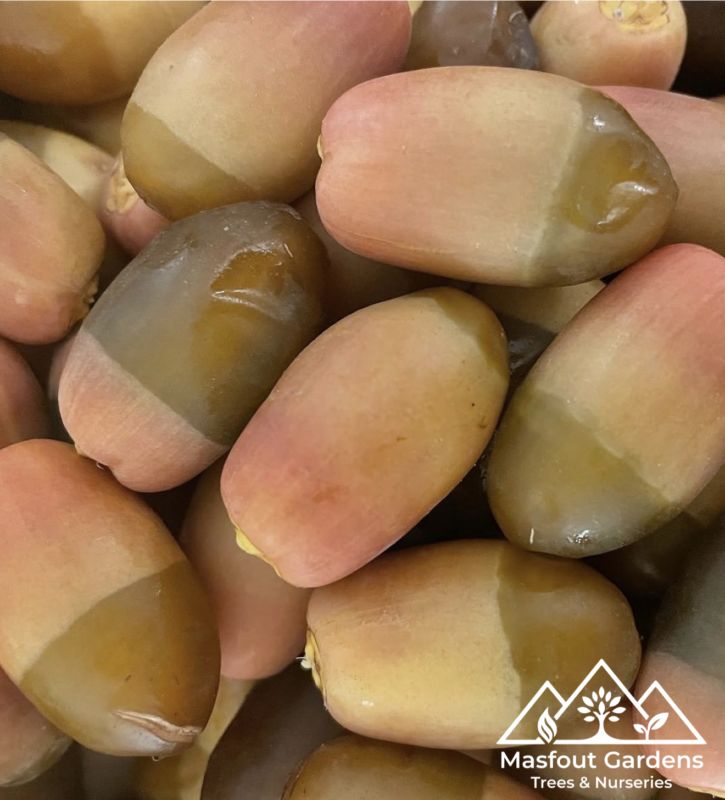
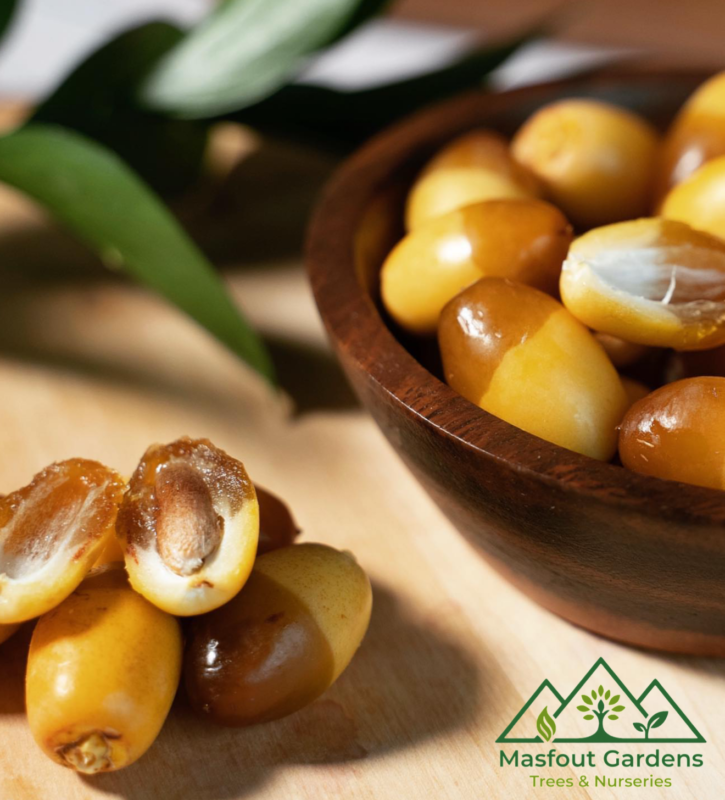
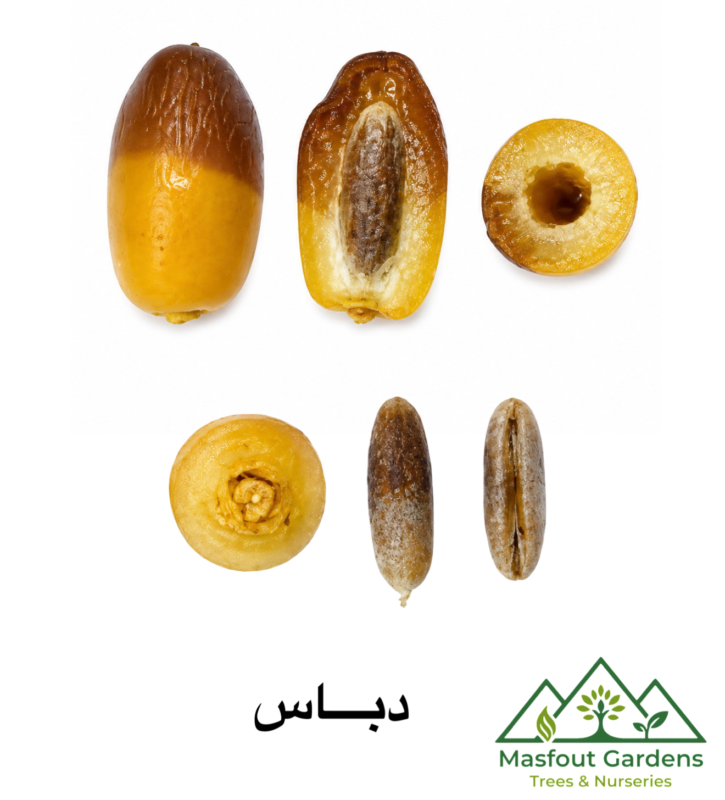
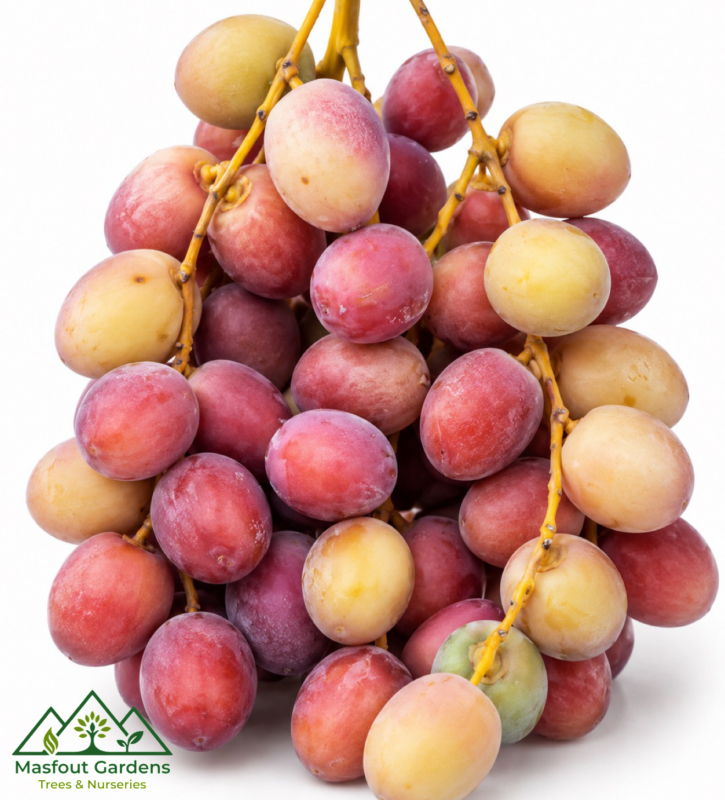
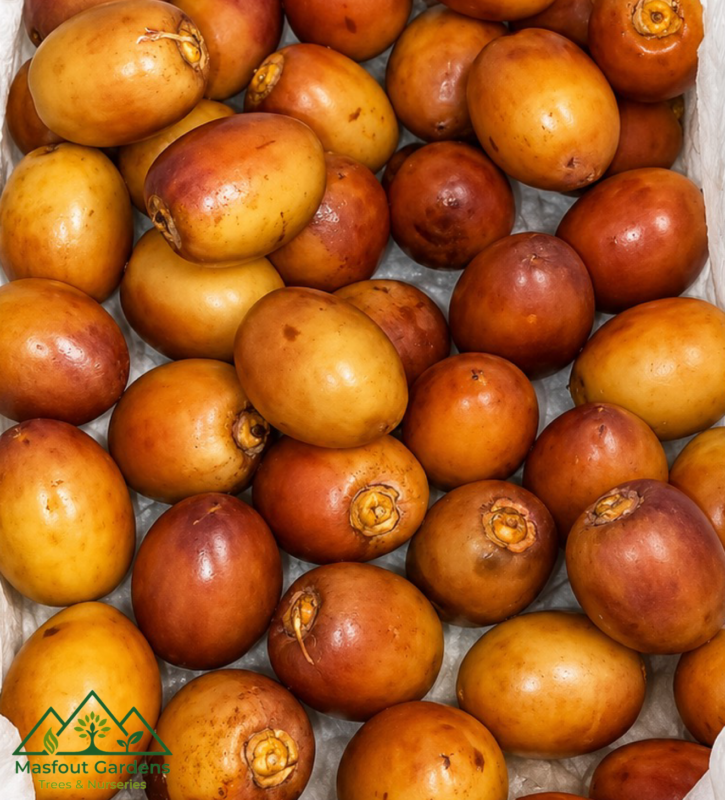
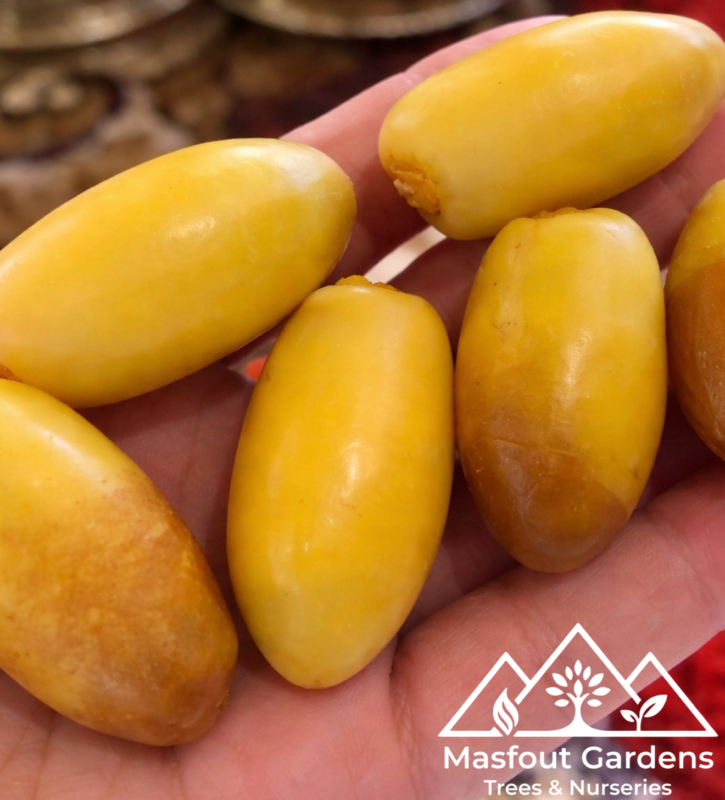
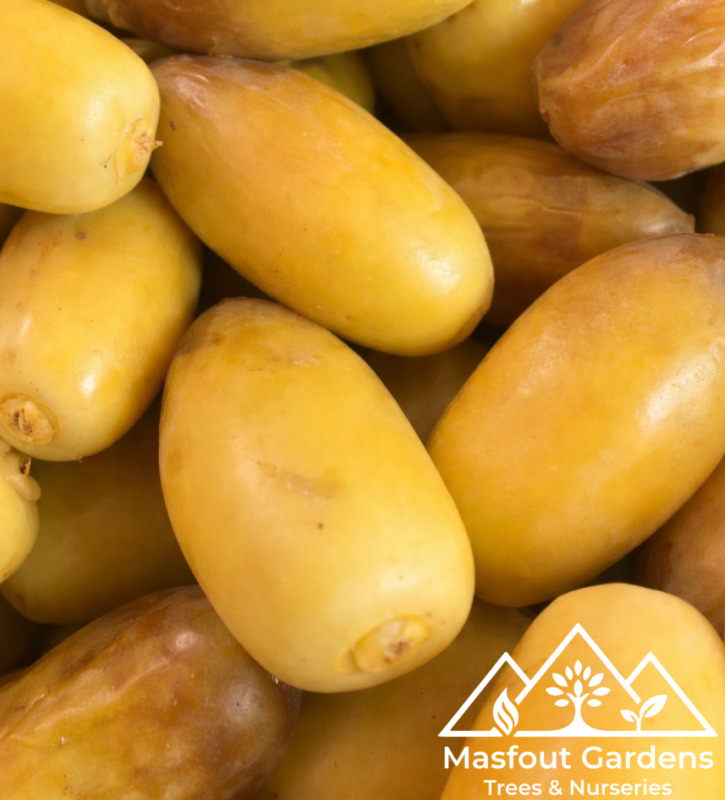
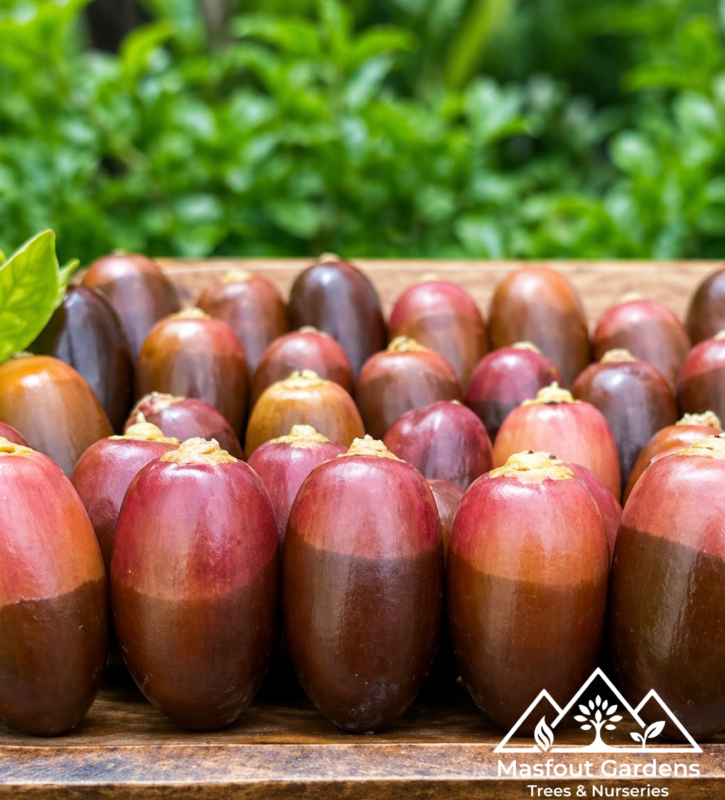
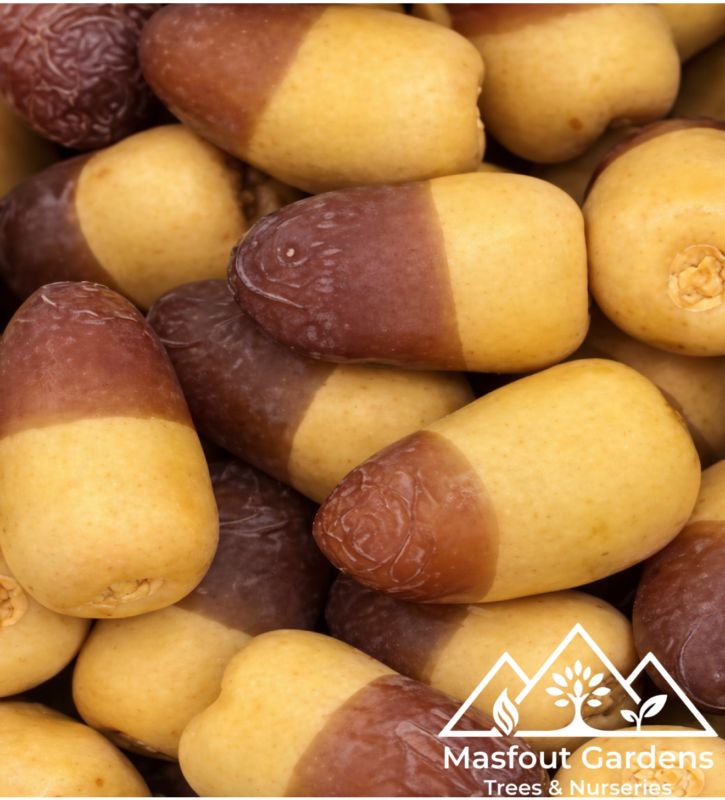
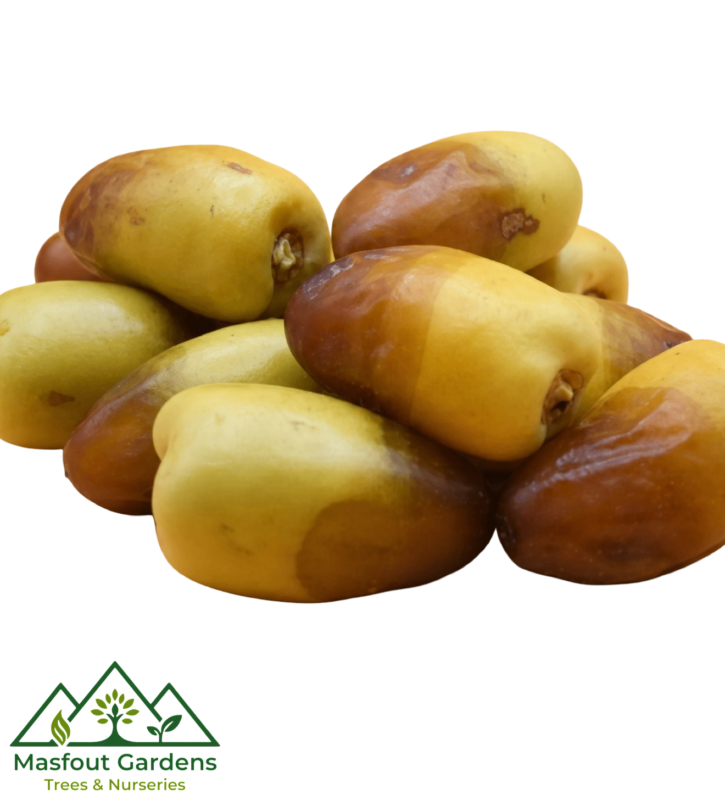
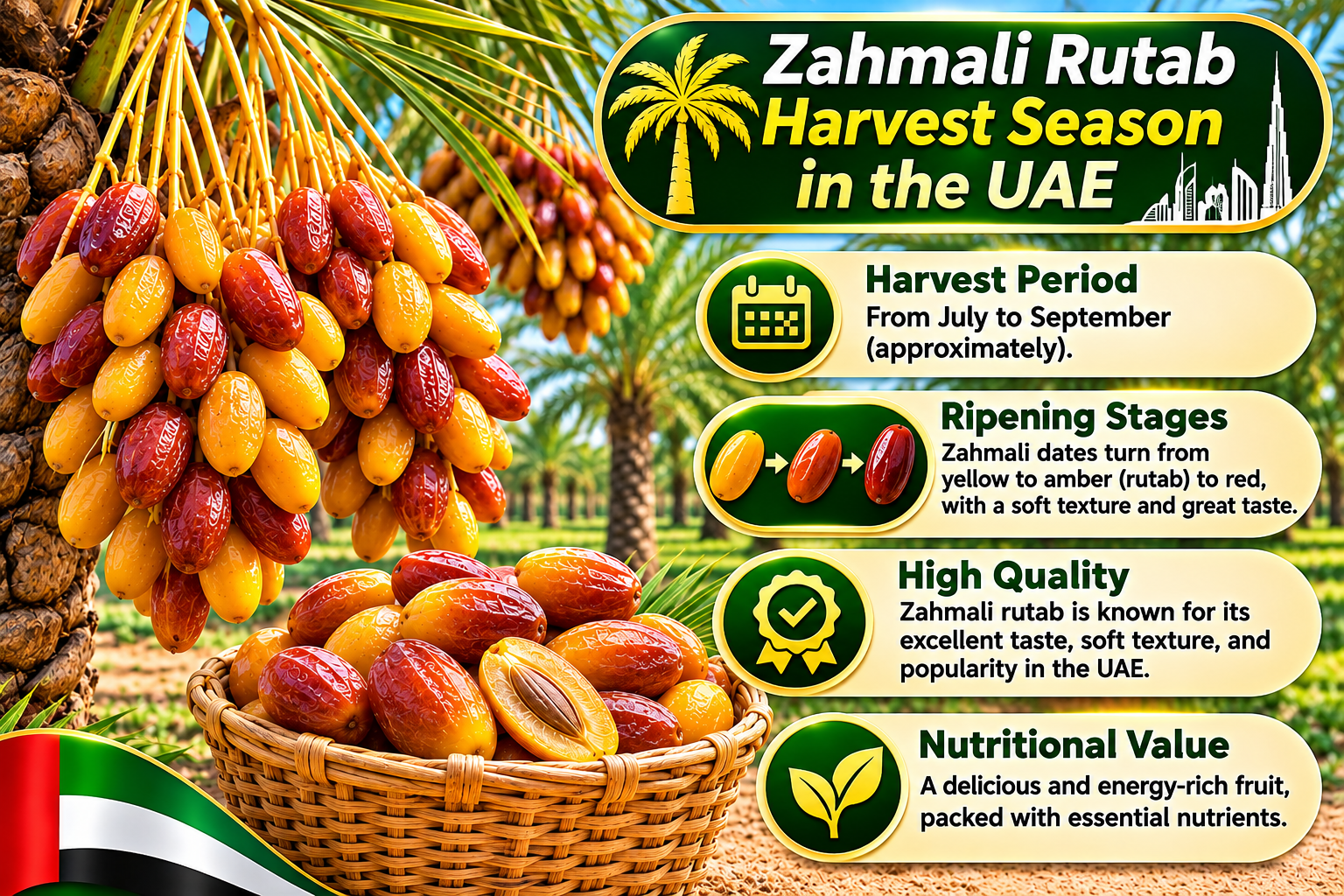
The Zamli rutab season in the UAE is associated with the ripening stages of Zamli date palm fruits. During this stage, the dates transition from the Bisr stage to Rutab, developing a softer texture and a distinctive taste. Date enthusiasts follow this season to learn when fresh rutab becomes available, understand its characteristics, and discover how to select and store it.
The ripening time of Zamli dates varies depending on the region, weather conditions, palm age, and cultivation practices. Therefore, monitoring fruit development helps determine the appropriate harvesting time.
1. When Does the Zamli Rutab Season Begin in the UAE?
The Zamli rutab season in the UAE is associated with fruit ripening during the summer. However, there is no fixed date that applies to all regions and palm trees. Ripening may begin earlier or later depending on temperatures, growing conditions, and the tree's health.
Regularly monitoring the fruits helps identify their transition from Bisr to Rutab and determine the appropriate harvesting time.
2. What Are the Stages of Zamli Date Ripening?
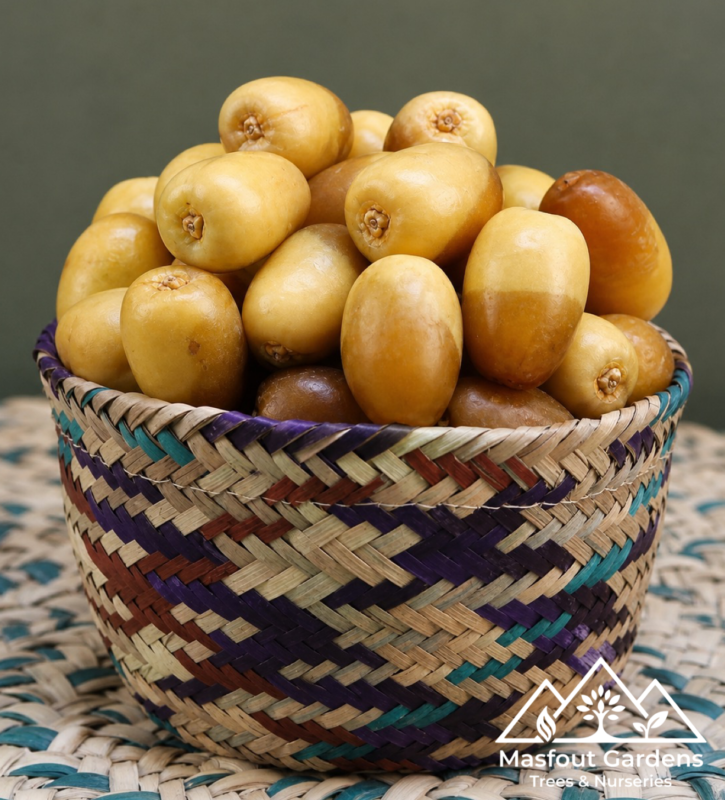
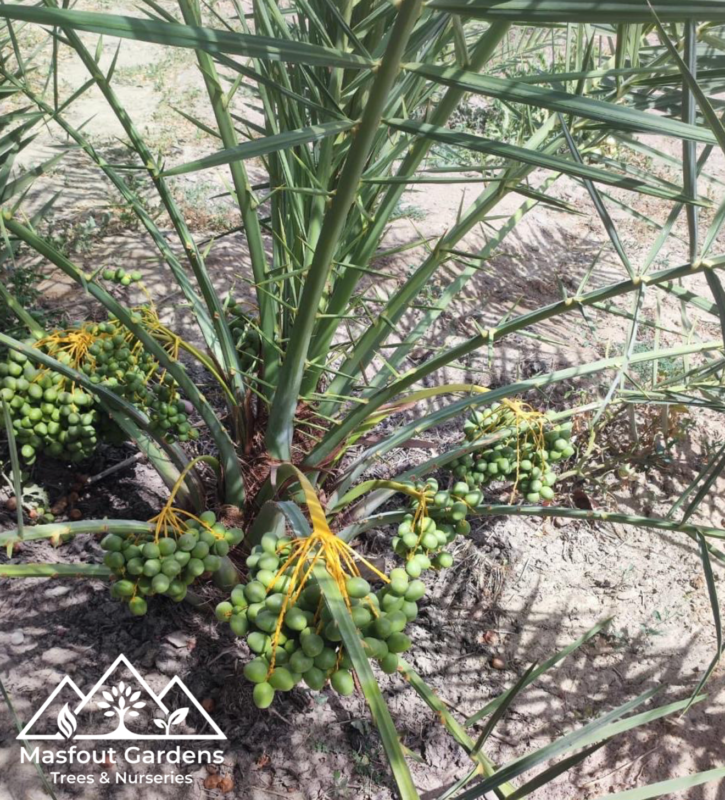
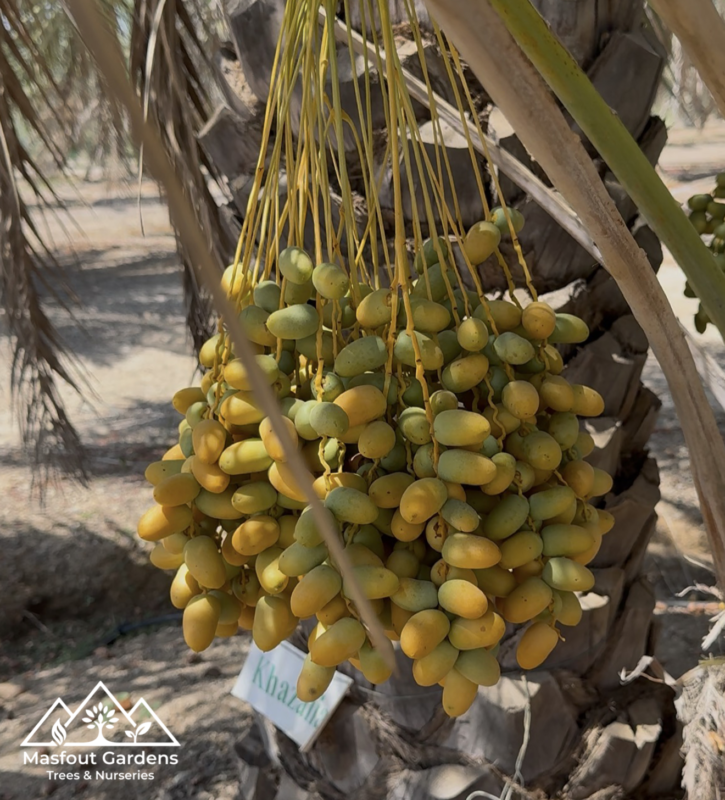
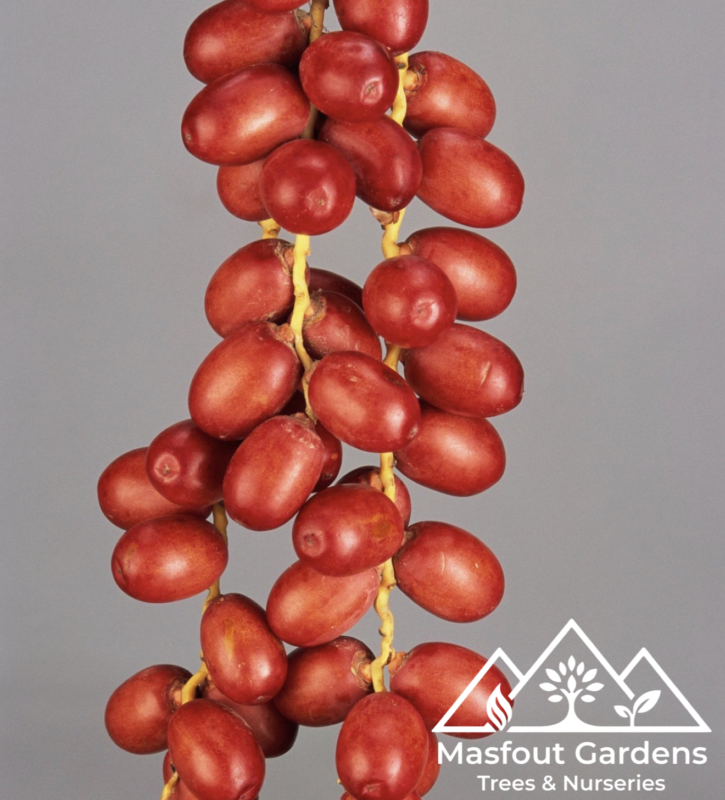
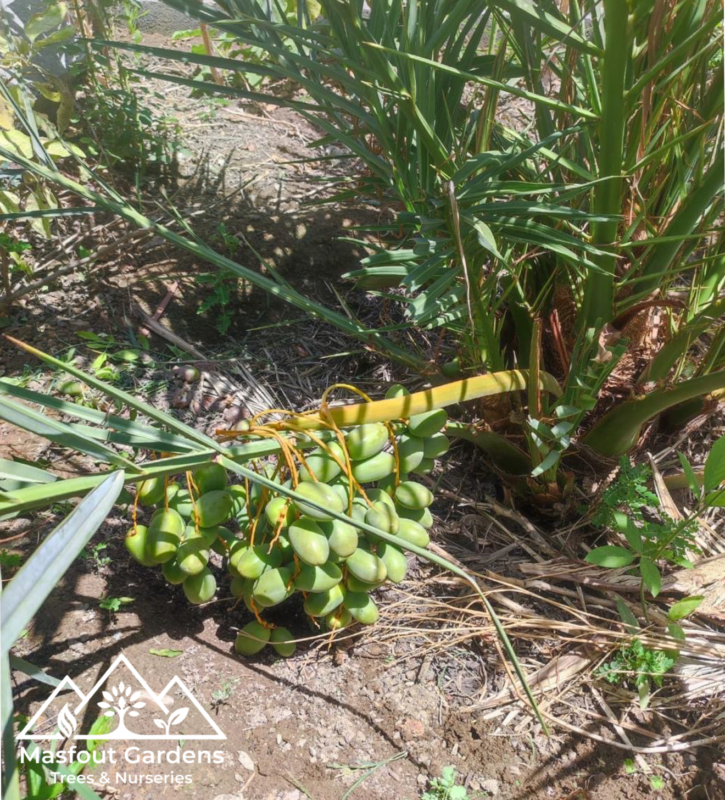
Zamli dates pass through several stages before reaching the Rutab stage. They begin in the Bisr or Khalal stage, when the fruits are relatively firm. Their characteristics then gradually change as they mature, becoming softer and more moist.
Understanding these stages helps growers monitor the Zamli rutab season in the UAE and identify the appropriate stage for harvesting according to the desired level of ripeness.
3. How Can You Tell When Zamli Rutab Is Ready for Harvest?
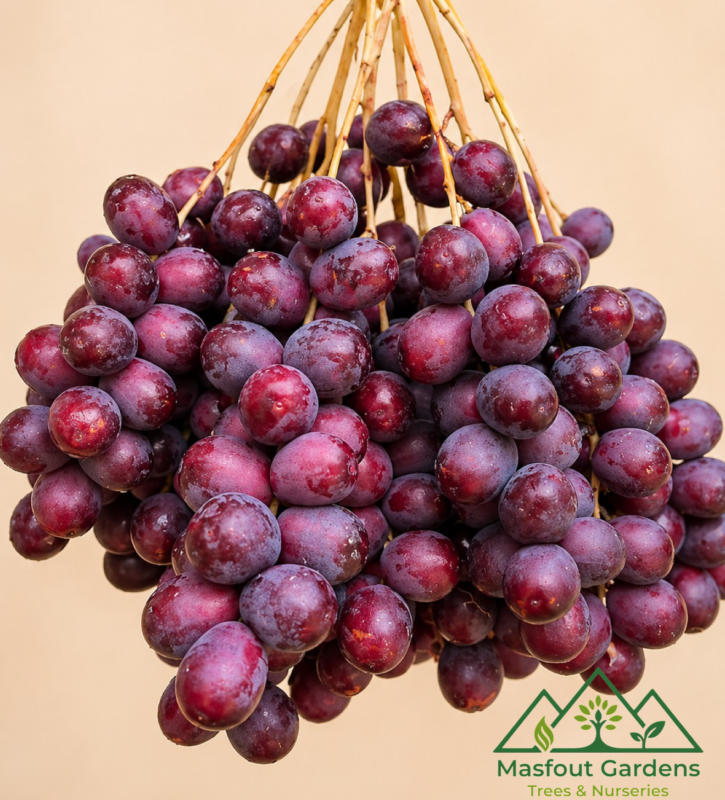
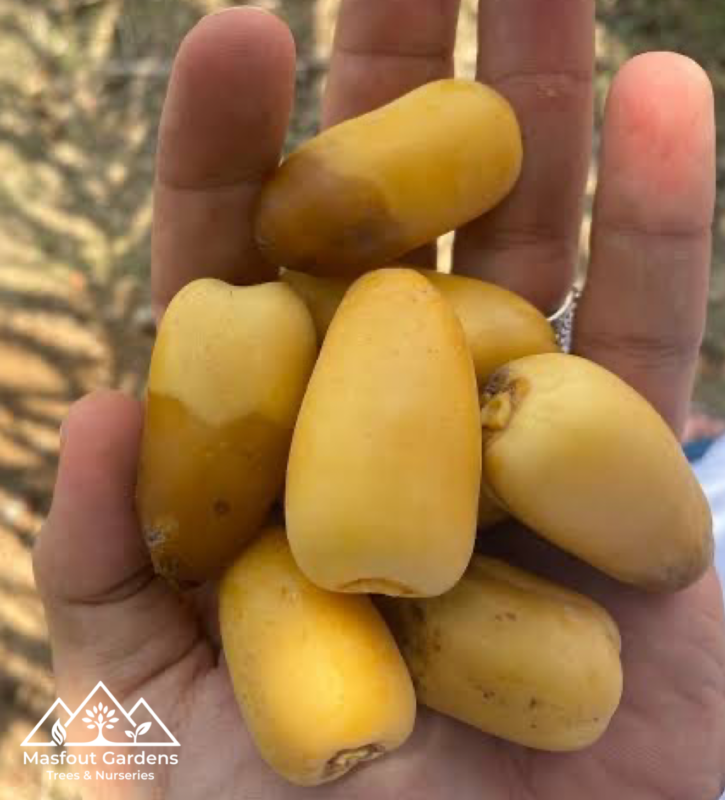
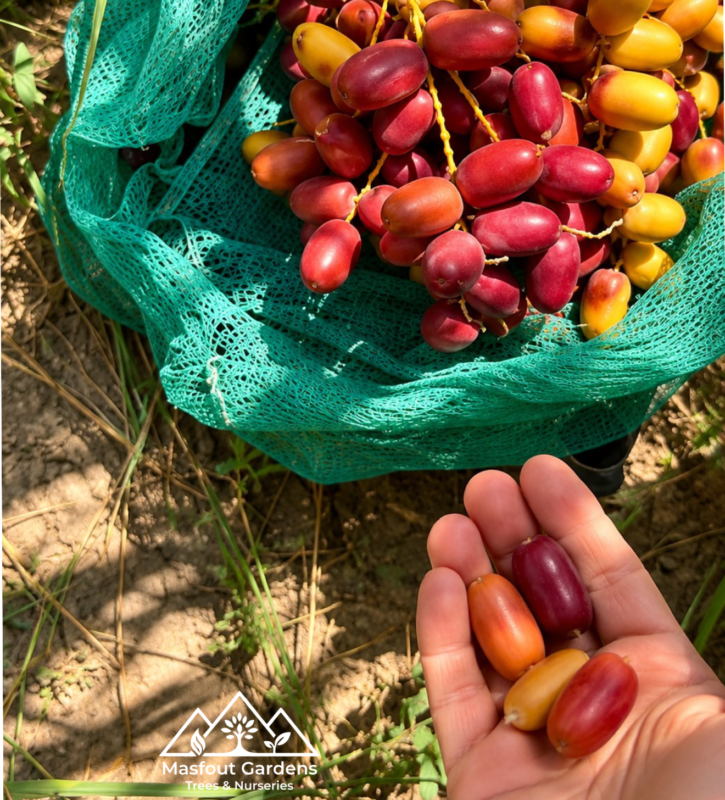
The ripeness of Zamli rutab can be assessed by observing changes in fruit color, texture, and softness. These indicators may vary depending on the variety and growing conditions.
It is advisable to inspect several fruits rather than relying on a single date to determine whether the bunch has reached a suitable stage for harvesting.
4. What Factors Affect the Zamli Rutab Season?
Several factors influence the Zamli rutab season in the UAE, including temperature, water availability, soil type, proper nutrition, and the overall health of the palm tree.
Regular irrigation, appropriate fertilization, and monitoring for pests and diseases help provide suitable conditions for fruit development and ripening.
5. How Should Zamli Rutab Be Selected and Stored?
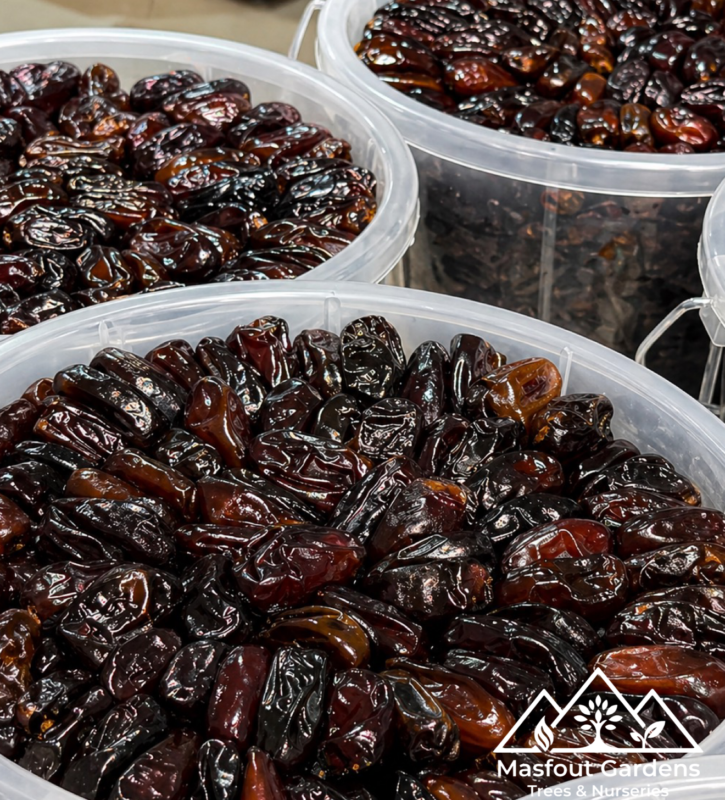
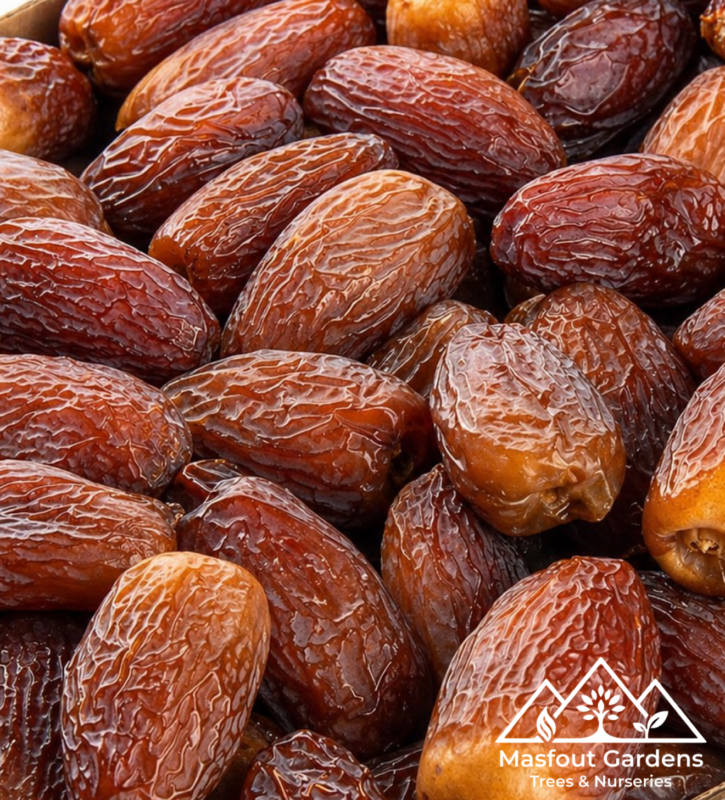
When selecting Zamli rutab, check that the fruits are in good condition, have a suitable level of ripeness, and show no signs of damage or spoilage. After harvesting, handle the fruits carefully and place them in clean, suitable containers.
Fresh rutab should be stored under appropriate refrigerated conditions to help maintain its quality and slow deterioration. Avoid leaving it exposed to high temperatures for extended periods.
Conclusion
The Zamli rutab season in the UAE is an important stage in date production, as the fruits reach a suitable level of ripeness for consumption. Understanding the ripening stages and monitoring the condition of the palm and its fruits help determine the harvesting time, select sound rutab, and store it properly.